Sparkling Wine we stock
In stock now, at today’s prices. Order online for pickup, delivery or shipping. FeaturedThank You Card6 Pack$4.70Add to cart
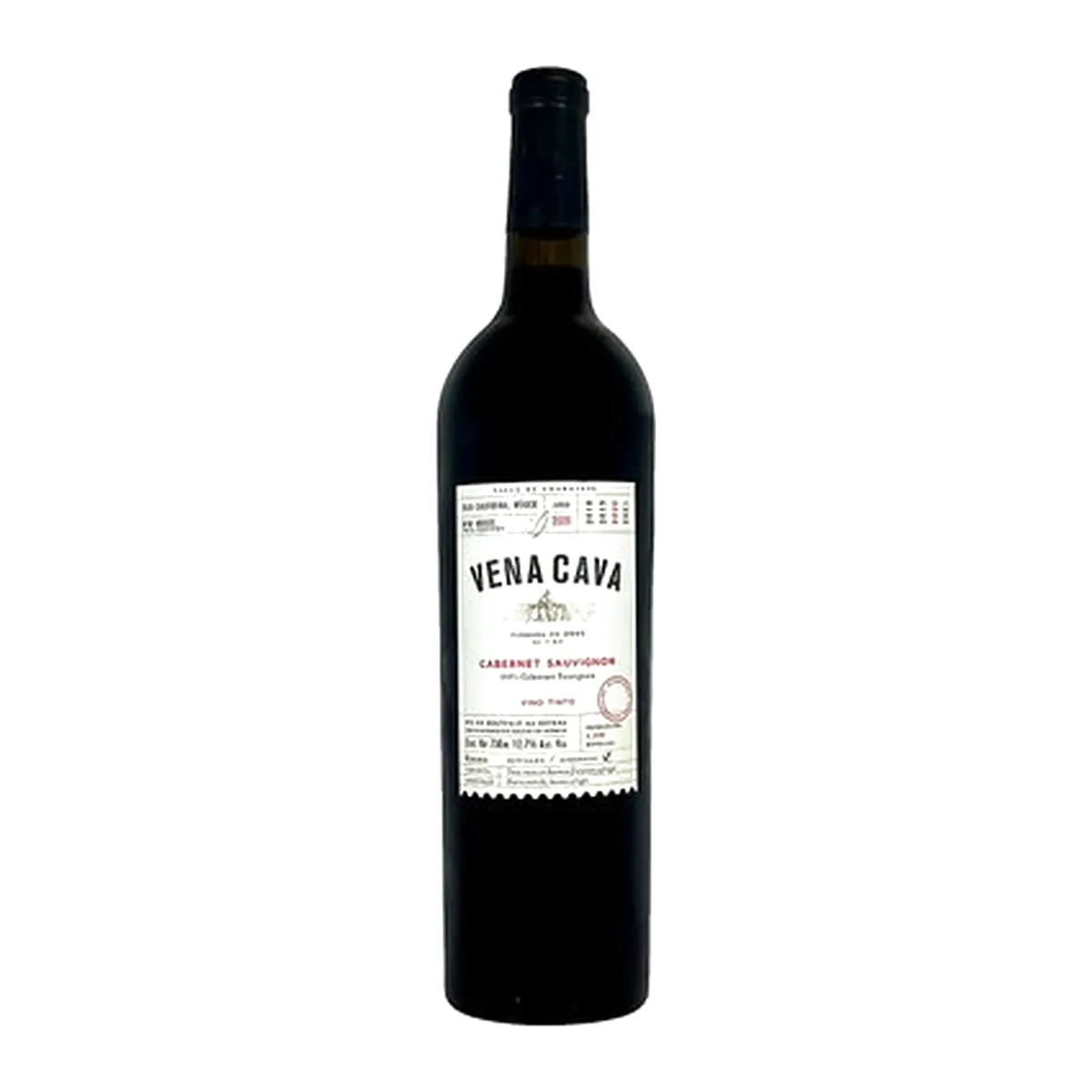 Vena Cava Cabernet750 ML$49.99Add to cart
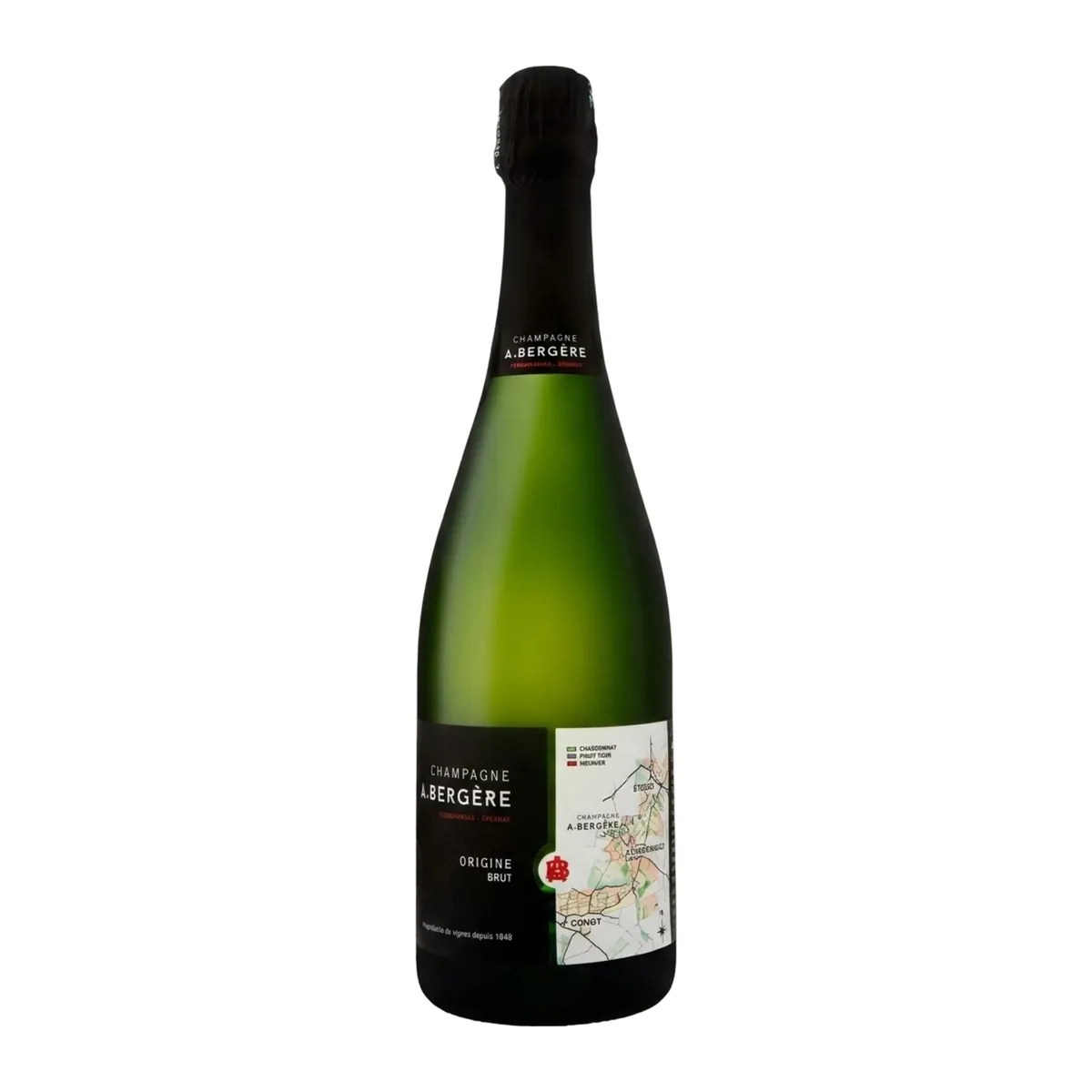 A.Bergere Champagne750 ML$64.99Add to cart
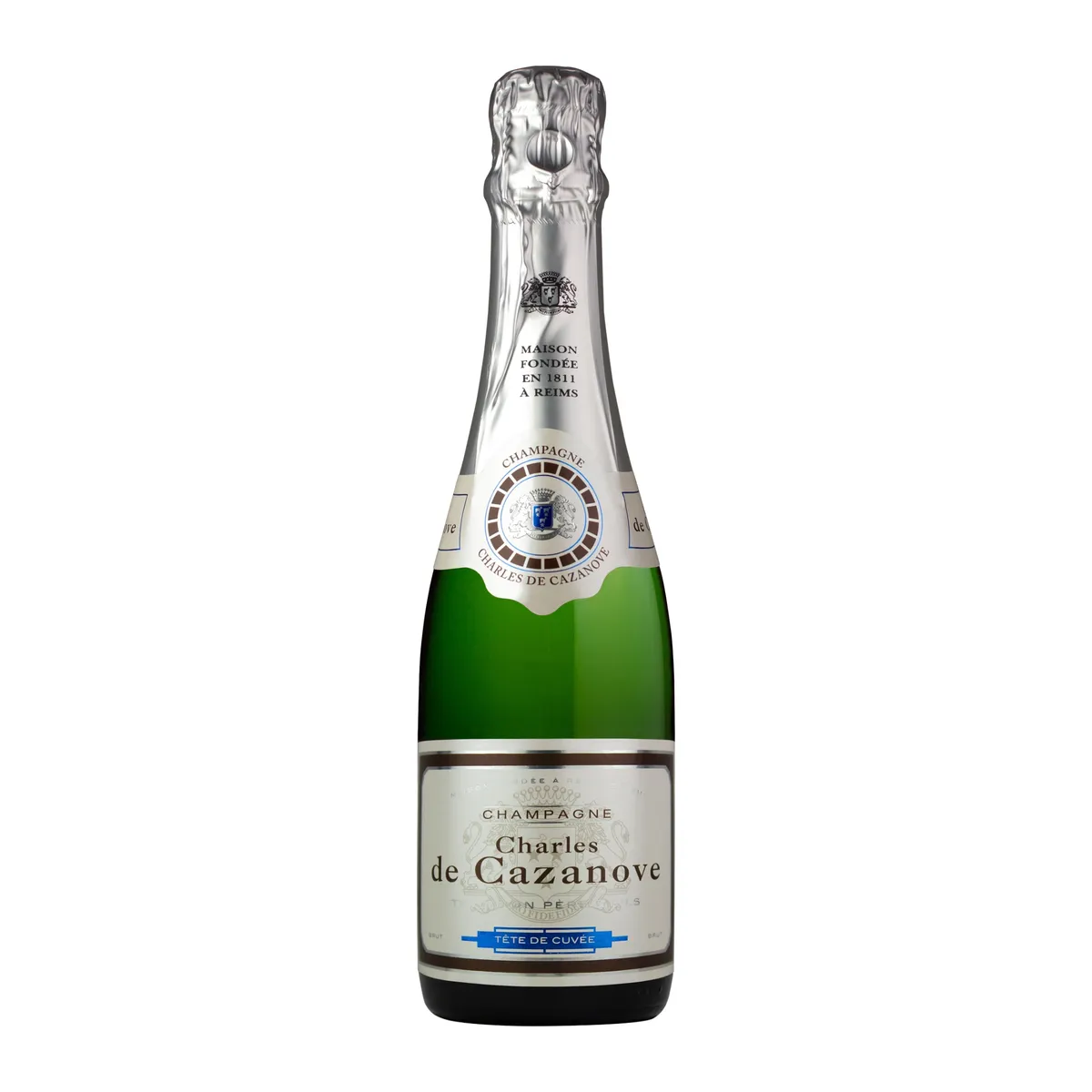 Charles De Cazanove Brut750 ML$42.99Add to cart
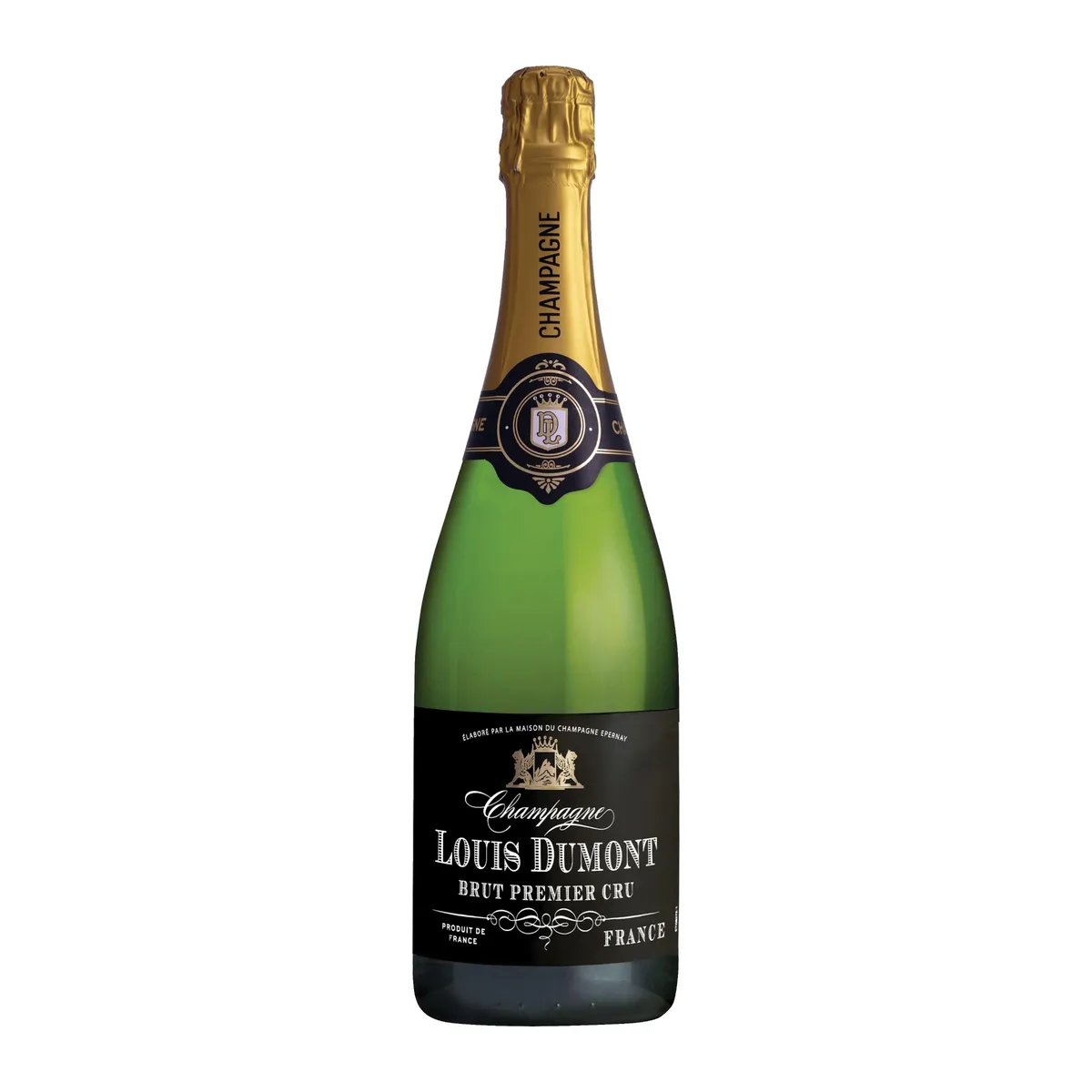 Louis Dumont Cru Brut750 ML$44.99Add to cart
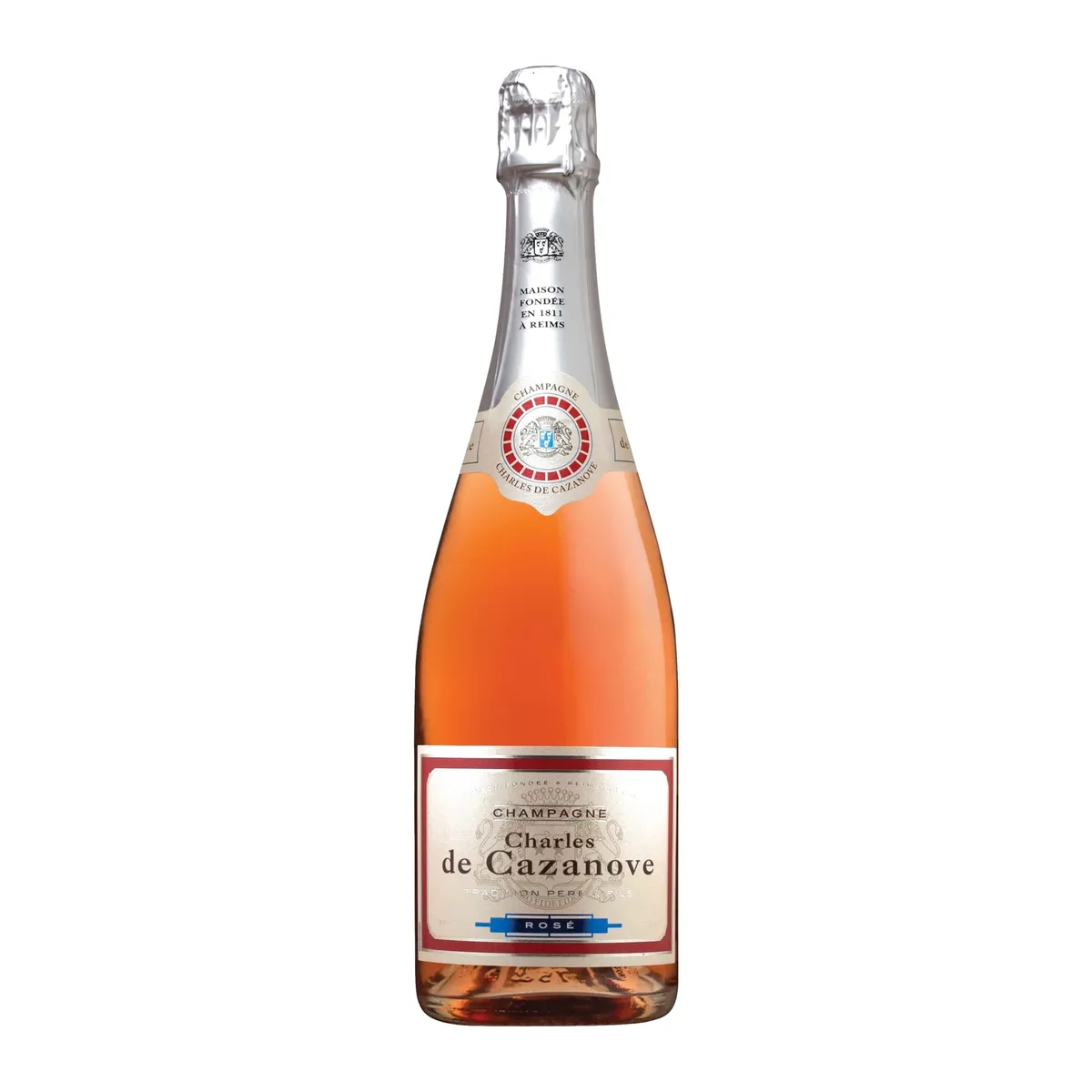 Charles De Cazanove Rose Brut750 ML$42.99Add to cart
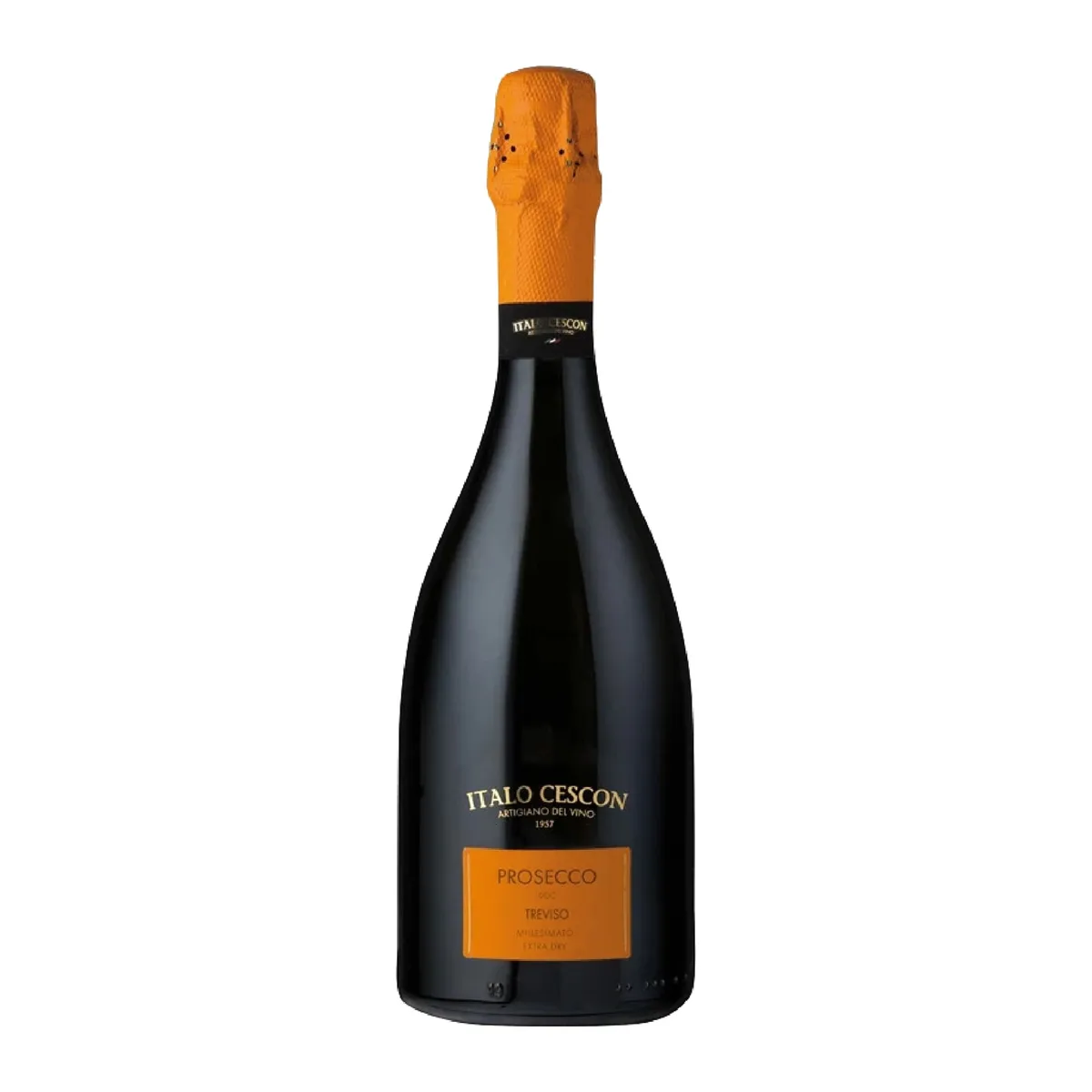 Italo Cescon Prosecco750 ML$19.99Add to cart
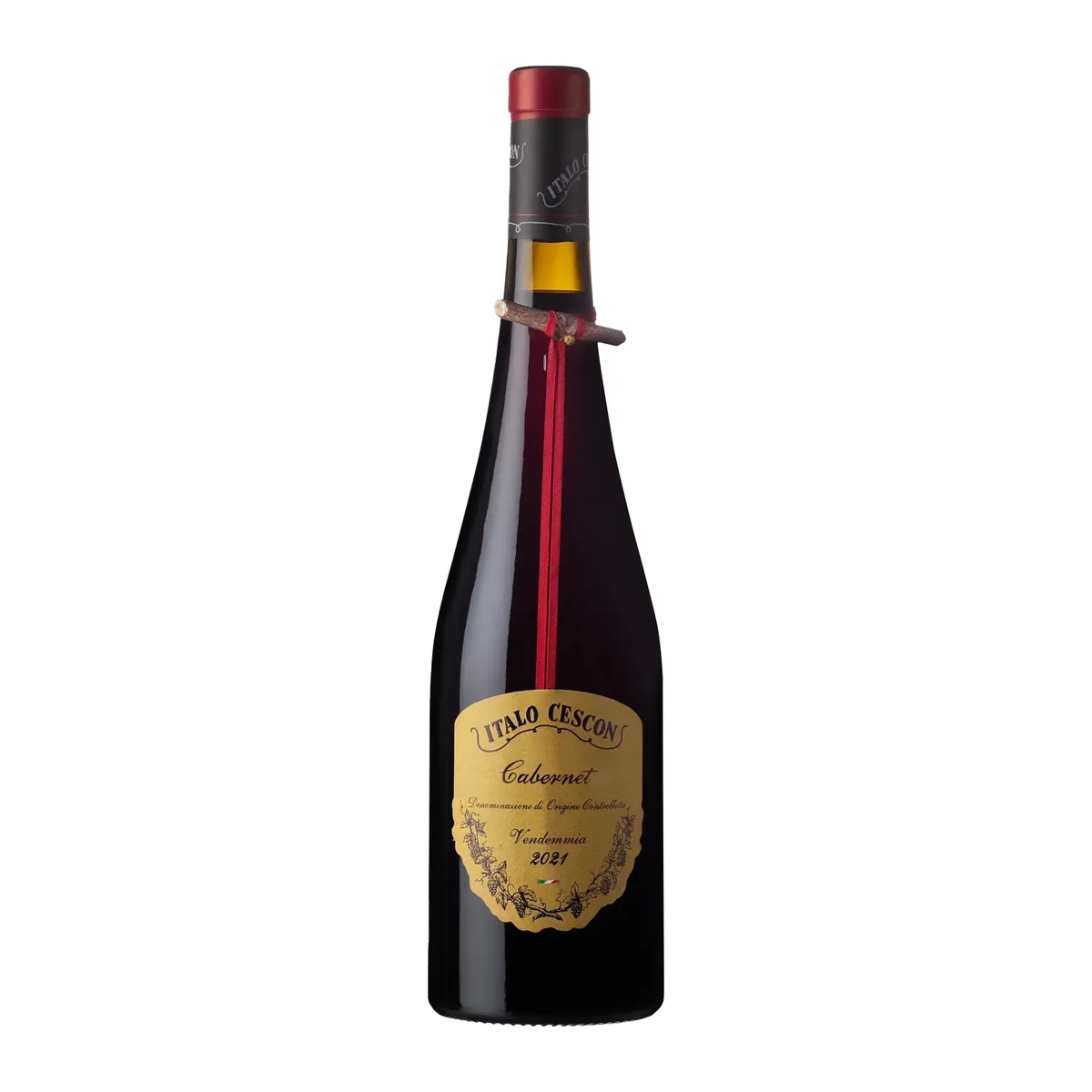 Italo Cescon Cabernet750 ML$19.99Add to cart
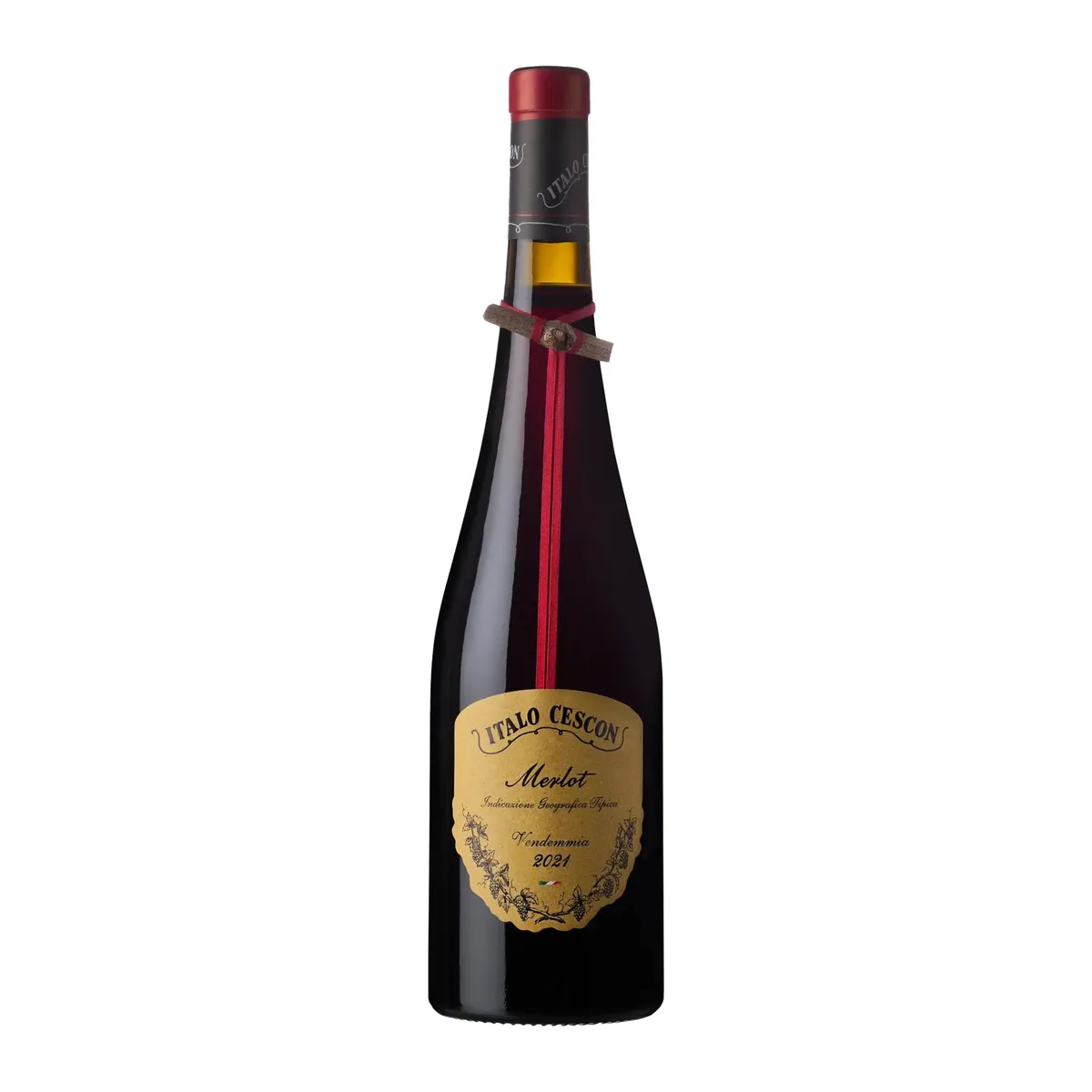 Italo Cescon Merlot750 ML$19.99Add to cart
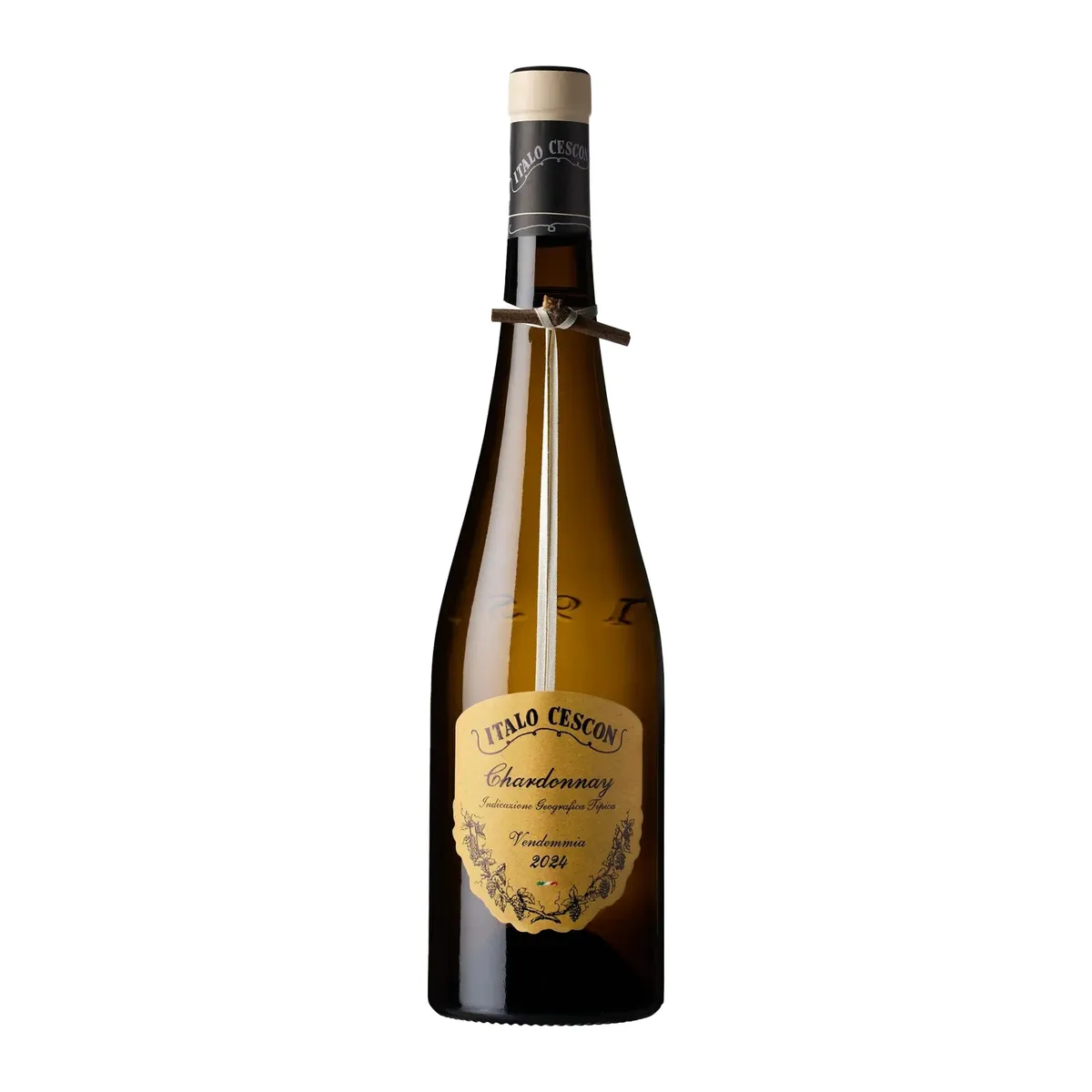 Italo Cescon Chardonnay750 ML$19.99Add to cart
Champagne is sparkling wine made in the Champagne region of France, and the label tells you most of what you need: the sweetness word, the style and whether the bottle is vintage. At The Wild Duck in Boston we explain how to read those clues below, so you can choose a bottle for the occasion and serve it well.
What makes champagne different from other sparkling wine?
Champagne is sparkling wine that comes from the Champagne region of northeastern France and follows that region's rules. The wine is made from grapes grown there, mostly chardonnay, pinot noir and pinot meunier, and the bubbles form in the bottle during a second fermentation. The wine then rests on its spent yeast, which gives champagne its bready, toasty character.
Other regions make sparkling wine by similar or different methods, but they cannot call it champagne. Spanish cava, Italian prosecco and American sparkling wine are separate wines with their own grapes and methods. That is why two bottles with similar bubbles can taste quite different.
If you are choosing within champagne, the useful differences are sweetness, grape mix, age and whether the wine is white or rosé. The next sections take those in turn.
How do I read a champagne label?
The most useful word on the label is the sweetness level. Brut is dry and is the most common style. Extra brut and brut nature are drier still, with little or no added sugar. Extra dry sounds dry but is slightly sweeter than brut. Sec, demi-sec and doux are progressively sweeter, and demi-sec is often chosen to go with dessert.
The next thing to look for is whether the label shows a vintage year. A bottle with a year is made from the grapes of that single harvest. A bottle without a year, called non-vintage, blends several harvests so the house can keep a consistent taste.
You may also see the words blanc de blancs or blanc de noirs, which describe the grapes. We explain both in the next section. If a label is unclear, ask us in the shop and we will explain it.
Which champagne style should I choose?
For a first bottle or a general celebration, a non-vintage brut is the usual starting point. It is dry, balanced and made to be enjoyed without much thought about food. Vintage champagne is made only in years the producer considers strong, and it spends longer aging on its yeast, so it tends to taste deeper and more complex.
Blanc de blancs is made only from chardonnay. It is typically lighter, crisper and more citrus-driven. Blanc de noirs is made only from dark-skinned grapes, pinot noir and pinot meunier, and tends to taste fuller and more fruity, with more body.
Rosé champagne gets its colour from a little red wine added to the blend or from brief skin contact. It usually tastes of red berries and works well with food. Choose by the taste you want, not by the label alone: crisp and light points to blanc de blancs, fuller points to blanc de noirs or rosé.
How cold should champagne be, and what glass should I use?
Serve champagne well chilled, roughly 43 to 47 degrees Fahrenheit. That is colder than a red wine and a little warmer than a bottle straight from the back of a refrigerator. A few hours in the refrigerator, or about 30 minutes in a bucket of ice and cold water, will bring a room-temperature bottle to the right point.
A tulip-shaped white wine glass shows the aroma of champagne better than a narrow flute, which keeps the bubbles lively but closes in the scent. Either works. Use a clean glass, because soap residue flattens the bubbles.
To open the bottle, keep a hand over the cork, turn the bottle rather than the cork, and let the pressure out slowly with a soft sigh instead of a pop. Pour a small amount first, let the foam settle, then fill the glass about two thirds.
What food goes with champagne?
A dry champagne goes with salty and fried foods, which is the most dependable pairing. Potato chips, salted nuts, fried chicken and oysters all work, because the acidity and bubbles clean the palate between bites. You can browse our snacks if you need something to serve alongside the glass.
Blanc de blancs suits shellfish, white fish and soft fresh cheeses. Blanc de noirs and rosé champagne have enough body for roast chicken, ham and charcuterie. A demi-sec style pairs with fruit desserts and light cake.
Champagne also works with chocolate in the right combination. We cover that in our guide to chocolate and drink pairings, which explains why a dry sparkling wine with dark chocolate can be too sharp and what to try instead.
What can I buy instead of champagne?
If you want the same occasion feel with a different taste, other sparkling wines are the place to look. Spanish cava is made by the same bottle-fermentation method as champagne and is dry and citrus-led. We explain it in our guide to cava. Italian prosecco is lighter, fruitier and made by a different method, which gives it softer bubbles.
Our sparkling wine page shows what is in the shop now, so that is the best place to see which bottles are available before you visit or order.
Sparkling wine also works in cocktails. A mimosa needs only a dry sparkling wine and fresh juice, and a French 75 combines sparkling wine with gin, lemon and sugar. You can browse our mixers for the other ingredients.
Can I give champagne as a gift?
Yes, a bottle of sparkling wine is a common gift for a host, a milestone or a thank-you. A non-vintage brut is the safe choice because most people enjoy a dry, balanced style. If you know the person likes sweeter wines, a demi-sec style is the better fit. For a special occasion, a vintage bottle or a rosé shows more thought.
We can help you pair the bottle with something to open it with. A Thank You Card is among the items we carry, and our gift guide covers wine, spirits and beer gifts in more detail. If you would rather let the recipient choose, gift cards are available.
Gifts of alcohol are for adults aged 21 and over, so plan for someone to be present to receive a delivery.
How can I buy champagne from The Wild Duck in Boston?
Visit us at 86 Massachusetts Ave, Boston, MA 02117. The shop is open Monday to Saturday from 10:00 AM to 11:00 PM and on Sunday from 11:00 AM to 11:00 PM. We have more than 4,500 products in stock from more than 700 brands, and our shop is rated 4.6 out of 5 from more than 60 Google reviews. Our sparkling wine page shows what is in now, and you can ask us in the shop about champagne.
If you would rather not come in, in-store pickup runs Monday to Saturday from 9:00 AM to 11:00 PM and on Sunday from 10:00 AM to 11:00 PM. We also offer delivery and shipping. Delivery hours are Monday to Saturday from 9:30 AM to 10:30 PM and Sunday from 10:30 AM to 10:30 PM. Our wine delivery in Boston page explains how it works.
We also serve Cambridge and Brookline, and our Boston delivery page covers the rest. Check our delivery areas page to confirm your address before you order.
Common questions
Is champagne the same as sparkling wine?
No. Champagne is a sparkling wine, but only sparkling wine from the Champagne region of France can use the name. Cava, prosecco and American sparkling wine are separate wines.
What does brut mean on a champagne label?
Brut means dry. It is the most common style of champagne. Extra brut is drier still, and extra dry, sec and demi-sec are progressively sweeter.
How cold should I serve champagne?
Serve it well chilled, about 43 to 47 degrees Fahrenheit. A few hours in the refrigerator or about 30 minutes in a bucket of ice and cold water is enough.
What is the difference between blanc de blancs and blanc de noirs?
Blanc de blancs is made only from chardonnay and tends to taste lighter and crisper. Blanc de noirs is made only from pinot noir and pinot meunier and tends to taste fuller and more fruity.
Does The Wild Duck offer delivery and pickup?
Yes. We offer in-store pickup, delivery and shipping. Pickup runs Monday to Saturday from 9:00 AM to 11:00 PM and Sunday from 10:00 AM to 11:00 PM. Delivery runs Monday to Saturday from 9:30 AM to 10:30 PM and Sunday from 10:30 AM to 10:30 PM.