
Liqueur we stock
In stock now, at today’s prices. Order online for pickup, delivery or shipping.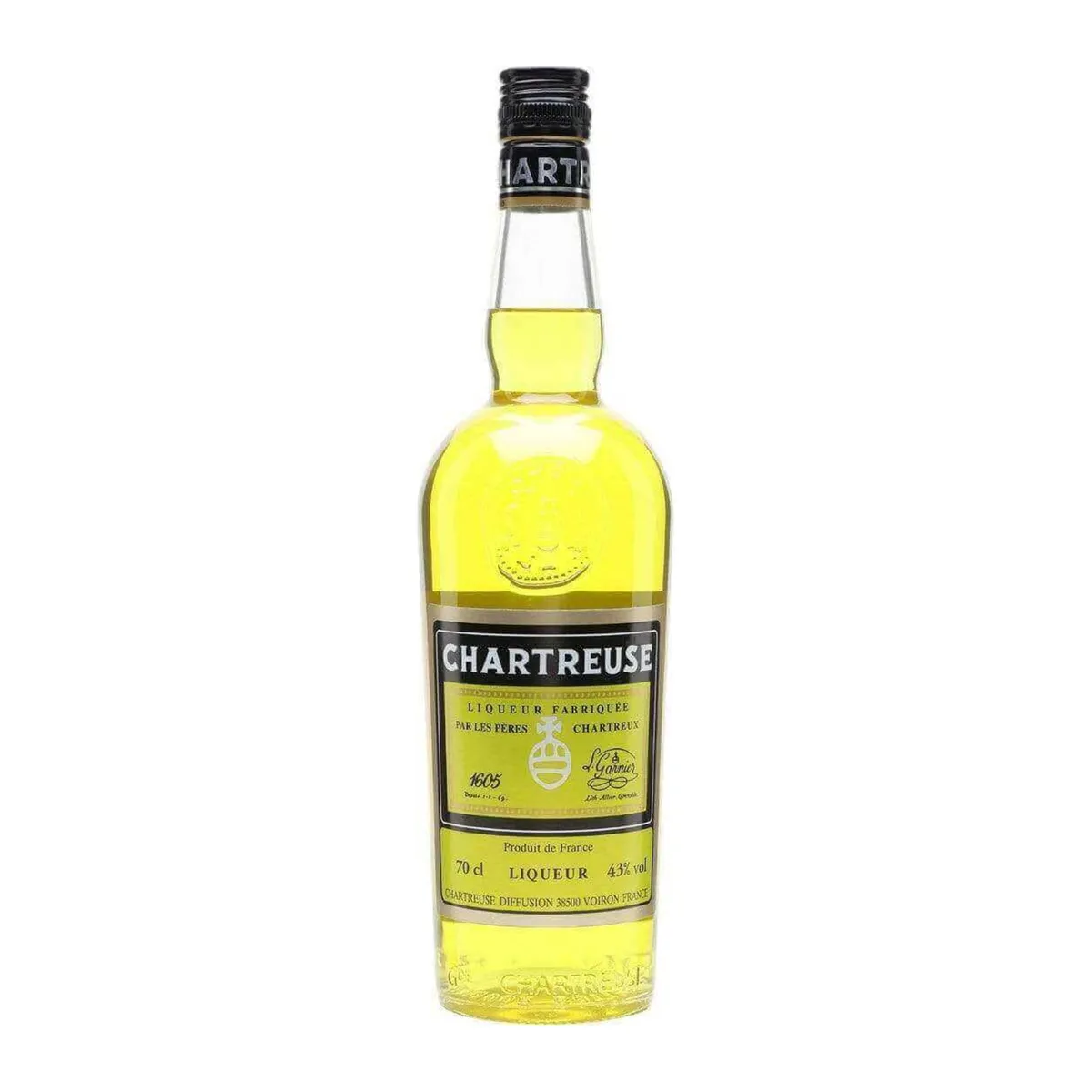 FeaturedCHARTREUSEYellow Liqueur750 ML$120.00Add to cart
 DrinkthatEspresso Martini750 ML$33.99Add to cart
 Walnut Bitter750 ML$7.99Add to cart
 LuxardoCherries Jar400 G$26.99Add to cart
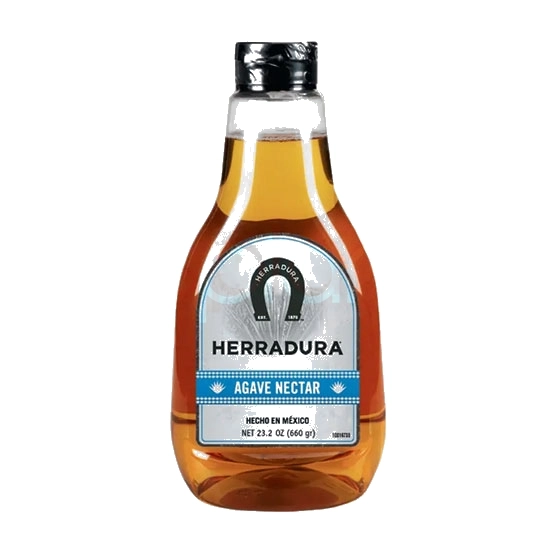 HERRADURAAgave Syrup23 OZ$8.99Add to cart
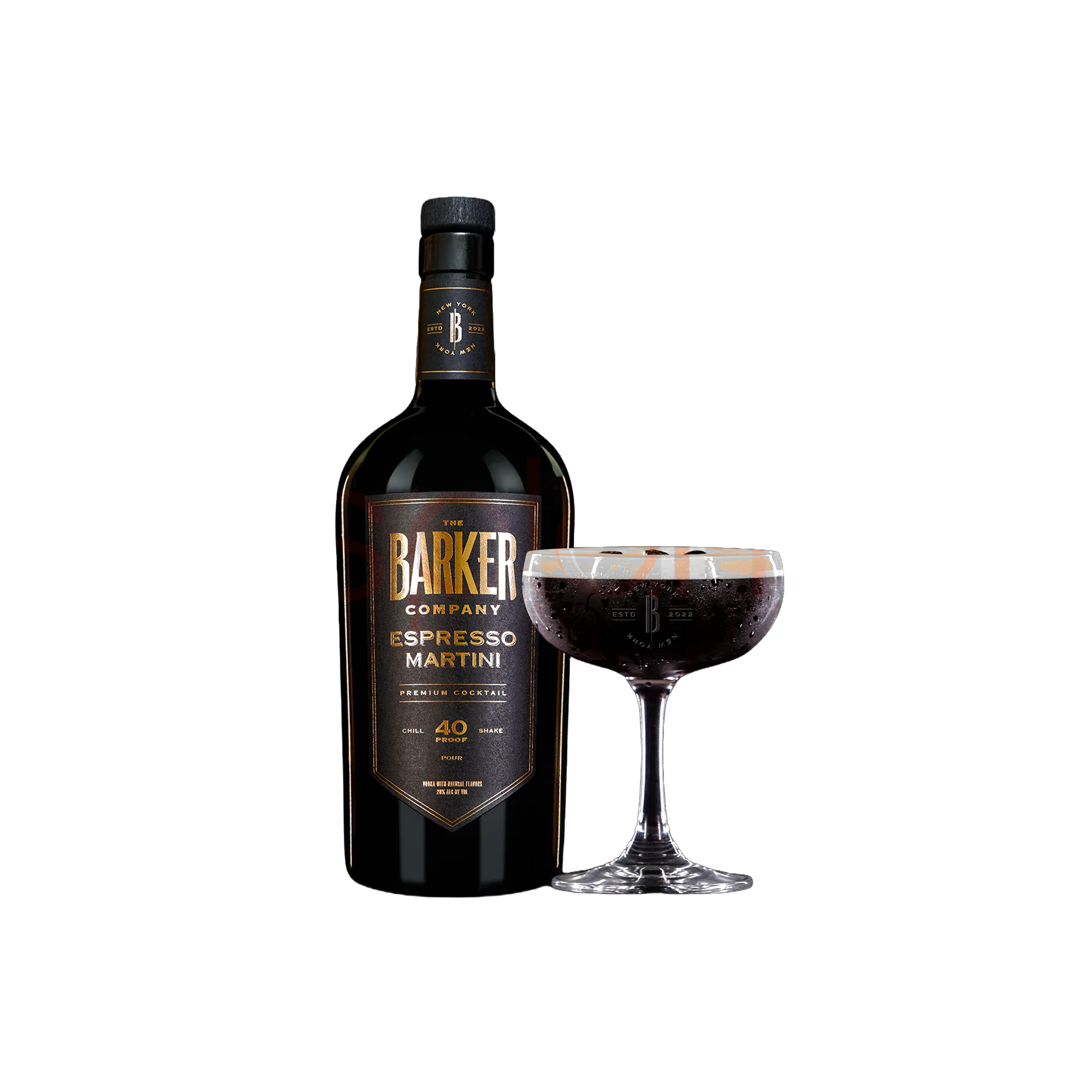 BARKEREspresso Martini$29.99Add to cart
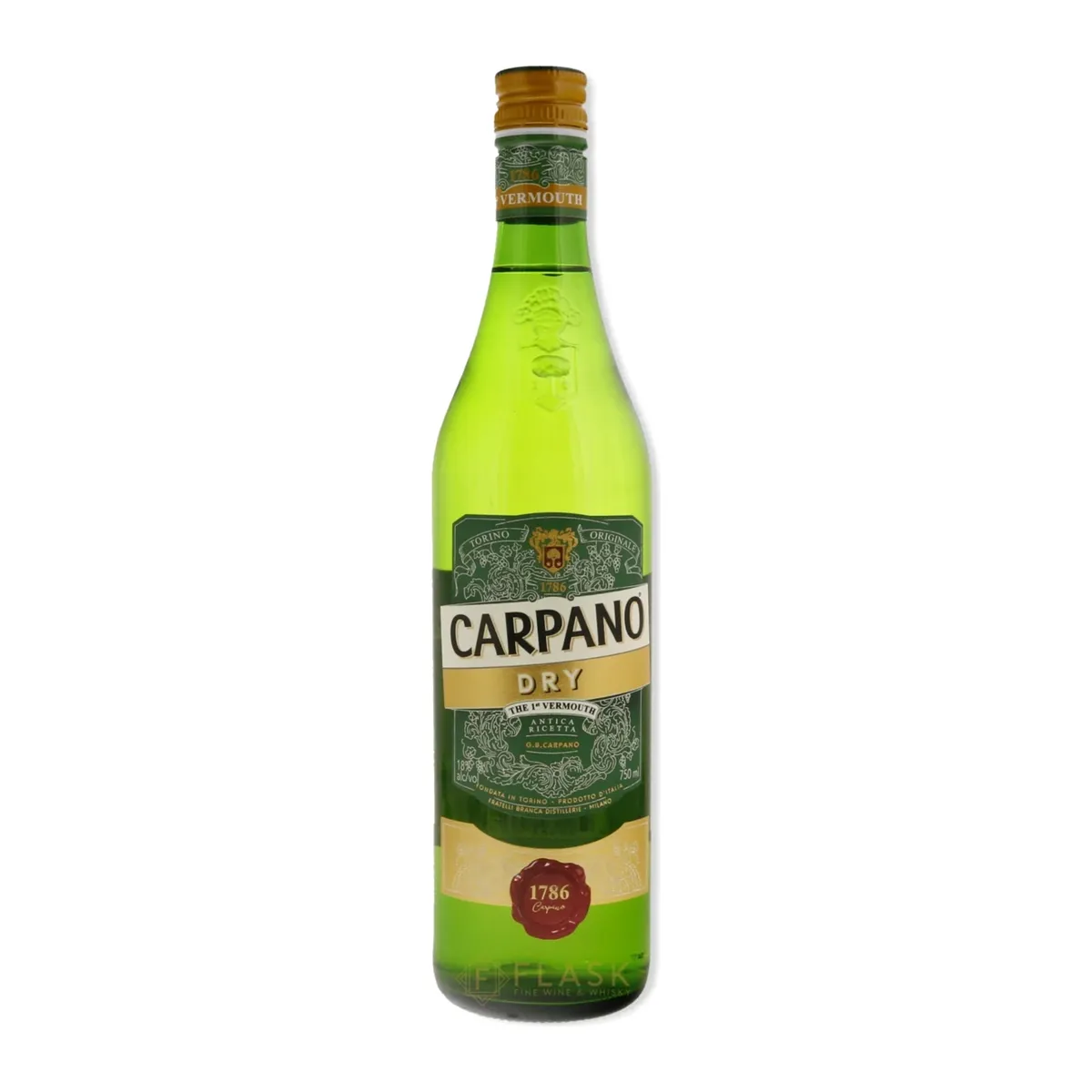 Carpano Dry750 ML$17.99Add to cart
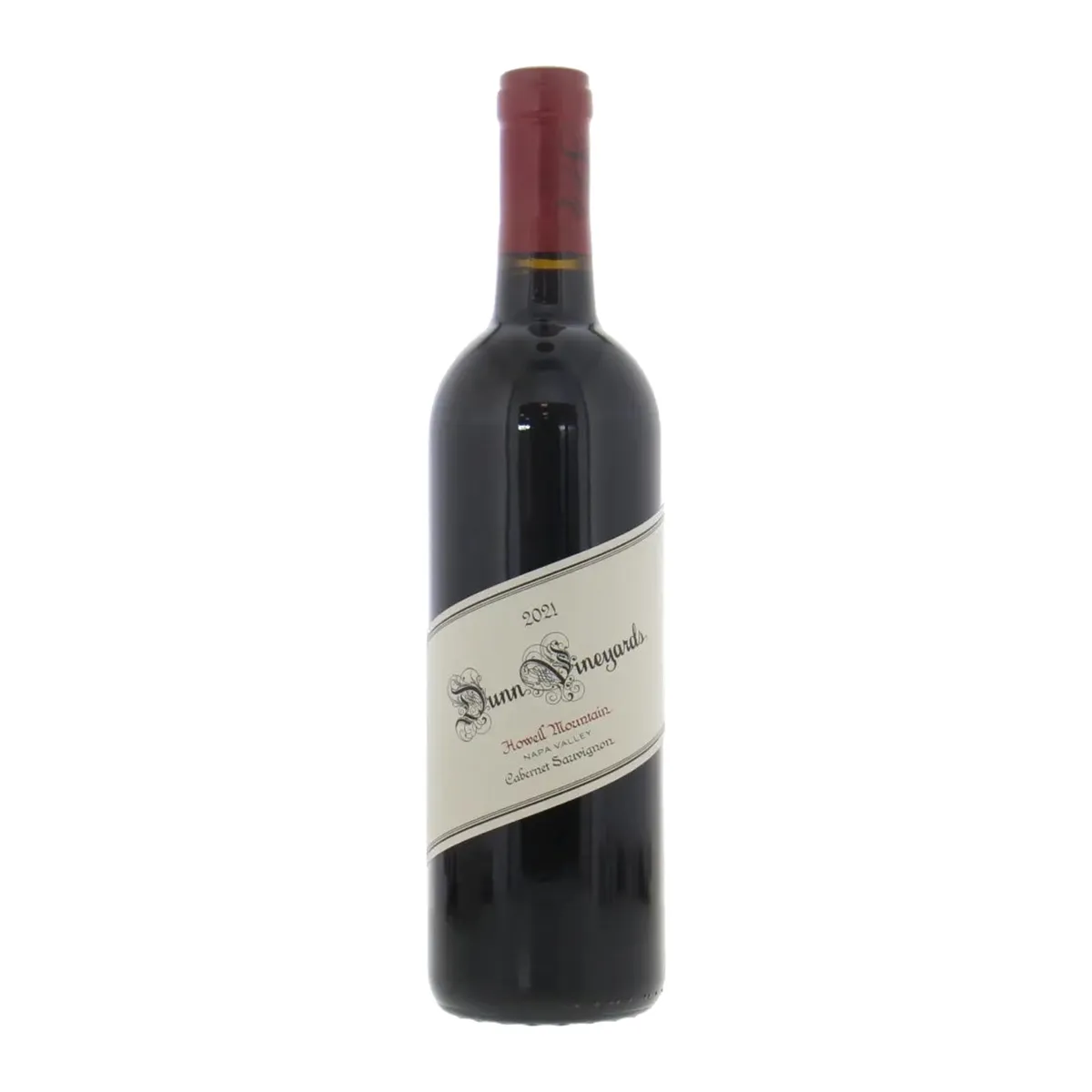 Dunn Howell Mtn Cab750 ML$250.00Add to cart
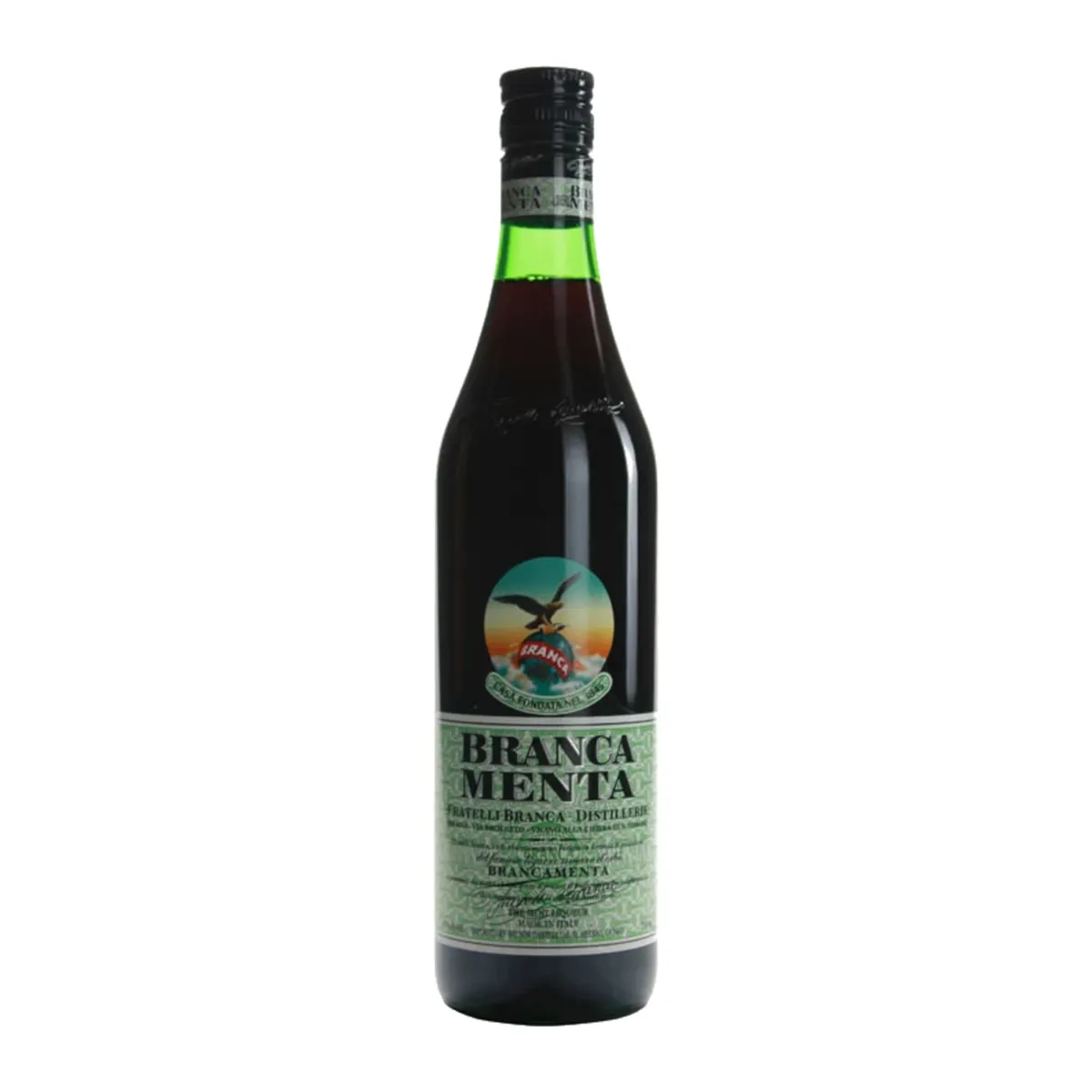 Branca Menta750 ML$42.99Add to cart
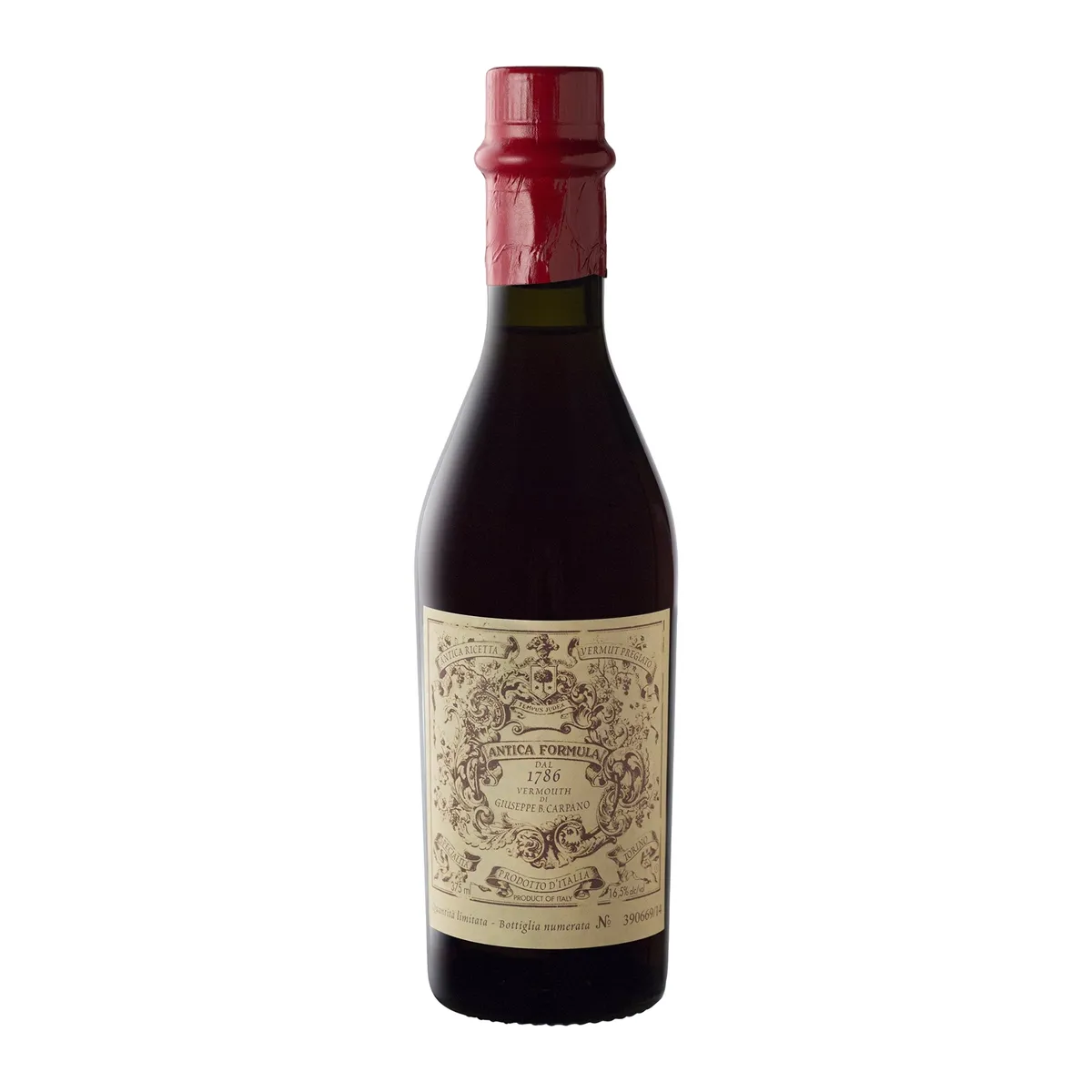 Antica Formula750 ML$39.99Add to cart
Limoncello is a sweet Italian lemon liqueur, made by steeping lemon peel in neutral spirit and blending the infusion with sugar syrup, and it is served small and very cold. The Wild Duck Liquor Store in Boston explains here how to choose a bottle, how to serve and mix it, how to make a batch at home and how to keep a bottle once it is open.
What is limoncello and where does it come from?
Limoncello is a sweet Italian lemon liqueur from southern Italy, most closely linked with the Amalfi coast and the Gulf of Naples. Sicily also makes its own versions. It is made by steeping lemon peel in a neutral spirit, then blending the infusion with sugar syrup. The result is a bright yellow liqueur that tastes of fresh lemon zest rather than sour juice.
Because it is made from the peel and not the juice, limoncello is sweet and aromatic with only a mild tartness. The oils in the citrus zest give it a strong lemon scent, and the sugar rounds it off. Many bottles look slightly cloudy, and that haze comes from the lemon oils.
In Italy it is usually served after a meal. At The Wild Duck Liquor Store, 86 Massachusetts Ave in Boston, we think of it as a small, simple pour that suits the end of a dinner or a warm afternoon.
What is limoncello made from, and how strong is it?
Three things go into limoncello: lemon peel, neutral alcohol and simple syrup, which is sugar dissolved in water. Good makers use only the yellow zest and leave out the white pith, which is bitter. The peel is left to infuse in the spirit until the oils are drawn out, and the infusion is then sweetened and diluted.
The strength depends on the maker. Limoncello is usually gentler than a straight spirit such as vodka, because the syrup dilutes the alcohol, but one bottle can differ noticeably from another. The label shows the alcohol by volume, and some labels also give a proof figure, so check it if you want a lighter or a firmer pour.
The sweetness varies too. Some bottles taste like lemon candy and some stay closer to the zest. Reading the label and trying a small bottle first is a sensible way to learn which you prefer.
What should I look for in a good bottle of limoncello?
Start with the ingredients. A good limoncello is made from real lemon peel, spirit, sugar and water. A short list that names lemon peel or lemon zest is a good sign, and a long list of flavourings and colourings is a reason to look again.
Next, look at the colour and the clarity. A slightly cloudy bottle is normal, because lemon oils stay suspended in the liquid. A clear bottle can be just as good, so judge it by the label and the taste rather than the haze. A natural yellow is more convincing than a neon one.
Then think about sweetness and strength. If you like a drier style, look for a bottle that talks about zest and balance. If you plan to mix it with sparkling wine, a sweeter bottle works well, because the bubbles lift the sugar.
Finally, choose a size. A small bottle lets you try a style before you commit. A larger bottle suits a dinner party or a gift, since limoncello is poured in small glasses and a bottle goes a long way. Our liqueur page is the place to look, and our gift guide has ideas if you are buying for someone else.
How do you drink limoncello, and should it be served cold?
Yes, serve limoncello very cold. Keep the bottle in the freezer or the fridge and pour it straight into a small chilled glass. Cold tightens the sweetness and brings the lemon forward, while a warm pour tastes syrupy.
Because of the sugar, limoncello does not freeze solid in a home freezer, so the freezer is a safe place for it. Many people keep one bottle there for exactly this reason.
A small glass is the right choice. A little cordial glass, a small stemmed glass or a shot glass all work, and a tulip-shaped glass helps hold the lemon scent. Sip it slowly after a meal and treat it as a small pour, not a large drink.
If you prefer a longer drink, pour it over ice or top it with soda water. That is a good way to try a sweeter bottle.
What can you mix with limoncello? Cocktail recipes to try
A limoncello spritz is a simple place to start. Pour one part limoncello into a glass over ice, add about three parts dry sparkling wine, finish with a splash of soda water and a lemon slice. A dry bottle balances the sweetness, and our sparkling wine page is the place to look. If you like Spanish bubbles, our guide to cava explains the style.
For a limoncello and soda, pour one part limoncello over ice and top with two to three parts soda water. A clean tonic or soda from our mixers range, such as Fever Tree, keeps the drink light and simple.
For a lemon martini style drink, shake two parts vodka, one part limoncello and a small squeeze of fresh lemon juice with ice, then strain into a chilled glass. Limoncello can also stand in for part of the sweetener in a gin sour.
If you want a different yellow liqueur for comparison, we also carry CHARTREUSE Yellow Liqueur, which is herbal and quite unlike limoncello.
How do you make limoncello at home?
Homemade limoncello uses the same three parts as a bottled one: lemon peel, neutral spirit and sugar syrup. A common home recipe uses the peel of about ten unwaxed lemons, 750 ml of unflavoured vodka or other neutral spirit, and a syrup of two cups of sugar dissolved in two cups of water. Recipes differ, so treat these amounts as a starting point.
Wash the lemons and remove the peel in wide strips with a vegetable peeler, leaving the white pith behind. Put the peel in a clean jar, cover it with the spirit, seal it and keep it in a cool, dark place for one to four weeks, shaking the jar now and then. The longer it infuses, the stronger the lemon scent.
Make the syrup by warming the sugar and water until the sugar dissolves, then let it cool fully. Strain the peel out of the spirit, stir in the cooled syrup, and pour the mixture into bottles. Many makers let it rest for a few more days or weeks, then chill it in the freezer before serving.
A Sicilian style recipe follows the same method. It is made with Sicilian lemons, which are known for a fragrant peel, and some cooks steep the peel for longer and adjust the syrup to taste. Whichever lemons you use, take only the zest, since the pith turns the liqueur bitter.
How long does limoncello last once opened?
An opened bottle of limoncello keeps for a good while, because the sugar and alcohol both protect it, but the fresh lemon flavour fades over time. For the brightest taste, finish an opened bottle within several months and check the label for the maker's advice.
Close the bottle tightly after each pour. Keeping it in the freezer or the fridge suits the way limoncello is served and slows the loss of aroma. A cool, dark cupboard also works if you have no room in the freezer.
A homemade batch has no maker's label to follow, so keep it chilled, label the bottle with the date and use it within a few months. If the colour dulls or the smell turns flat, it is past its best.
What food goes well with limoncello?
Limoncello is best after a meal. Its sweetness and acidity cut through a rich dinner and leave the palate fresh, which is why it is a traditional Italian digestivo.
With dessert, pair it with things that welcome lemon: shortbread, almond biscuits, plain sponge cake, ricotta cake or fresh berries. A small glass beside a plate of fruit is enough. It also goes well with vanilla ice cream, and a spoonful of cold limoncello poured over a scoop makes a simple dessert.
Chocolate is a more difficult match because lemon and cocoa can clash. White chocolate and light dark chocolate work better than a very bitter bar. Our snacks page has things to put on the table alongside a small glass.
Can I get help choosing a bottle from The Wild Duck Liquor Store?
Yes, you can visit us at 86 Massachusetts Ave in Boston and ask about liqueurs. We are open Monday to Saturday from 10:00 AM to 11:00 PM and on Sunday from 11:00 AM to 11:00 PM. The Wild Duck Liquor Store has a Google rating above 4.5 from more than 60 reviews, and we carry more than 4,500 products from more than 700 brands.
Besides walking in, we offer pickup, delivery and shipping. If you are looking for limoncello in Boston, our limoncello in Boston page is the place to start, and our liqueur page shows the liqueurs we carry.
Common questions
What is limoncello made from?
Limoncello is made from lemon peel, neutral alcohol and sugar syrup. The peel is steeped in the spirit, then the infusion is sweetened with syrup. Good makers use only the yellow zest and leave out the bitter white pith.
Should limoncello be served cold?
Yes. Serve limoncello very cold, straight from the freezer or the fridge, in a small chilled glass. Cold brings the lemon forward, while a warm pour tastes syrupy.
How strong is limoncello?
The strength depends on the maker. Limoncello is usually gentler than a straight spirit such as vodka, because the sugar syrup dilutes the alcohol. The label shows the alcohol by volume.
How long does limoncello last once opened?
An opened bottle keeps for a good while because of the sugar and alcohol, but the lemon flavour fades. Close it tightly, keep it chilled and aim to finish it within several months.
What is a simple limoncello cocktail?
A limoncello spritz: one part limoncello over ice, about three parts dry sparkling wine, a splash of soda water and a lemon slice.
How do you make Sicilian limoncello at home?
Steep the zest of unwaxed Sicilian lemons in neutral spirit for one to four weeks, then stir in a cooled syrup of sugar and water, strain, bottle and chill. Take only the yellow zest, never the white pith.