Cabernet Sauvignon we stock
In stock now, at today’s prices. Order online for pickup, delivery or shipping.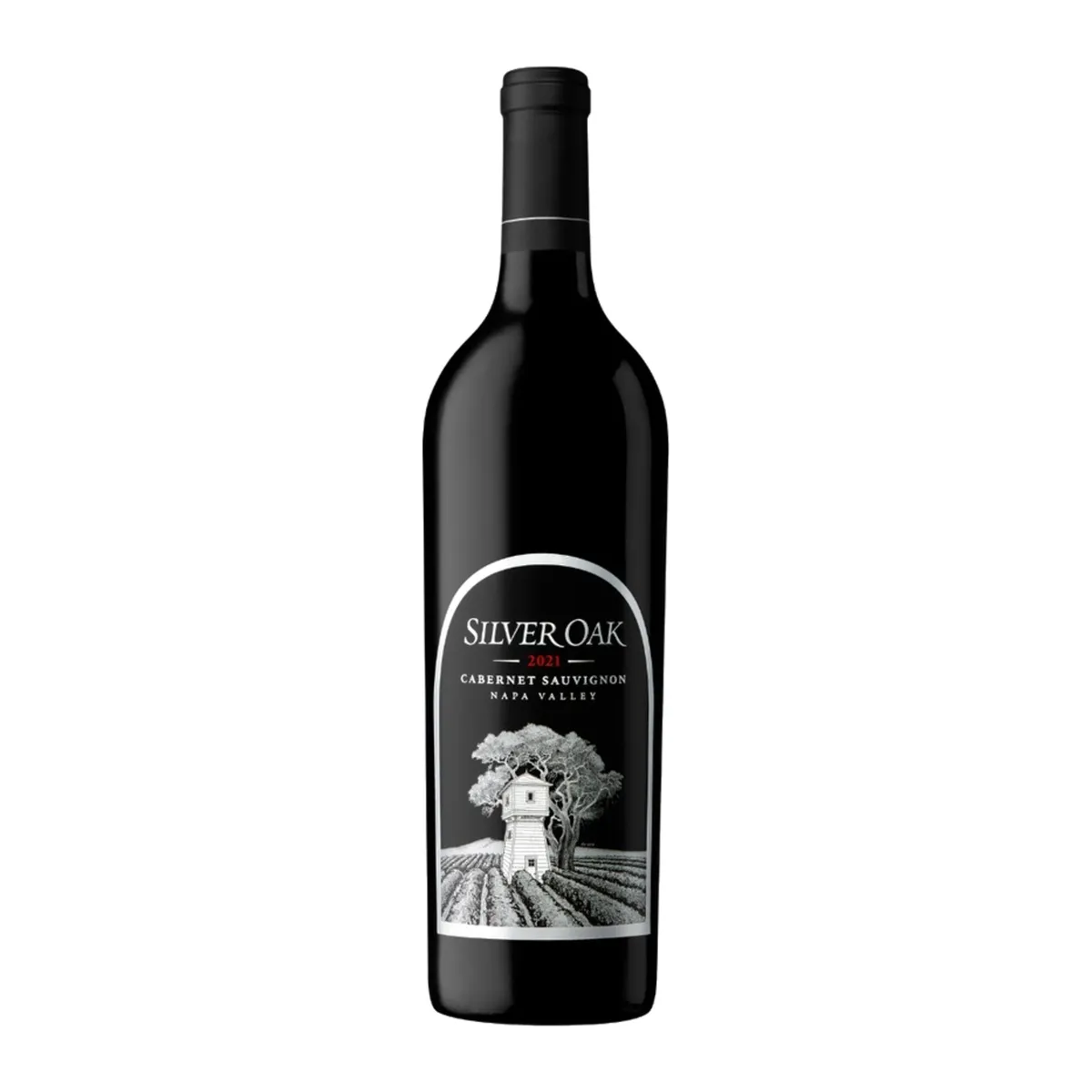 Silver OakNapaernet Sauvignon750 ML$170.00Add to cart
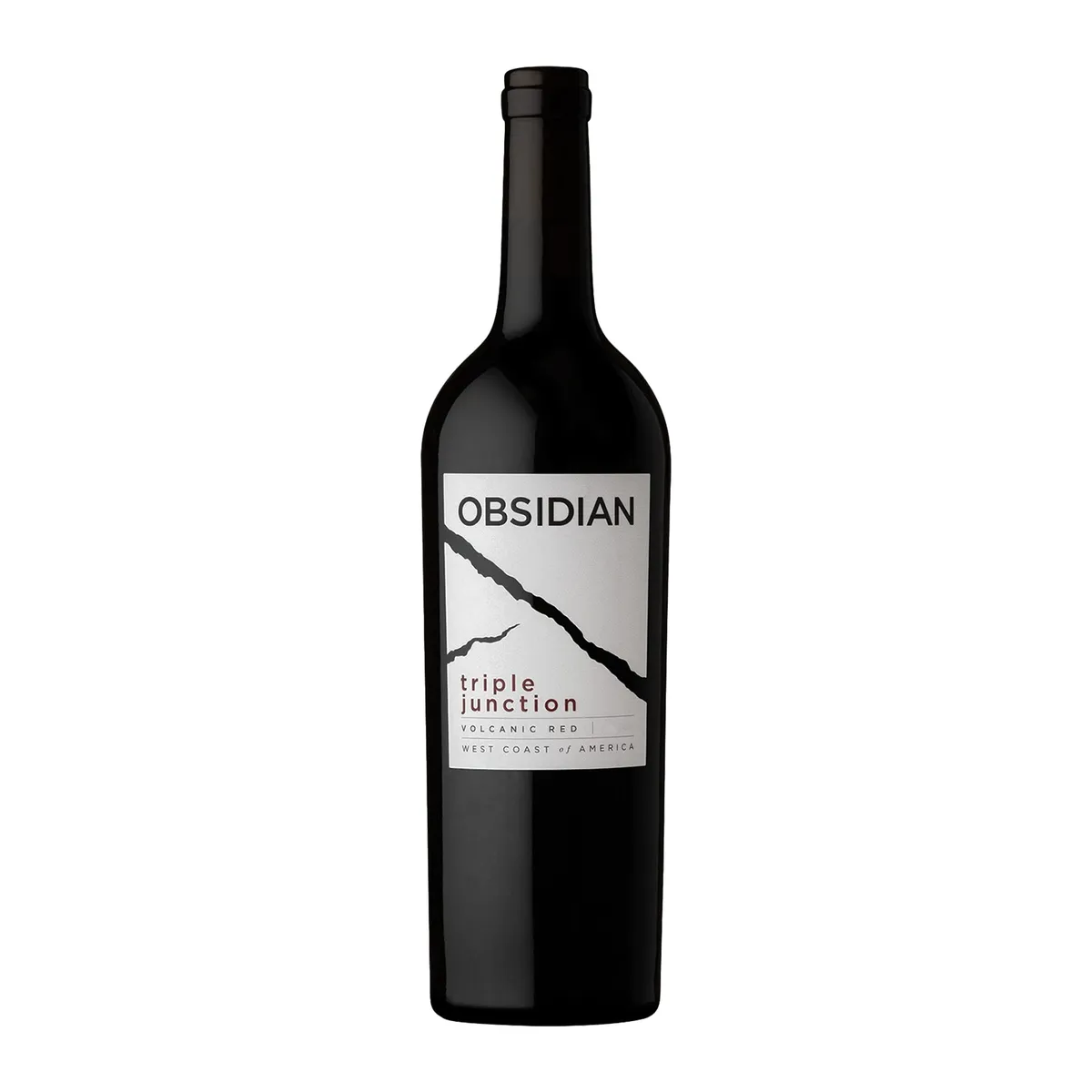 Obsidian Triple Junction Red B750 ML$34.99Add to cart
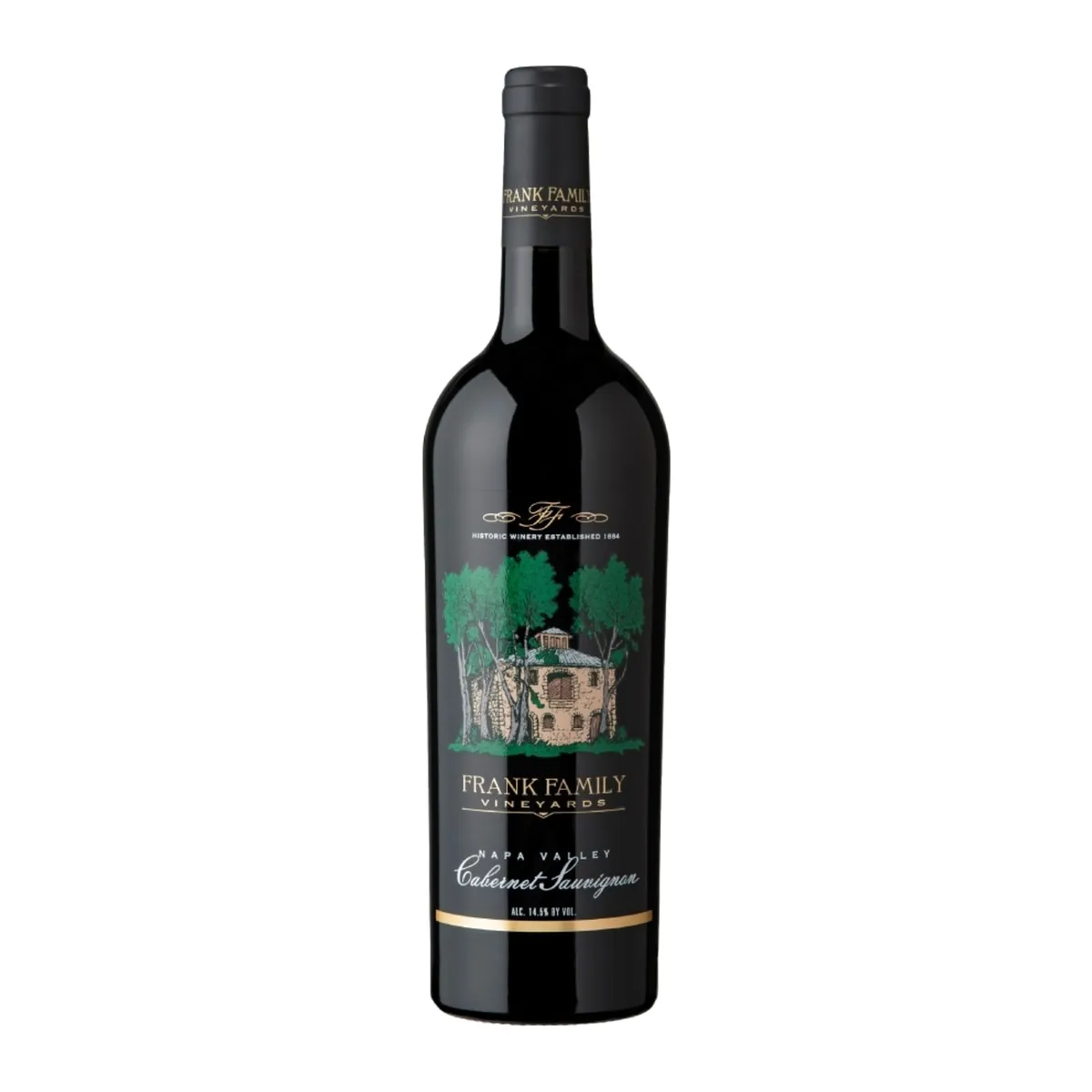 FranksFamily Cab Sauv750 ML$54.99Add to cart
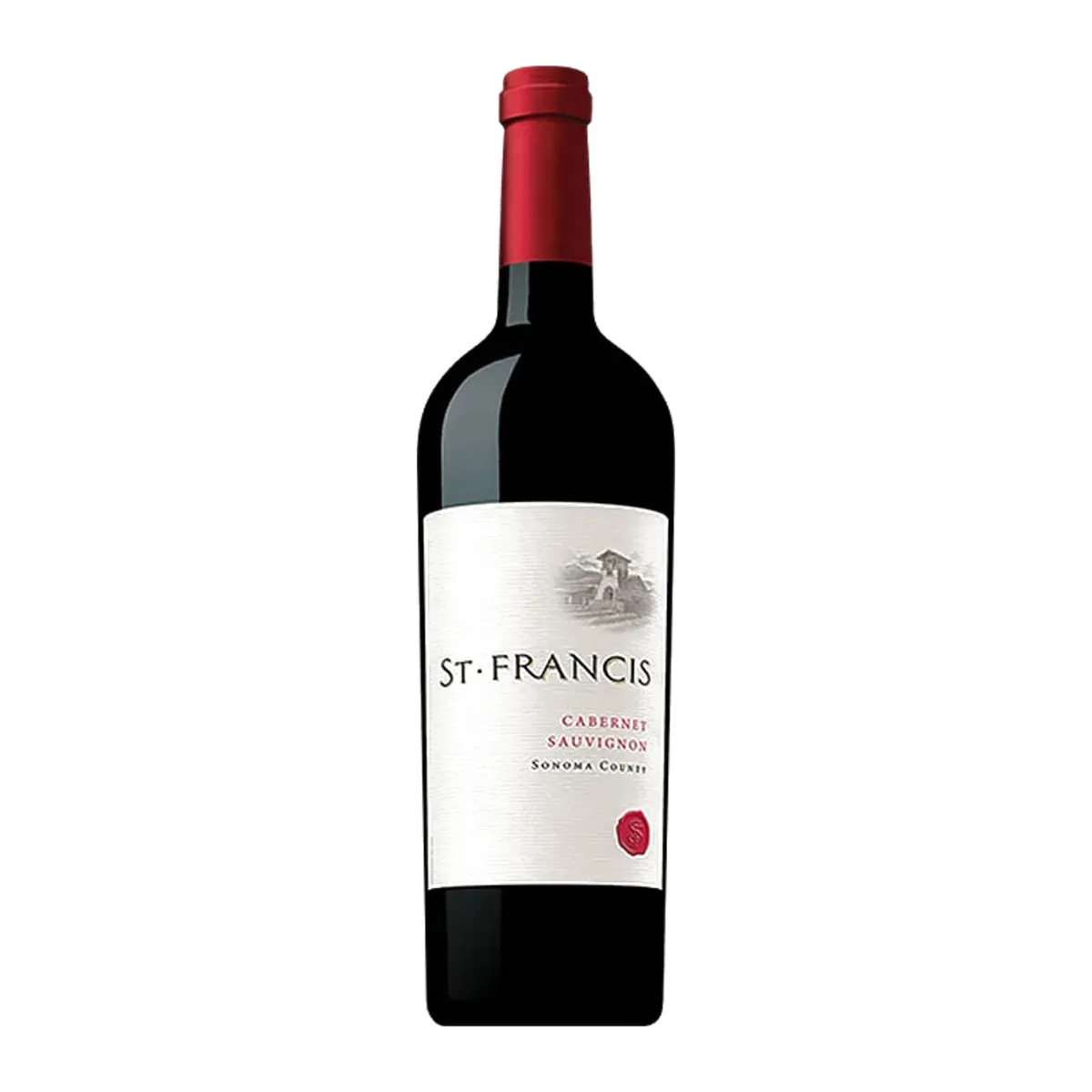 St Francis Cab Sauv750 ML$24.99Add to cart
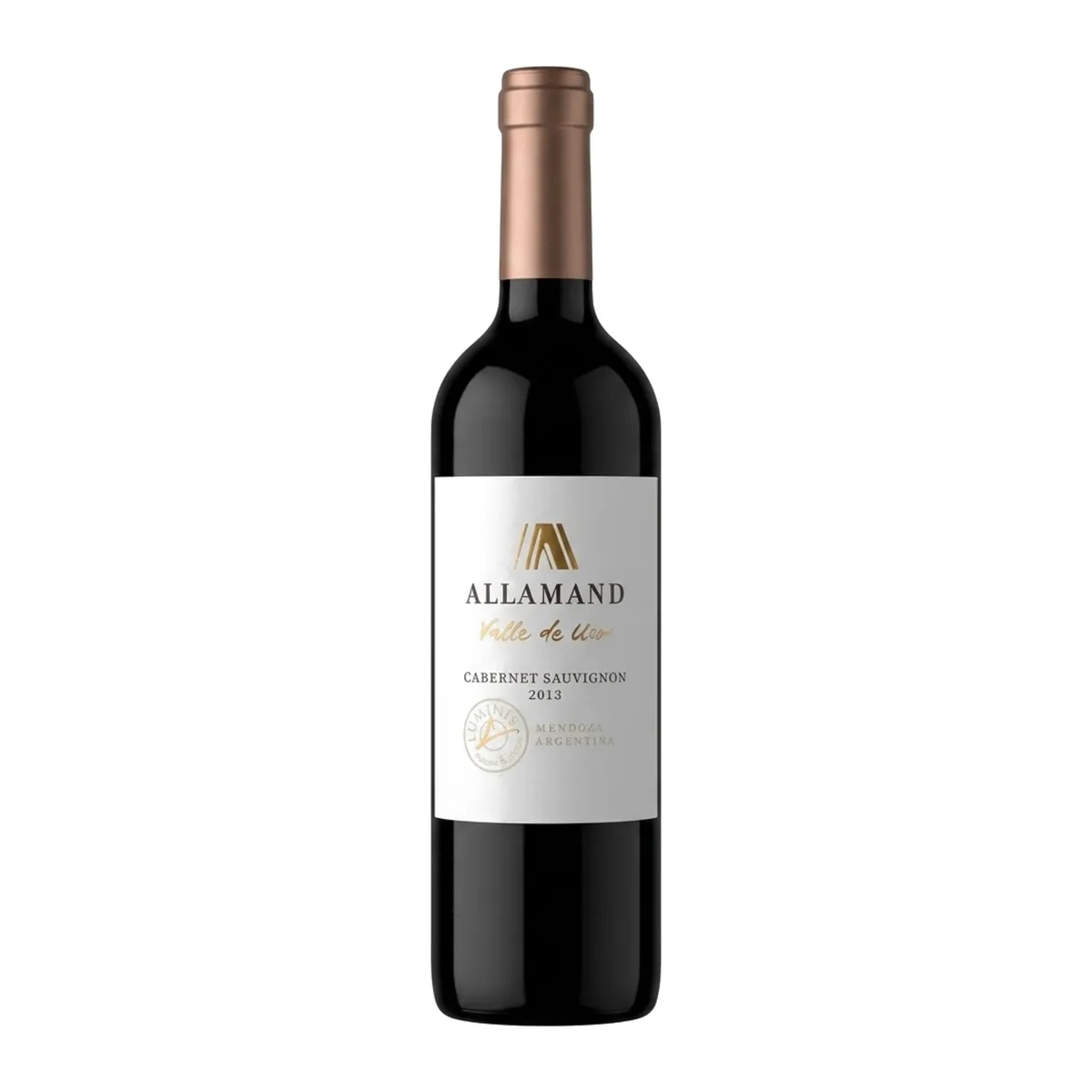 Allamand Cab Sauv.750 ML$29.99Add to cart
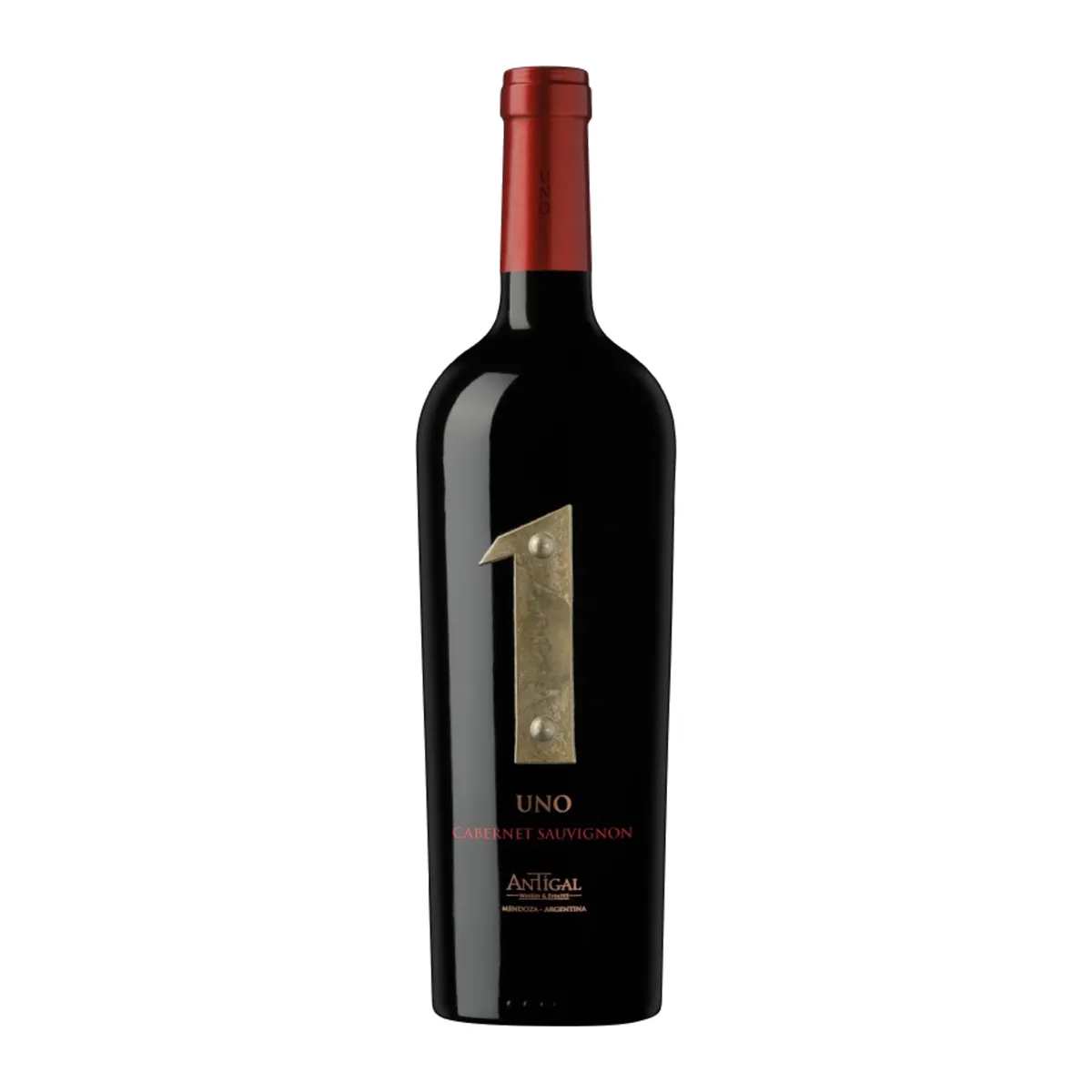 AntigalUno Cab Sau750 ML$15.99Add to cart
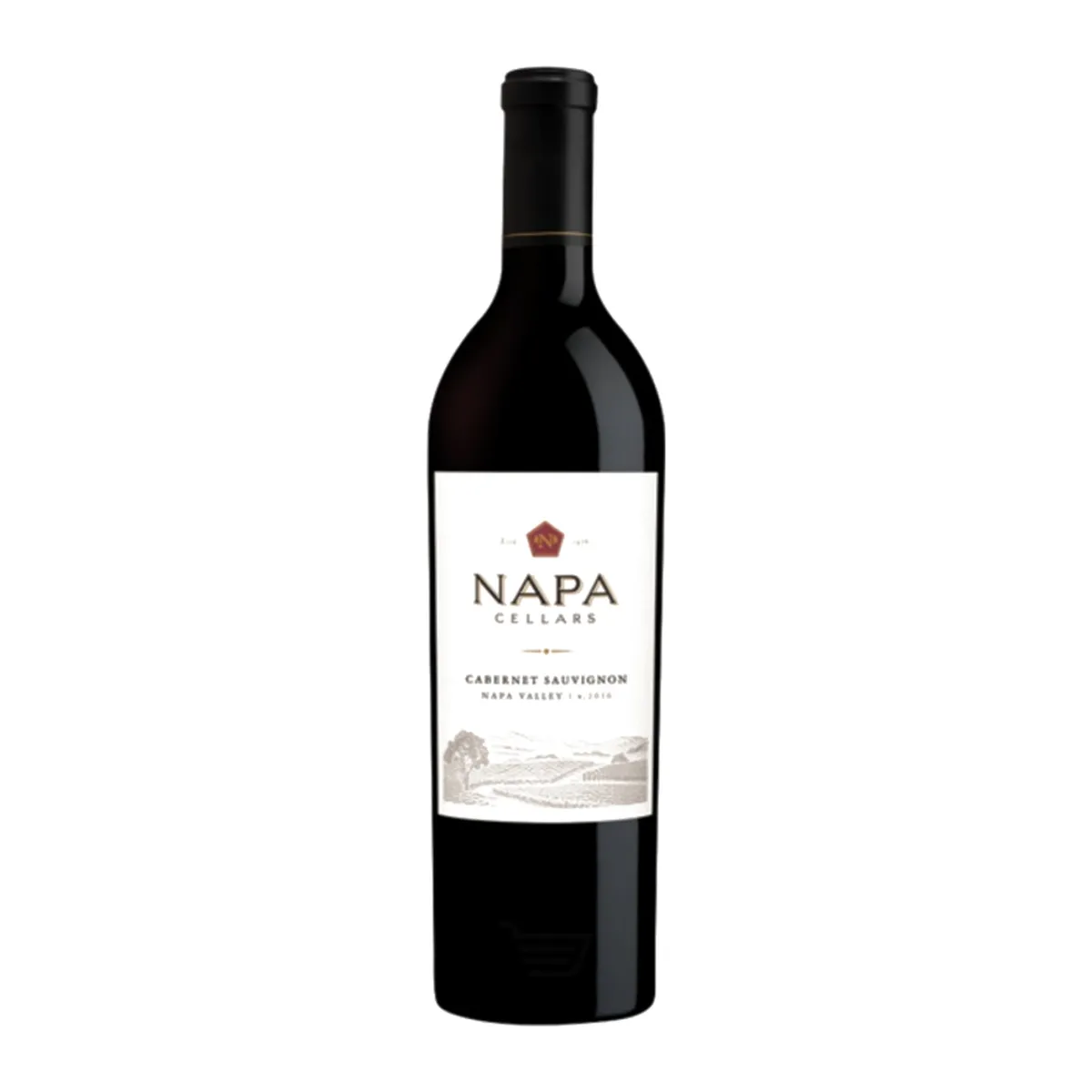 Napa Cellars Cab750 ML$32.99Add to cart
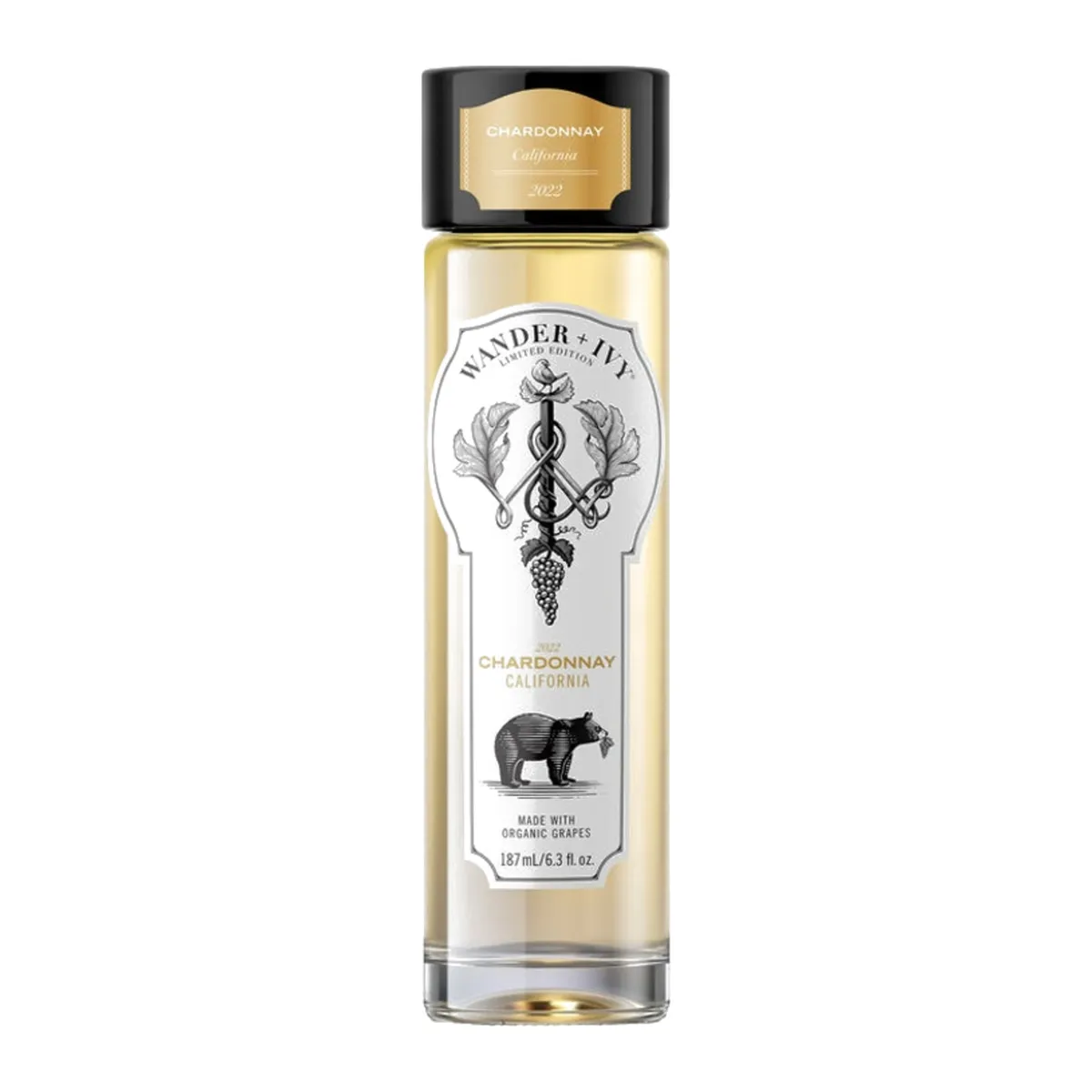 Wander Ivy Chardonnay187 ML$7.99Add to cart
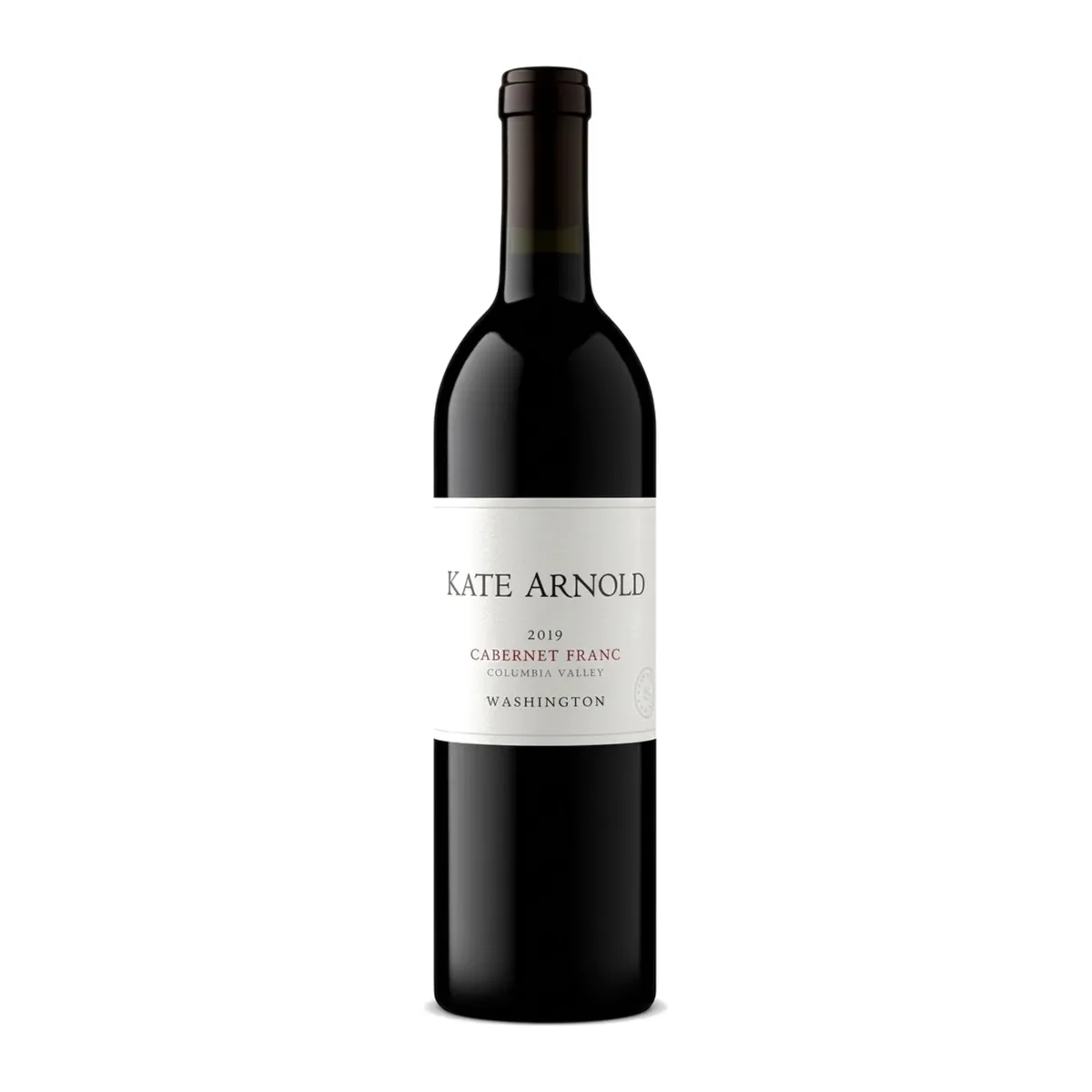 Kate Arnold Cab Franc750 ML$33.99Add to cart
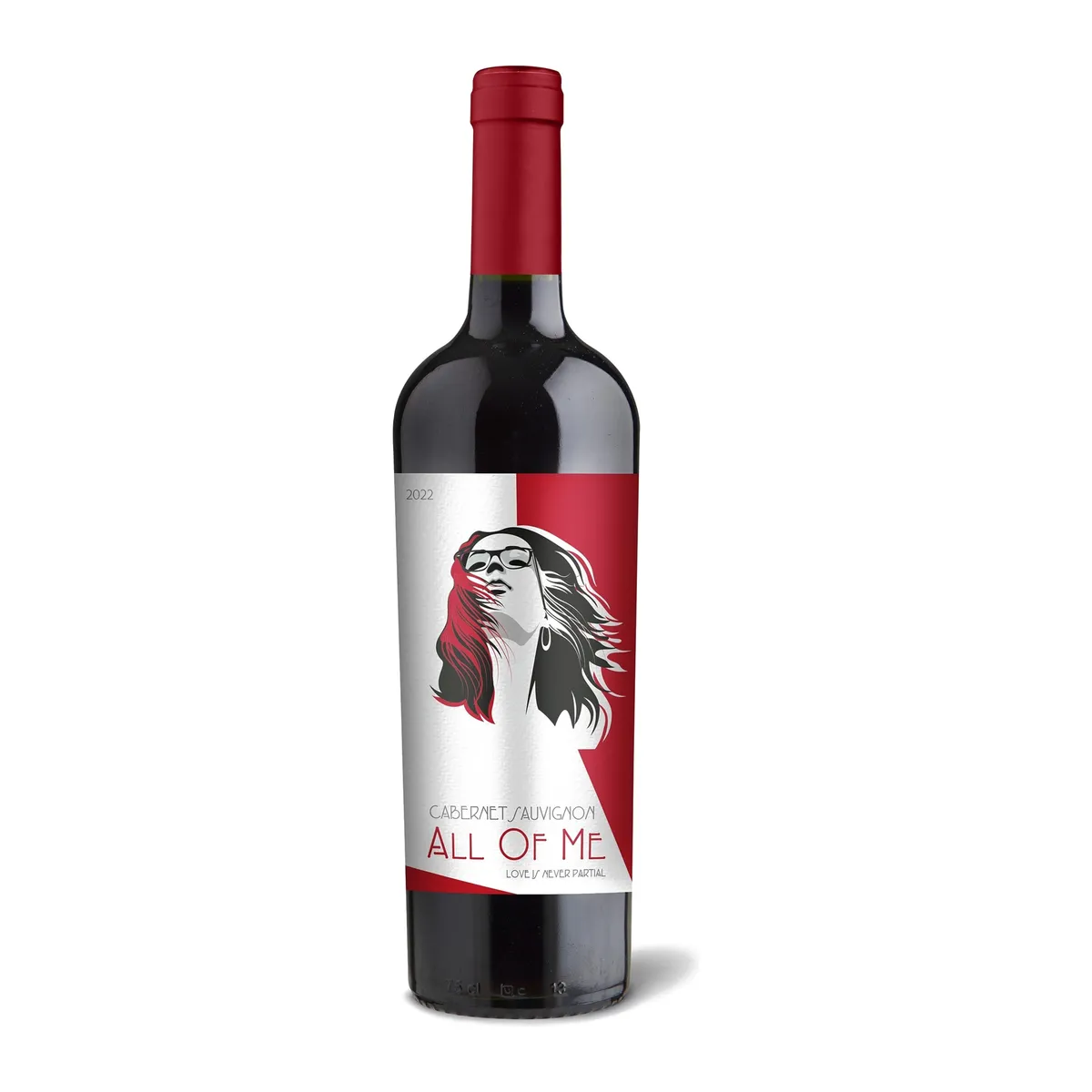 All Of Me Cabernet Sauv750 ML$9.99Add to cart
Napa Valley is a place, not a grape: a wine region in northern California best known for Cabernet Sauvignon. The Wild Duck, a liquor store at 86 Massachusetts Ave in Boston, explains below what the name tells you about a bottle, which styles to expect and how to choose one.
Is Napa Valley a grape or a place?
Napa Valley is a place. It is a wine-growing region in northern California, north of San Francisco, and it is a legally defined growing area, which the United States calls an American Viticultural Area. The Napa Valley area was recognised in 1981.
The name does not describe a grape, a style or a sweetness level. A bottle labelled Napa Valley can be a red, a white or a sparkling wine, and the grape is named separately on the label.
The valley is long and narrow, roughly 30 miles from end to end and only a few miles across at its widest point. Within it are smaller named areas, such as Oakville, Rutherford, Stags Leap District and Howell Mountain, each with its own soils and temperatures. This is why two Napa Valley wines can taste quite different.
Which grapes are grown in Napa Valley?
Cabernet Sauvignon is the grape most closely tied to Napa Valley, and most of the region's reputation rests on it. Merlot, Cabernet Franc, Petit Verdot and Malbec are also grown, and they are often blended with Cabernet Sauvignon to make a red blend.
White wine is made there too. Chardonnay is the main white grape, and Sauvignon Blanc is also widely grown. Pinot Noir and Chardonnay do well in the cooler southern end of the valley, near San Pablo Bay, where sparkling wine is also made.
If you are choosing within this region, the grape tells you more about the taste than the valley name does. Decide first whether you want a bold red, a richer white or something lighter, then look at the grape.
What does Napa Valley Cabernet Sauvignon taste like?
Napa Valley Cabernet Sauvignon is usually full-bodied, with dark fruit flavours such as blackcurrant and blackberry, firm tannins and noticeable oak. Tannin is the drying, grippy feeling a red wine leaves on your gums, and it is strongest in young Cabernet.
The warm, dry growing season in the valley tends to ripen the grapes fully, which gives these wines weight and depth. Many are aged in oak barrels, and that adds notes of vanilla, toast or cedar.
If you prefer a softer red, a Merlot-led blend or a Pinot Noir is a gentler choice. You can browse Cabernet Sauvignon, Pinot Noir and red blends at The Wild Duck to compare styles by grape.
How do you read a Napa Valley wine label?
Start with three things: the grape or blend name, the place name and the vintage year. A wine labelled Napa Valley must, under United States rules, get at least 85 percent of its grapes from that area. A smaller area such as Oakville or Rutherford on the label means the grapes come from that narrower district.
The vintage is the year the grapes were harvested. Weather varies from year to year, so a vintage can change how ripe or structured a wine tastes.
You may also see the words reserve or estate. These are not tightly regulated terms for most wines, so treat them as the producer's description rather than a guarantee of quality. The alcohol level printed on the label is a useful hint: higher levels usually mean a fuller, riper style.
The place name matters because a grape such as Cabernet Sauvignon is grown in many countries. When you want a Napa Valley bottle specifically, read the appellation line on the label rather than relying on the grape alone.
Which Napa Valley style suits which meal?
Match the weight of the wine to the weight of the food. A full-bodied Cabernet Sauvignon suits grilled steak, lamb and roasted mushrooms, because the tannins are softened by the fat and protein in the meat. Hard aged cheeses work well too.
A red blend is a flexible choice for a mixed table, such as roast chicken, burgers or pasta with a meat sauce. A richer, oaked Chardonnay goes with roast chicken, lobster and creamy sauces, while a crisp Sauvignon Blanc suits salads, goat cheese and fish.
If the meal is a holiday dinner, our pages on Thanksgiving wine and cider and winter bourbon and red wine cover the table in more detail. For a gift, the holiday gift guide covers wine, spirits and beer.
How should you serve and store Napa Valley wine?
Serve Napa Valley red wine slightly cooler than room temperature, at around 60 to 65 degrees Fahrenheit. A red that is too warm tastes heavy and alcoholic, so a short time in a cool place before serving helps.
Young, tannic Cabernet Sauvignon often tastes better after it has been opened and given time in the glass, or poured into a decanter for an hour or so. White wines such as Chardonnay and Sauvignon Blanc are best chilled but not ice cold, because cold dulls flavour.
For storage, keep bottles on their side in a cool, dark place with a steady temperature, away from heat and sunlight. Most bottles are made to be enjoyed within a few years of release. Once opened, recork a bottle and keep it in the refrigerator, and plan to finish it within a few days.
Which Cabernet Sauvignon bottles does The Wild Duck carry for a Napa Valley search?
Because Cabernet Sauvignon is the grape the valley is known for, we start a Napa Valley search on our Cabernet Sauvignon page. Bottles we carry there include Silver Oak Napaernet Sauvignon, Franks Family Cab Sauv, St Francis Cab Sauv, Allamand Cab Sauv. and Antigal Uno Cab Sau.
If you prefer a blend, Obsidian Triple Junction Red B is a red blend to look at. Cabernet Sauvignon is grown in many countries, so read the place name on each product page and on the bottle before you decide that it is a Napa Valley wine.
Stock changes, so the Cabernet Sauvignon page is the place to see what we carry at the moment you shop.
How do you buy Napa Valley style wine from The Wild Duck in Boston?
Begin with the grape. The wine section of our website is organised by category, including red wine, Chardonnay, Sauvignon Blanc and sparkling wine.
The Wild Duck is at 86 Massachusetts Ave in Boston. We have more than 4,500 products on our shelves from more than 700 brands, and the shop is rated above 4.5 out of 5 from more than 60 Google reviews. You can walk in, order for in-store pickup or use wine delivery in Boston. We also offer shipping, and we deliver to Cambridge and Brookline.
Our store hours are 10:00 AM to 11:00 PM Monday to Saturday and 11:00 AM to 11:00 PM on Sunday.
Common questions
Is Napa Valley a grape?
No. Napa Valley is a wine region in northern California. The grape, such as Cabernet Sauvignon or Chardonnay, is named separately on the label.
What grape is Napa Valley best known for?
Cabernet Sauvignon. Merlot, Cabernet Franc, Petit Verdot and Malbec are also grown, and are often blended with it.
What does Napa Valley on a label mean?
Under United States rules, at least 85 percent of the grapes in a wine labelled Napa Valley must come from that area.
At what temperature should you serve Napa Valley red wine?
Slightly cooler than room temperature, at around 60 to 65 degrees Fahrenheit.
Does The Wild Duck offer pickup and delivery for wine?
Yes. We offer in-store pickup, delivery and shipping, and we deliver to Cambridge and Brookline.
What are The Wild Duck store hours?
Monday to Saturday 10:00 AM to 11:00 PM, and Sunday 11:00 AM to 11:00 PM.