In stock at The Wild Duck Liquor Store
In stock now, at today’s prices. Order online for pickup, delivery or shipping.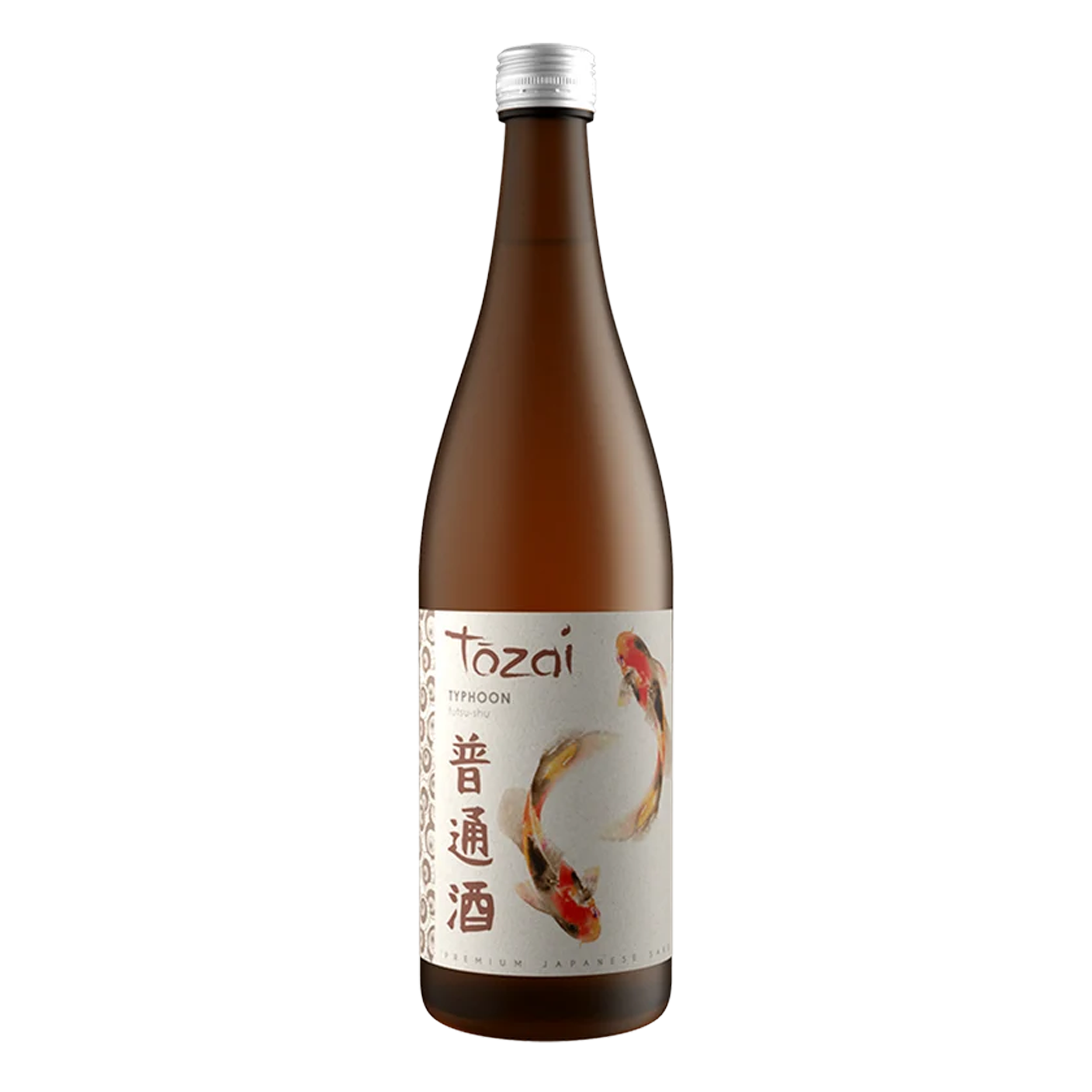 TOZAITyphoon Sake720 ML$17.99Add to cart
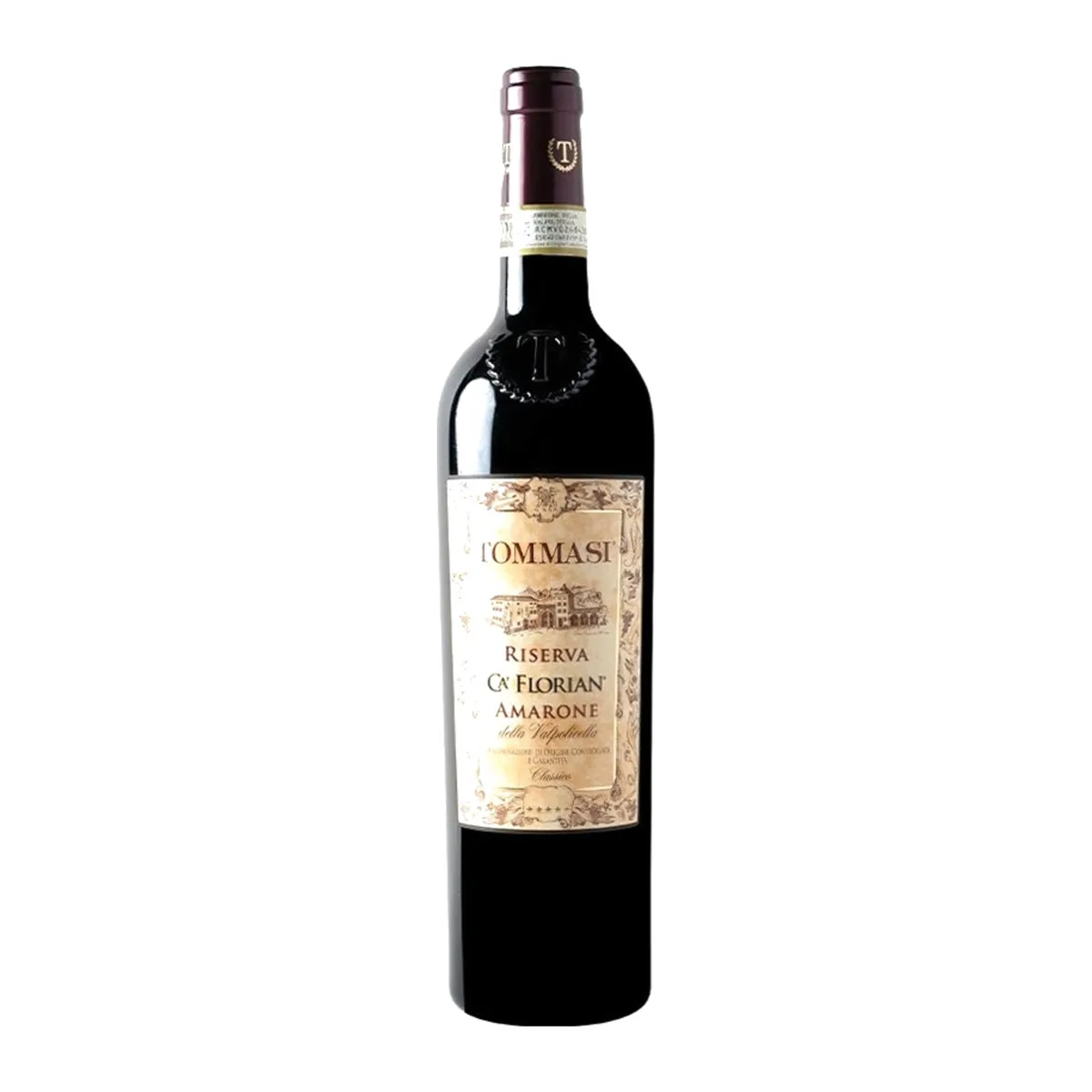 Amarone Riserva Classico750 ML$230.00Add to cart
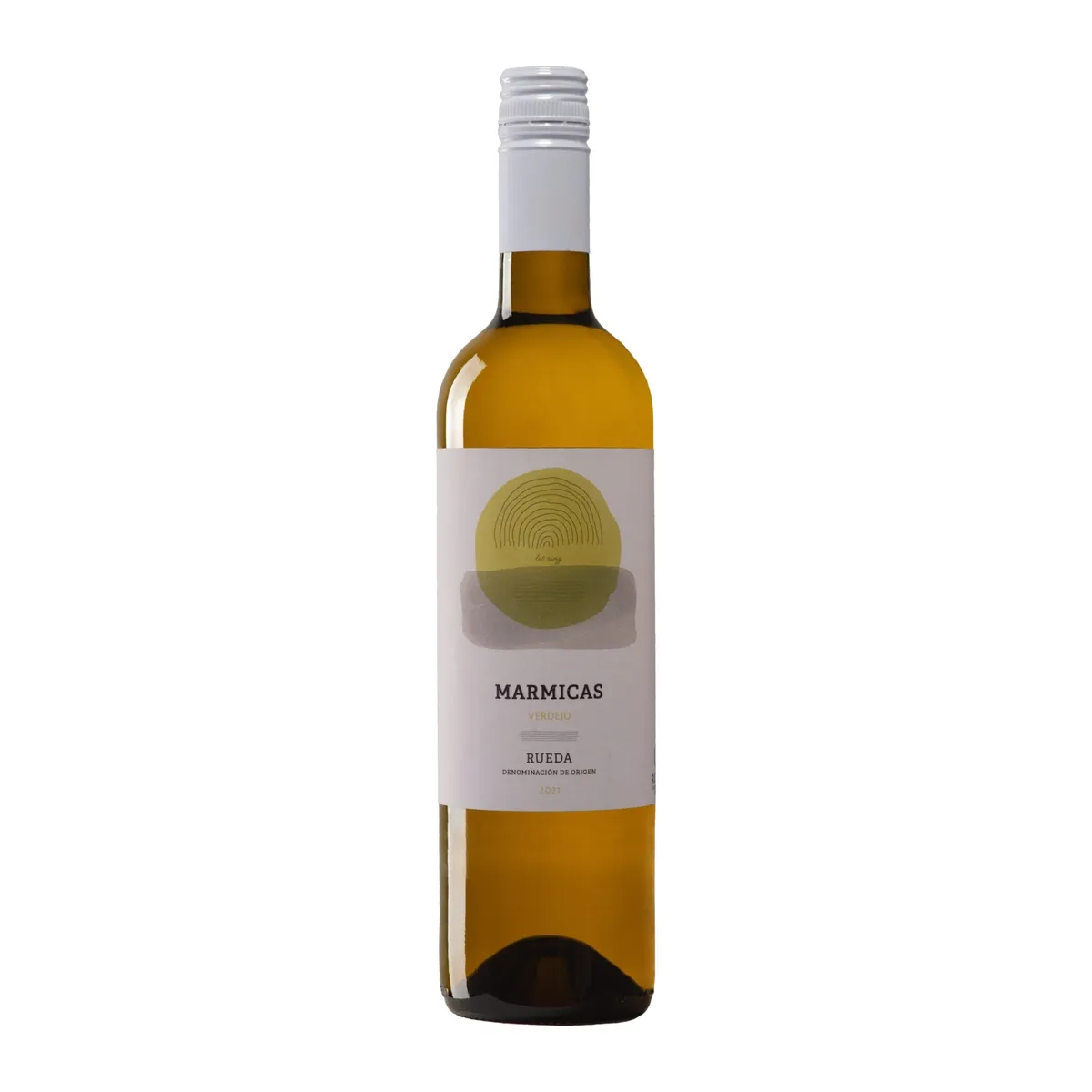 MarmicasVerdejo750 ML$18.99Add to cart
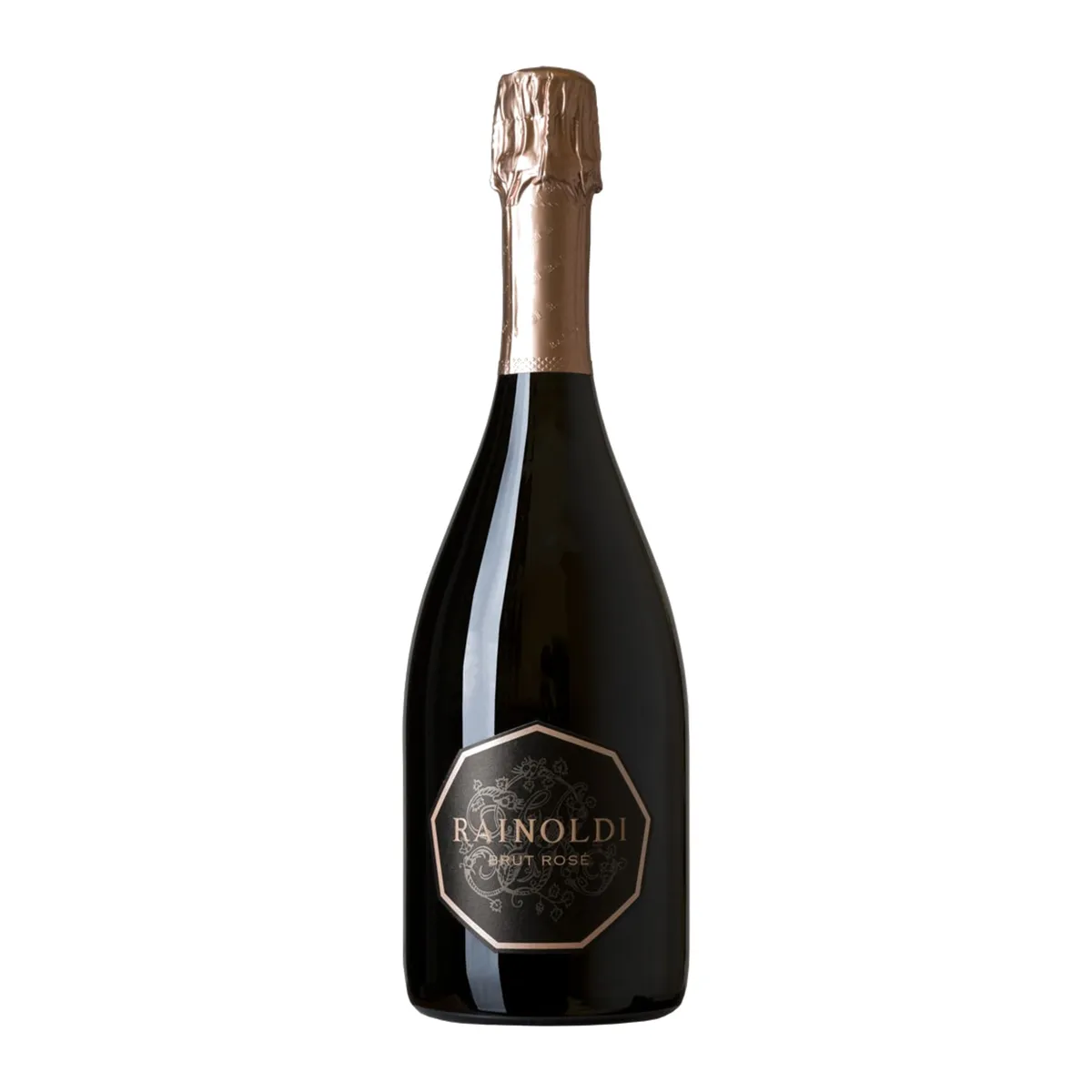 RAINOLDIBrut Rose750 ML$24.99Add to cart
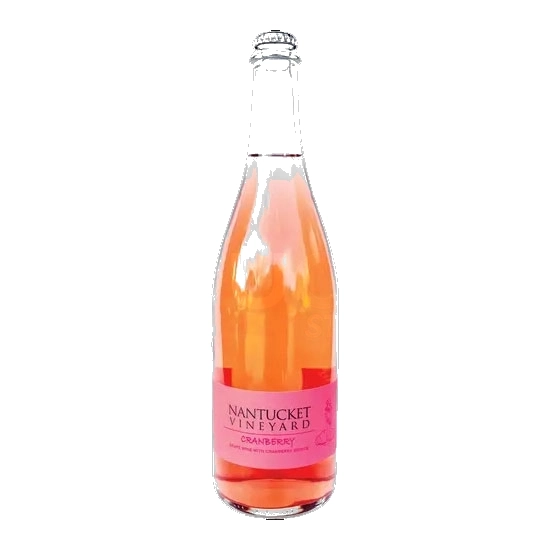 NANTUCKETCranberry4 Pack$11.99Add to cart
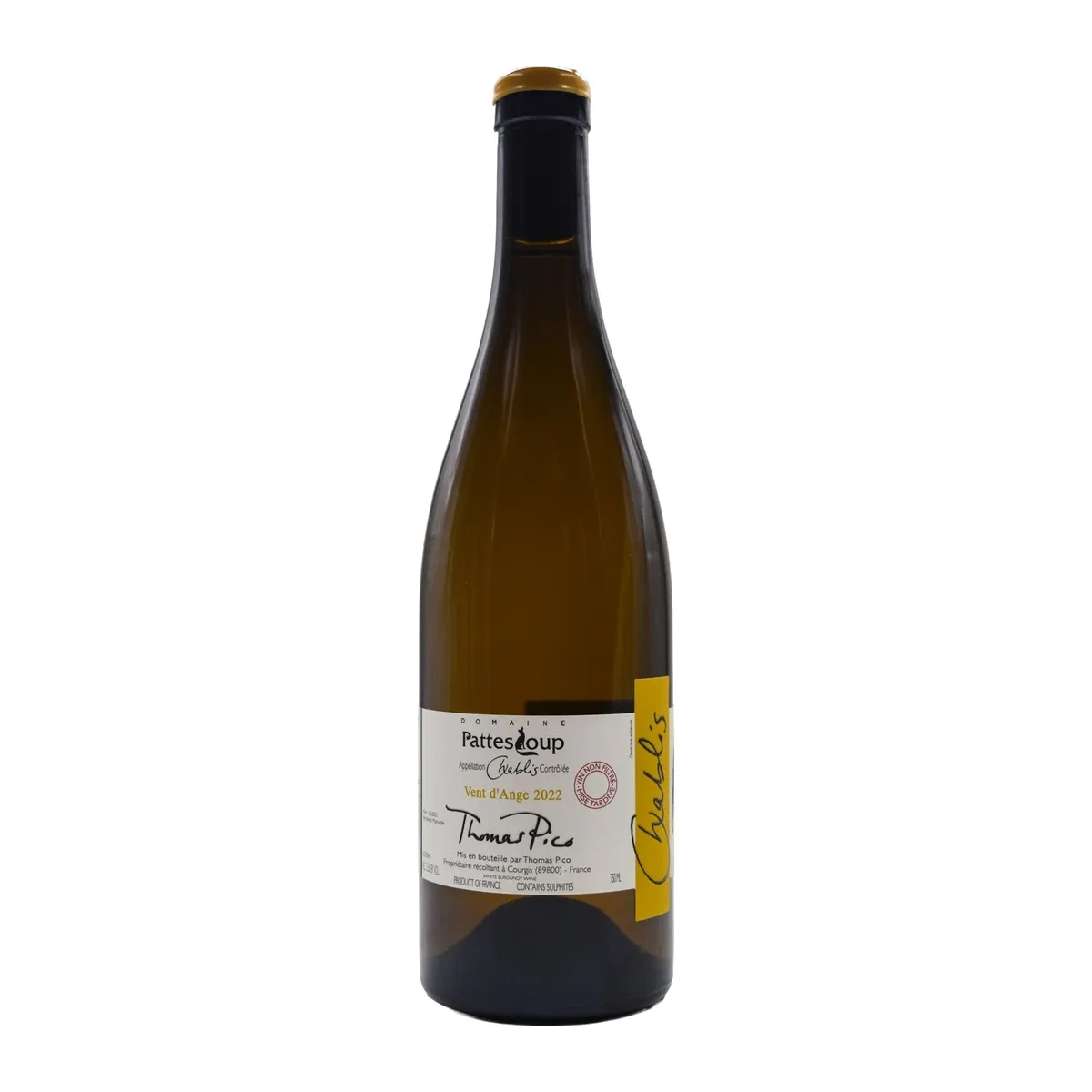 Thomas Picqout Chablis750 ML$49.99Add to cart
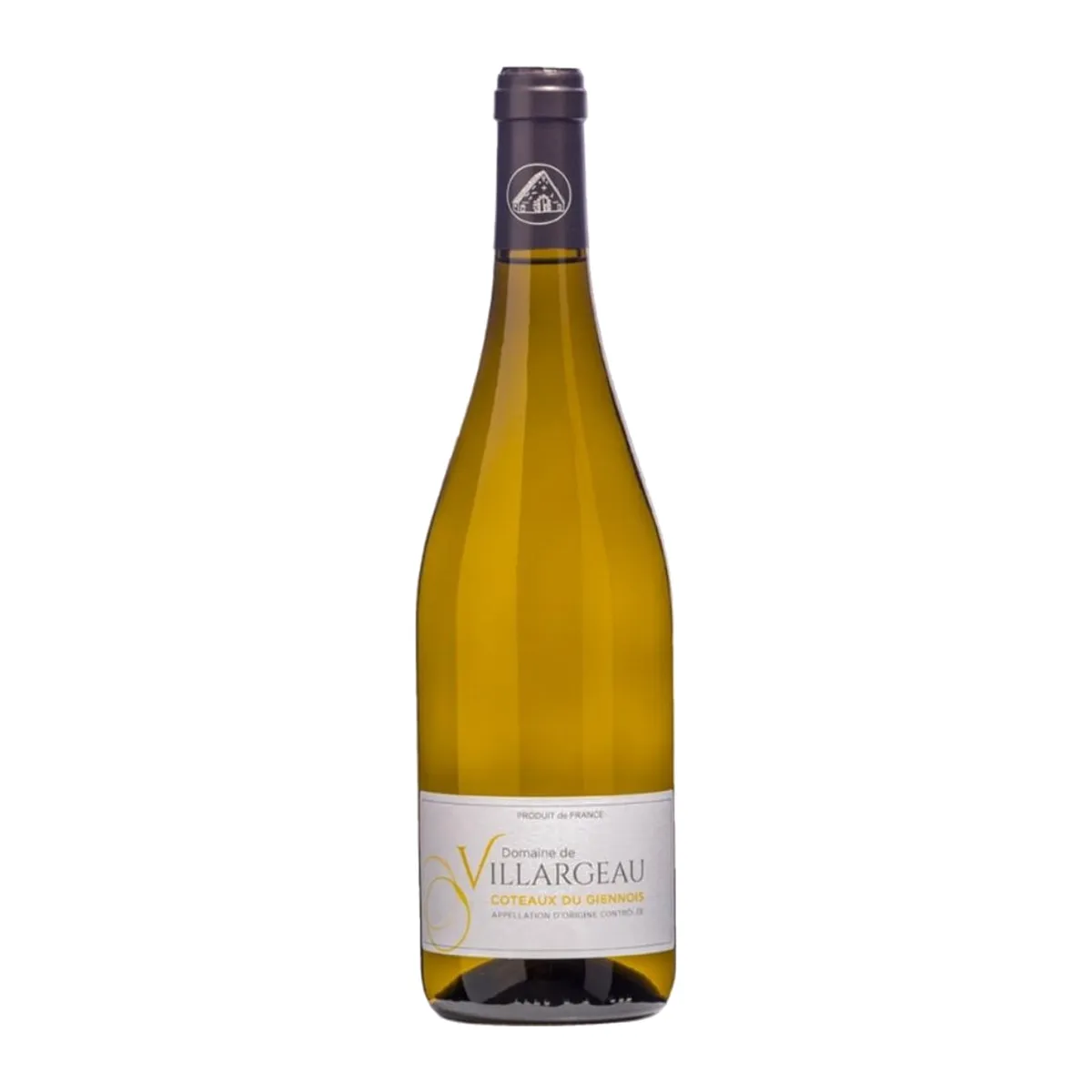 Villargeau Giennois Blanc750 ML$24.99Add to cart
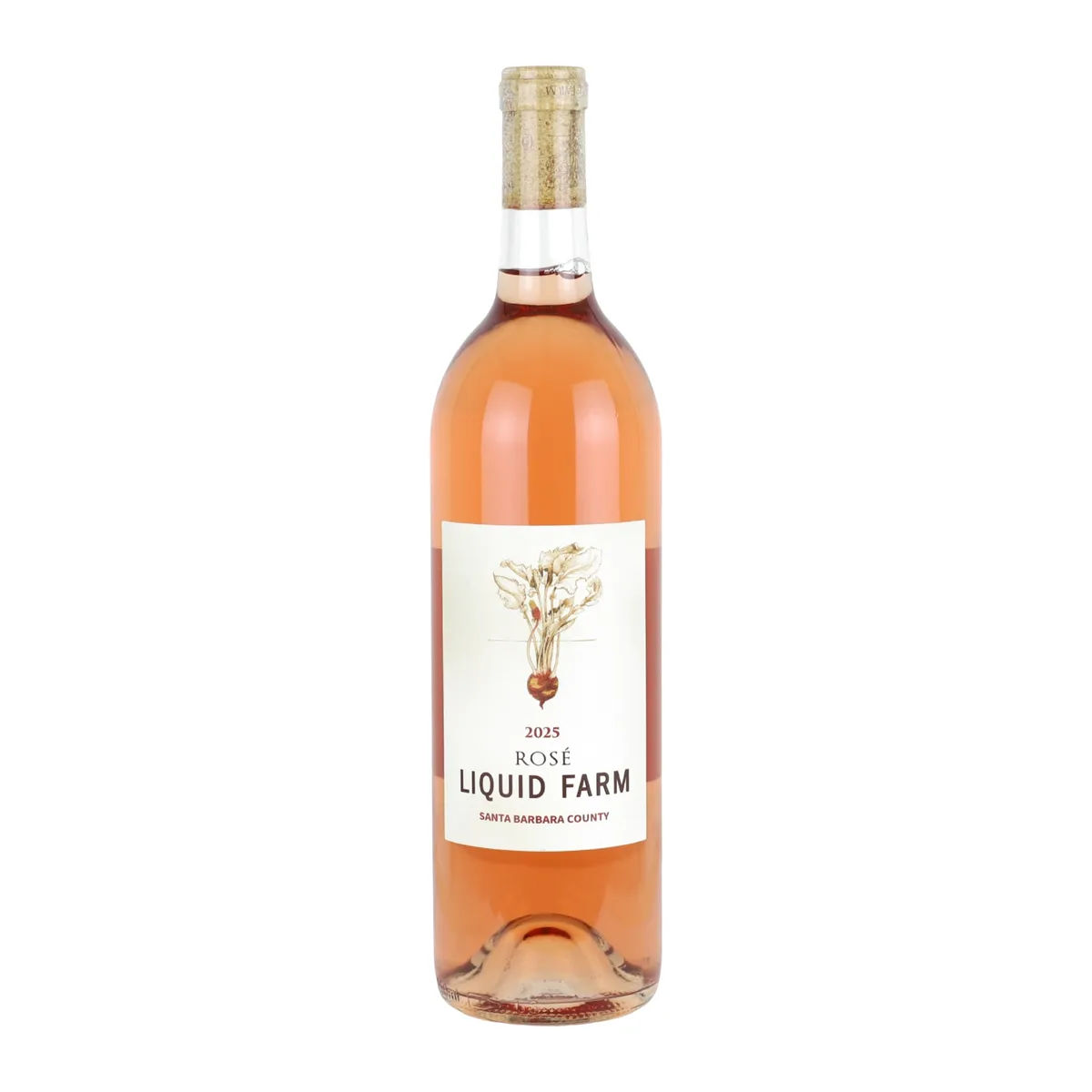 Liquid Farm Rose750 ML$28.99Add to cart
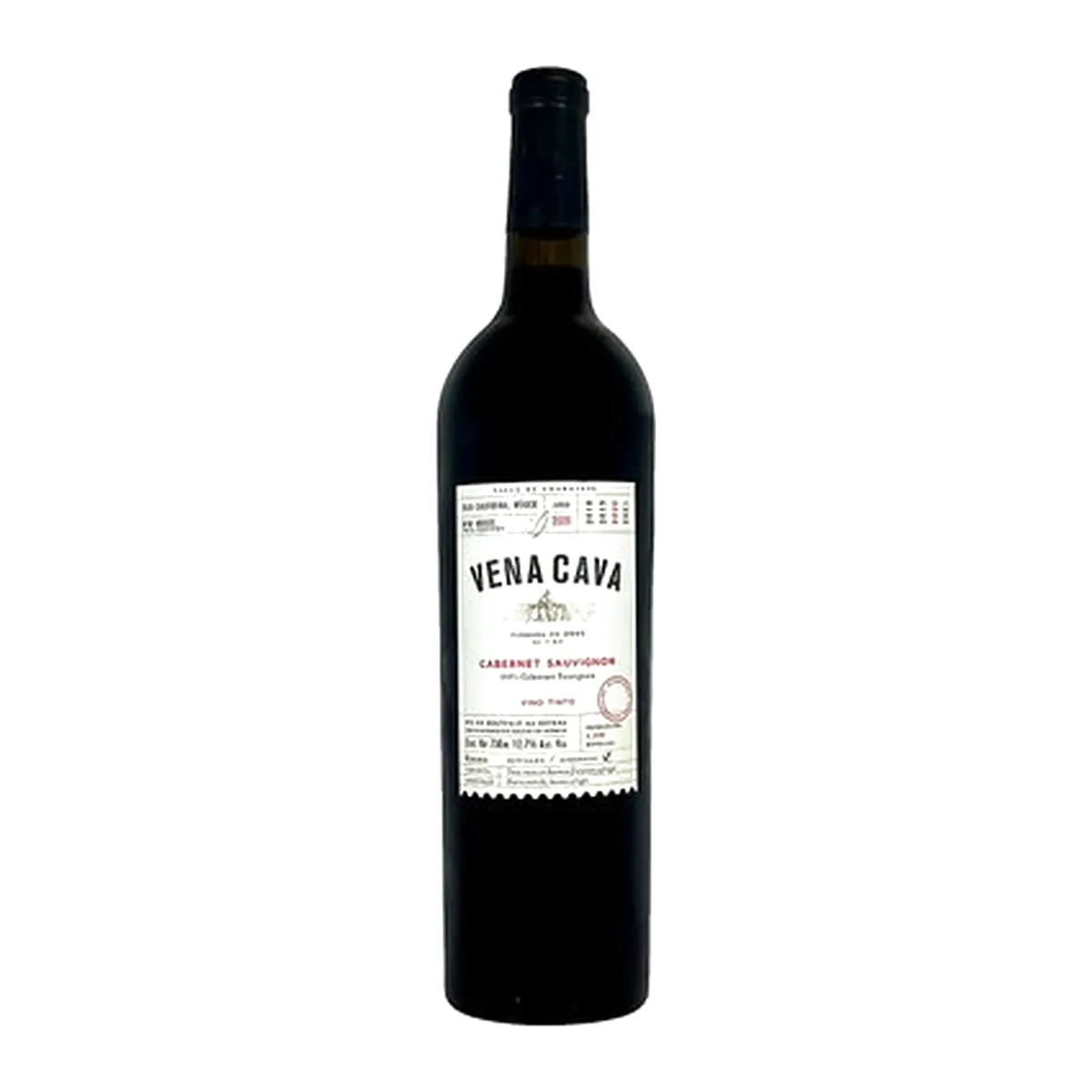 Vena Cava Cabernet750 ML$49.99Add to cart
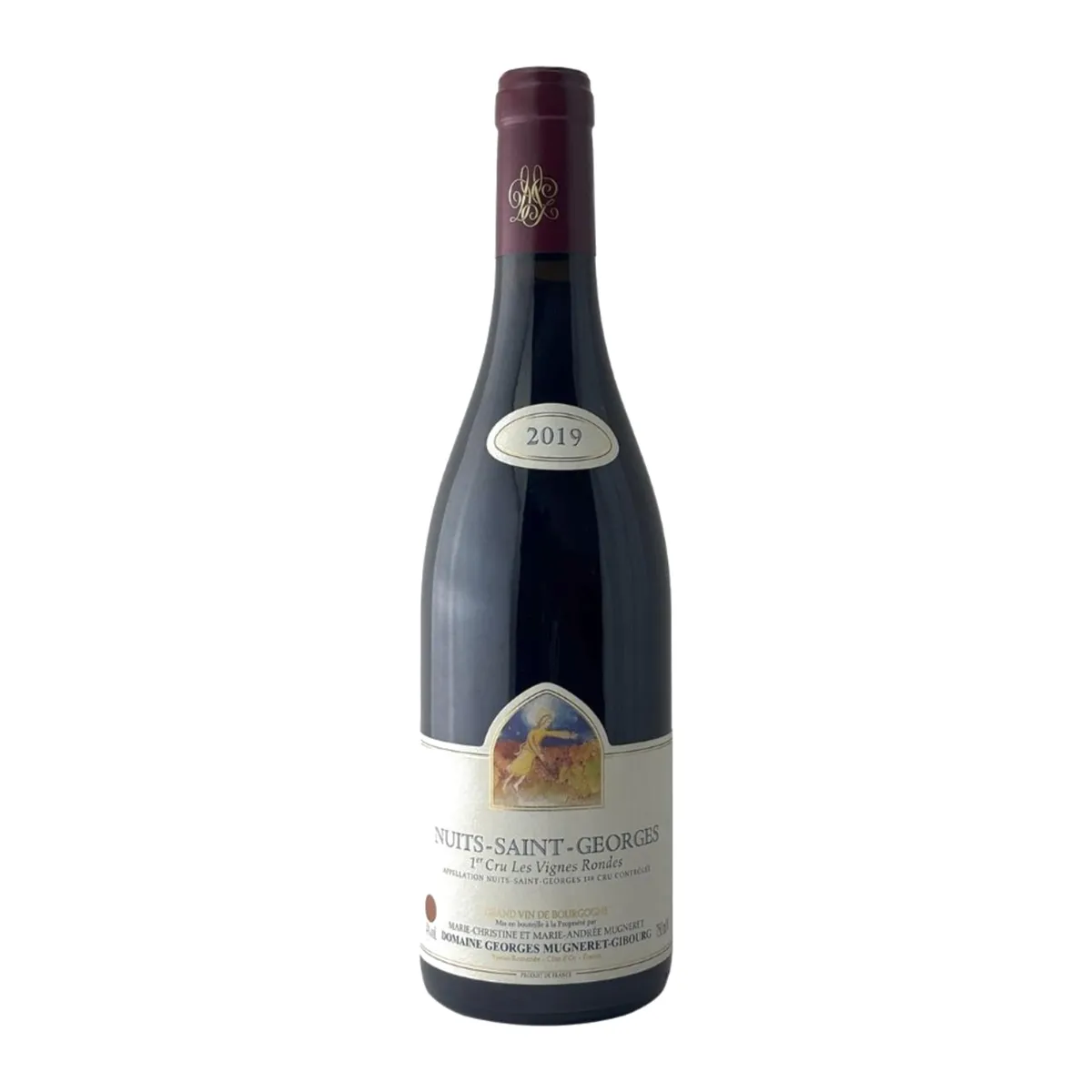 Nuits Domaine 2019750 ML$300.00Add to cart
The Wild Duck, a liquor store at 86 Massachusetts Ave in Boston, carries more than 4,500 products and more than 700 brands, with wine as one of its main categories. For organic or natural wine, you check each bottle's label for the producer's own wording, and this guide shows you how to read it.
Which Boston liquor store has a good selection of organic or natural wine?
The Wild Duck at 86 Massachusetts Ave in Boston is one place to look. We carry more than 4,500 products and more than 700 brands, and wine is one of our main categories. You can browse wine by style, with pages for red wine, white wine, rosé and sparkling wine.
If you would rather shop from home, our Boston delivery page explains how ordering works for the city. We also offer pickup and shipping alongside walking in.
The shop is rated above 4.5 out of 5 from more than 60 Google reviews. That is a rating of the shop as a whole, not a statement about any one style of wine.
Whether a bottle is organic, biodynamic or natural is something the producer states on the label, so the label is where you confirm it. The sections below show what each word means and where to find it.
What is natural wine, and how is it different from organic wine?
Organic wine is a farming claim. It means the grapes were grown under organic rules, which limit synthetic pesticides and fertilizers. The exact rules and the certification depend on the country, and in some places the wine itself has additional limits on what can be added.
Natural wine is a cellar claim, and it has no single legal definition. It usually means the grapes were farmed with care, picked by hand, fermented with the yeast already present, and bottled with little or no added sulfur and no heavy filtering. Because the term is informal, one producer's natural wine can differ from another's.
A wine can be organic and not natural, natural and not certified organic, or both. That is why the two words should not be treated as the same thing.
You may also see the phrases low-intervention or minimal-sulfite. These are producer descriptions rather than regulated terms, so they tell you what the maker says about the cellar work, not what a certifying body has checked.
What does biodynamic mean on a wine label?
Biodynamic is a farming approach that builds on organic methods. It treats the vineyard as one connected system and follows a calendar of vineyard tasks. Producers who use it often seek separate certification, and the label may carry a logo from a certifying body.
Like organic, biodynamic describes how the grapes were grown. It does not tell you how the wine was made in the cellar, so a biodynamic wine may or may not be a low-intervention wine.
If you see the word on a bottle, read the back label and the producer's name, and check what else it says. The label is the producer's own statement, and it is the most reliable place to start.
How can you tell which bottles are organic or natural?
Several terms sit side by side on bottles and shelf tags. Organic and biodynamic are tied to certification schemes that differ between the United States and Europe. Some wines are made from organically grown grapes without the certification, so the label may say only that.
A few habits help. Look for a certification logo, not only a word. Read the back label for farming or cellar notes. Check the producer's name, since many small producers explain their approach on their own materials.
When a bottle does not say, you cannot be sure from the shelf alone. The label and the producer are the sources to trust.
You can also ask us in the shop if you would like help reading a label. We can point you to the wording on the bottle, and you can compare a few bottles side by side before you choose.
Which natural wines are good for beginners?
Start with a style you already like, then read the labels in that style for farming notes. If you drink light reds, look at the Pinot Noir page. If you prefer crisp whites, the Sauvignon Blanc and Chardonnay pages are a place to begin.
Some natural-style wines come in forms you may not know. Orange wine is white grapes fermented with their skins, which gives more colour and a slightly grippy texture. Pét-nat, short for pétillant naturel, is a lightly sparkling wine bottled before its first fermentation finishes. These are general terms for how a wine is made, so read the label for the style name.
Choose one bottle at a time and note what you liked. That is a clear way to learn which style suits you.
Is natural wine cloudy, funky or faulty, and how should you store it?
Some natural wines look hazy because they were not filtered, and a little sediment at the bottom of the bottle is common. Neither is a fault. Some also smell more yeasty, fruity or tangy than a conventional wine, which can be part of the style.
A wine is faulty if it smells of wet cardboard, vinegar or nail polish remover, or if a still wine is unexpectedly fizzy. If you think a bottle has a problem, read our return policy and contact the shop.
For keeping, store bottles in a cool, dark place away from heat. Wines made with little added sulfur can be more delicate, so many people drink them sooner rather than keeping them for years.
Serve whites, rosés and orange wines lightly chilled, and reds slightly cooler than room temperature.
Is natural wine healthier?
We do not make health claims about wine, and neither organic nor natural on a label is a statement about health. Those words describe how the grapes were grown or how the wine was made.
Choose a wine for how it tastes. If you are 21 or older and you drink, do so in moderation.
Can you order wine for delivery in Boston, Cambridge and Brookline?
Yes. We offer delivery, pickup and shipping alongside walking in. We have delivery pages for Boston, Cambridge and Brookline, and a page on wine delivery in Boston.
Delivery runs Monday to Saturday from 9:30 AM to 10:30 PM and Sunday from 10:30 AM to 10:30 PM. Pickup runs Monday to Saturday from 9:00 AM to 11:00 PM and Sunday from 10:00 AM to 11:00 PM. Our in-store pickup page covers collecting an order at the shop.
If you order a bottle because of its organic or natural wording, read the label wording shown on the product page before you buy.
Where is The Wild Duck and when can you visit?
The Wild Duck is at 86 Massachusetts Ave, Boston, MA 02117. The shop is open Monday to Saturday from 10:00 AM to 11:00 PM and Sunday from 11:00 AM to 11:00 PM.
Bring a bottle's label question with you, or the style of wine you usually drink, and we can help you compare bottles on the shelf. For general questions about orders and the shop, our frequently asked questions page is also there.
Common questions
Which Boston liquor store has a good selection of organic or natural wine?
The Wild Duck at 86 Massachusetts Ave in Boston carries more than 4,500 products and more than 700 brands, with wine as one of its main categories. Check each bottle's label for the organic, biodynamic or natural wording the producer uses.
How is natural wine different from organic wine?
Organic describes how the grapes were farmed, under rules that vary by country. Natural describes cellar work, has no single legal definition, and usually means little added or removed.
How can I tell if a bottle is organic or natural?
Look for a certification logo and read the back label for farming or cellar notes. If the bottle does not say, ask us in the shop and we can help you read the label.
Can I order wine for delivery in Boston, Cambridge or Brookline?
Yes, we offer delivery, pickup and shipping. Delivery runs Monday to Saturday from 9:30 AM to 10:30 PM and Sunday from 10:30 AM to 10:30 PM.
Is natural wine healthier?
We make no health claims about wine. Organic and natural describe how the grapes were grown or the wine was made, so choose a wine for how it tastes.