Port we stock
In stock now, at today’s prices. Order online for pickup, delivery or shipping.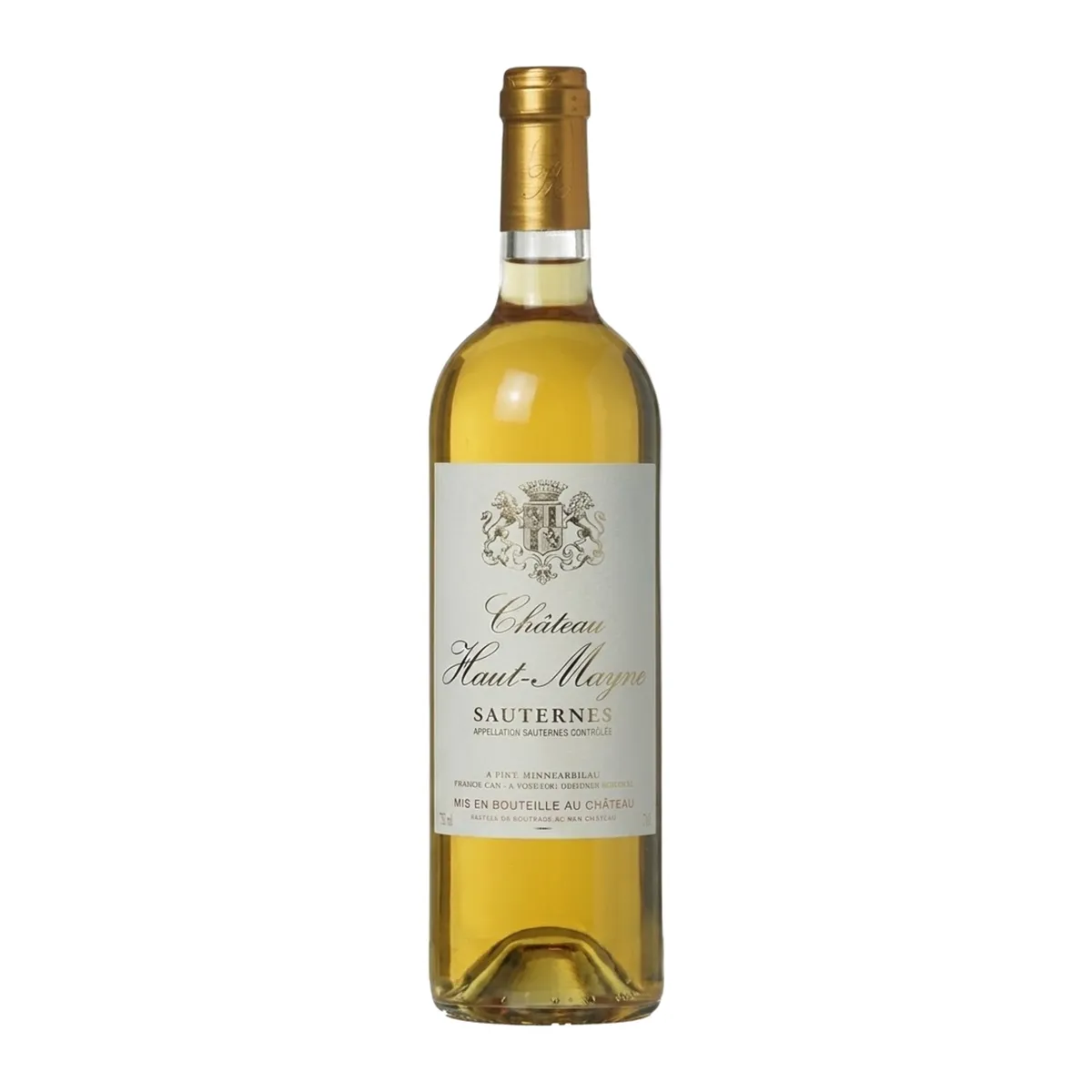
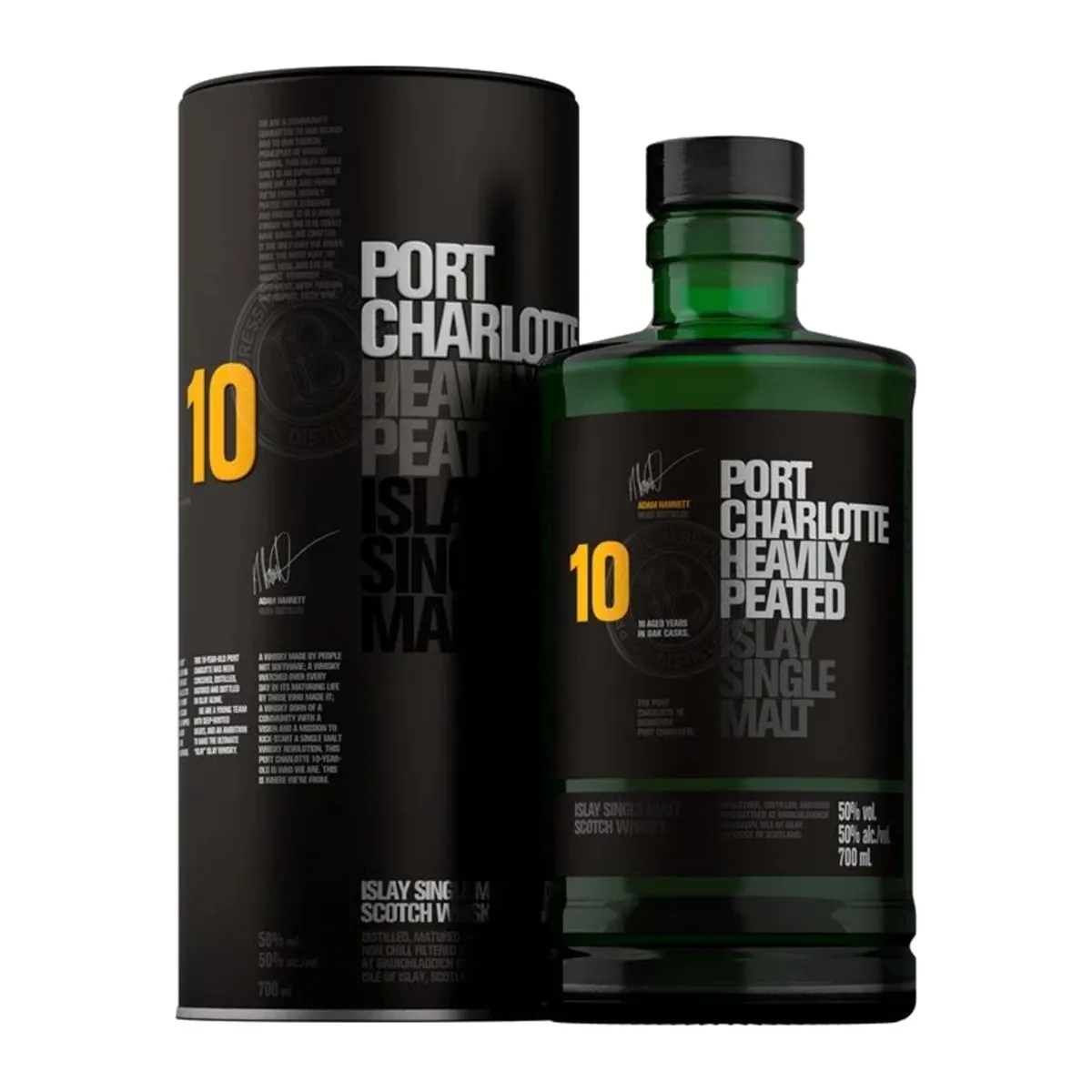
Port is a fortified wine, which means a spirit is added during fermentation, while most dessert wines get their sweetness from ripe or concentrated grapes alone. At The Wild Duck in Boston we stock a Fruit / Dessert Wine section, and this guide explains how the styles differ, how to choose between them and how to serve them.
What is the difference between port and dessert wine?
Port is one kind of dessert wine, made sweet and strong by fortification. A neutral grape spirit is added while the wine is still fermenting, which stops the yeast, leaves natural sugar in the wine and raises the alcohol to roughly 20 percent. Port comes from the Douro Valley in Portugal.
Other dessert wines reach their sweetness a different way. Grapes may be left on the vine to ripen further, affected by a particular mould that concentrates the sugar, dried after picking, or frozen before pressing. No spirit is added, so these wines are usually lighter in alcohol than port.
That difference shapes how you use them. Fortified wines are rich, warm and made for slow sipping in small pours. Unfortified dessert wines are often brighter and more fragrant, with acidity that keeps the sweetness fresh.
If you want to browse what we carry in the sweet category, start with our Fruit / Dessert Wine page.
What is the difference between tawny port and ruby port?
Ruby port is aged briefly and kept fruit-forward, while tawny port is aged longer in wooden barrels and tastes nutty and caramel-like. The names describe colour: ruby stays deep red, and tawny fades to amber as air reaches the wine through the wood over the years.
Ruby port tastes of red and black fruit, such as cherry and plum, with a rounded, straightforward sweetness. Tawny port shows dried fruit, roasted nuts, toffee and orange peel. Tawny bottles often carry an age statement such as 10 or 20 years, which is an average of the wines blended together, not the age of the youngest wine in the bottle.
Vintage port is a third style, made only in years the producers judge exceptional. It spends a short time in barrel, then ages in the bottle, and it throws sediment, so it needs decanting.
For the fortified styles we carry, see our fortified wine page. Stock in that section changes, so the page shows what is on the shelf at the time you look.
What types of dessert wine are there?
The main types are fortified wines, botrytised wines, late harvest wines, ice wines, lightly sparkling sweet wines and straw wines. Each gets its sugar in a different way, and knowing the method tells you a lot about the taste.
Fortified wines include port, sweet sherry and Madeira. Botrytised wines, such as Sauternes, are made from grapes affected by noble rot, which concentrates sugar and adds notes of honey and apricot. Late harvest wines come from grapes left on the vine well past the normal picking date. Ice wine is made from grapes frozen on the vine and pressed while frozen.
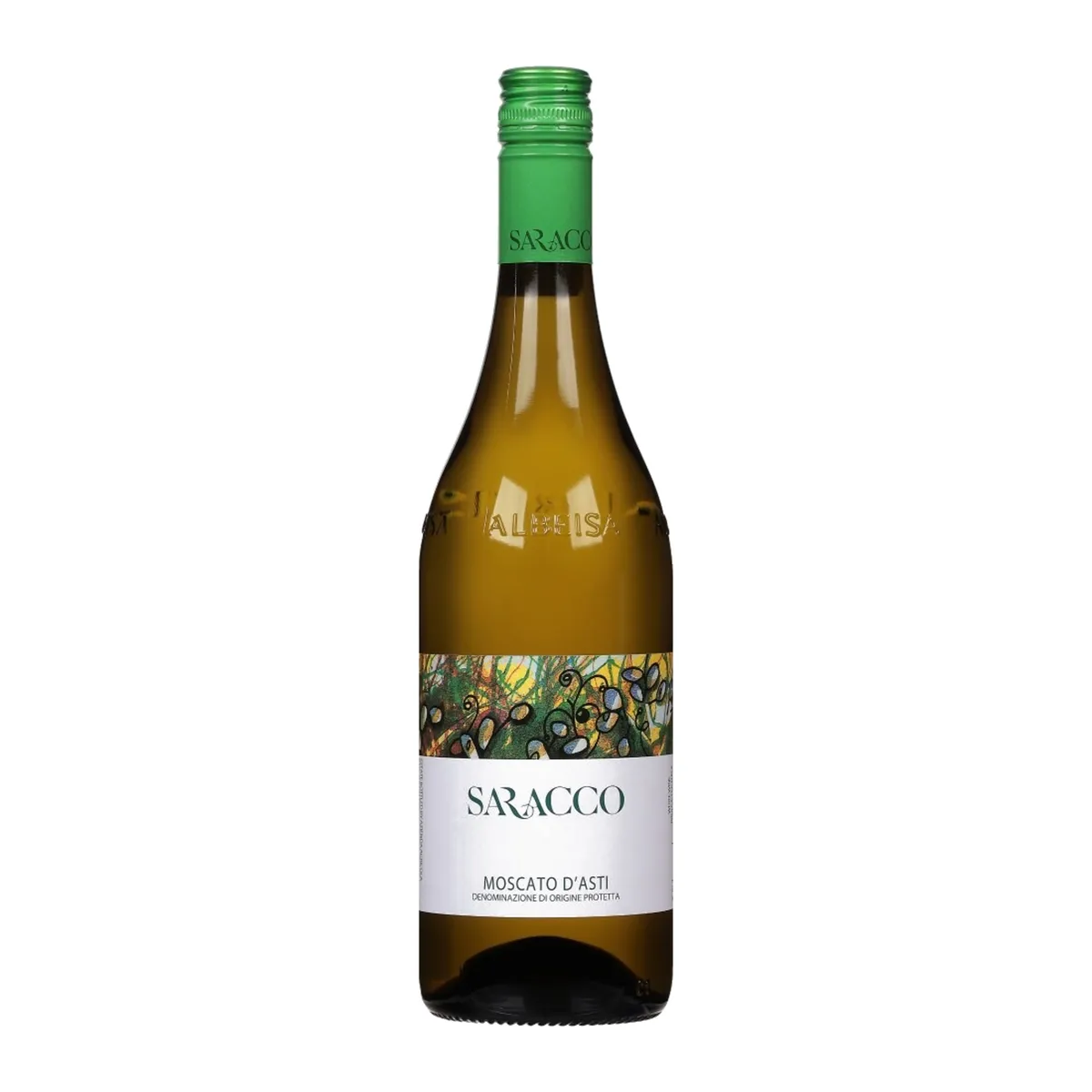
Lightly sparkling sweet wines, such as Moscato d'Asti, are low in alcohol and taste of peach and orange blossom. Straw wines are made from grapes dried on mats before pressing, which gives a dense, raisined sweetness.
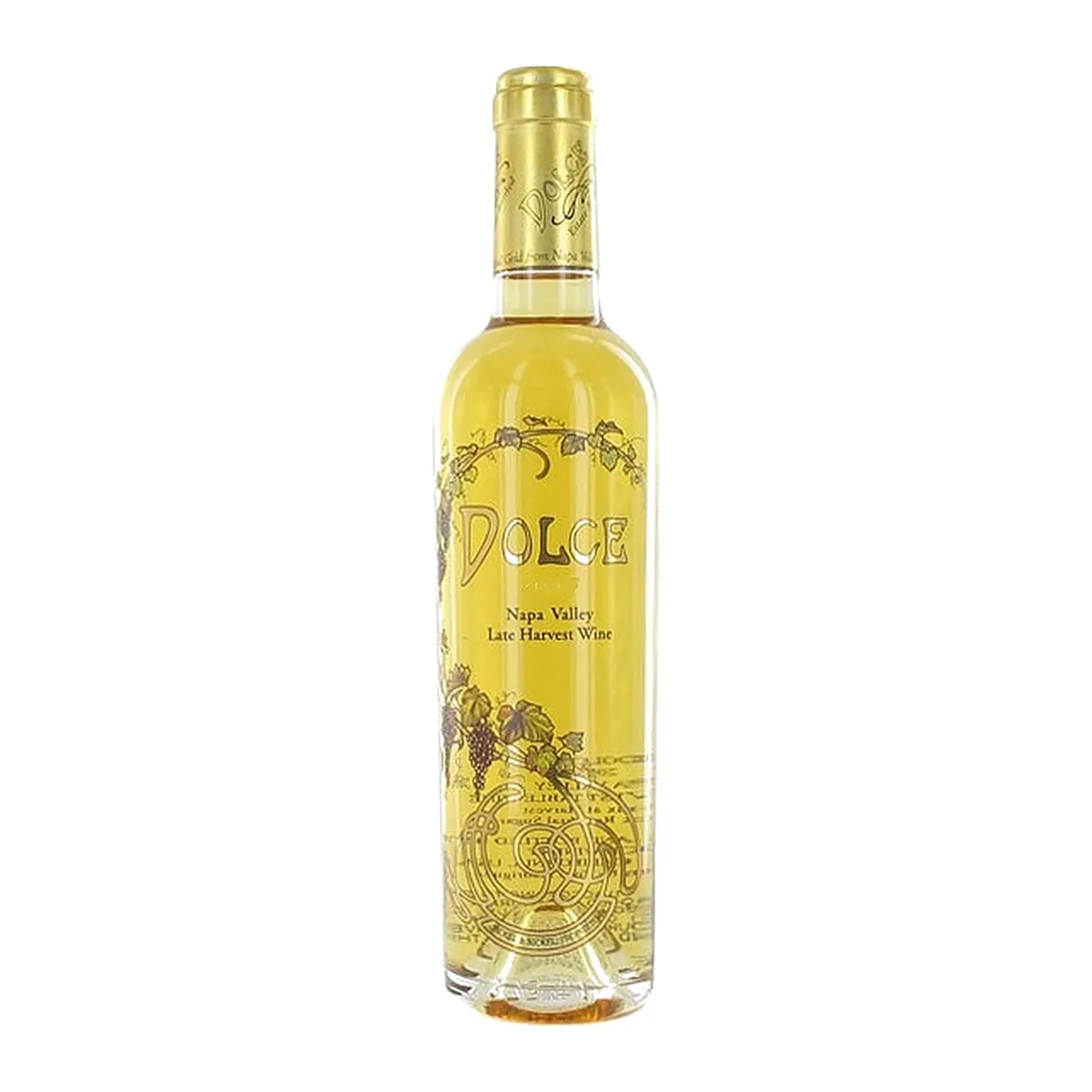
Three of these styles appear in our range as individual bottles: Haut-Mayne Sauternes, Dolce Late Harvest 2014 and Saracco Moscato Dasti.
How do I choose between a sweet and a drier dessert wine?
Choose by what you will eat with it and how sweet you want the last glass of the evening to be. A very sweet wine suits a plain or lightly sweet dessert, while a lighter, more acidic sweet wine suits fruit or a cheese course.
Sauternes is a good example of a sweet wine with balance. It is rich, but its acidity stops it from feeling heavy, which is why it works with blue cheese, foie gras and fruit tarts. A Moscato d'Asti is a gentler choice for a light finish, and its low alcohol and gentle fizz suit fruit and simple cakes.
A late harvest wine sits in between. The grapes are ripe and concentrated, and the result is usually fuller than a Moscato and less syrupy than the richest fortified bottles. Our Dolce Late Harvest 2014 is one to look at if you want a vintage-dated sweet wine.
A useful rule is that the wine should be at least as sweet as the dessert. If it is not, the wine tastes thin and sour next to the food.
How should I serve port and dessert wine?
Serve dessert wines in small glasses and pour small amounts, because they are sweet and in many cases strong. A pour of about 2 to 3 ounces is usual.
Temperature matters. Sauternes, late harvest wines and Moscato d'Asti taste best well chilled, around 45 to 50 degrees Fahrenheit, which keeps the sweetness lively. Ruby port is usually served slightly cool to room temperature. Tawny port is often served a little cooler than a table red, and many people like it lightly chilled.
Opened bottles last differently. Unfortified dessert wines are best finished within a few days, kept in the refrigerator with the cork or a stopper in place. Port, because of its higher alcohol, keeps longer once opened: tawny and ruby stay in good condition for a few weeks, while vintage port should be finished within a few days.
Pairing is simple. Tawny port goes with nuts, caramel and hard cheese, ruby port with dark chocolate and berries, and Sauternes with blue cheese or fruit desserts. For chocolate ideas, see our guide to chocolate and drinks to pair in Boston.
Can I order dessert wine from The Wild Duck for pickup, delivery or shipping?
Yes. The Wild Duck, in Boston, offers pickup, delivery and shipping in addition to walking in. You can order online and collect at the shop, or have an order brought to you in our delivery area, which includes Boston, Cambridge and Brookline.
Our Liquor Delivery in Boston page explains how Boston delivery works, and there are separate pages for Cambridge and Brookline. Delivery runs Monday to Saturday from 9:30 AM to 10:30 PM and Sunday from 10:30 AM to 10:30 PM.
Pickup details are on our in-store pickup page. Pickup hours are Monday to Saturday from 9:00 AM to 11:00 PM and Sunday from 10:00 AM to 11:00 PM.
Dessert wine bottles are fragile and heavy for their size, so if you are sending one as a gift, our holiday gift guide is a useful place to start.
What ID do I need to buy wine in Massachusetts?
You must be 21 or older and show a valid government-issued photo ID, such as a driver's license, a passport or a state ID card. The ID must be current, since expired identification is not accepted for alcohol.
The same rule applies at the door for pickup and on delivery, where the person receiving the order must be 21 or older and show ID. Please have it ready when you collect or when your order arrives.
You can find more answers on ordering and collection on our frequently asked questions page.
Where is The Wild Duck and when is it open?
The Wild Duck is at 86 Massachusetts Ave, Boston, MA 02117. The shop is open Monday to Saturday from 10:00 AM to 11:00 PM and on Sunday from 11:00 AM to 11:00 PM.
We stock more than 4,500 products from more than 700 brands, across wine, liquor, beer, ready-to-drink, mixers and snacks. Our Google rating is above 4.5 from more than 60 reviews.
If you are choosing between styles, you can pick up the bottle and the food to go with it in one visit. The snacks section covers the savory side, and the wine section covers the rest of the shelf.
Common questions
What is the difference between tawny port and ruby port?
Ruby port is aged briefly and tastes of red and black fruit, while tawny port is aged longer in wood and tastes of nuts, caramel and dried fruit. Tawny is amber in colour and ruby stays deep red.
What types of dessert wine are there?
The main types are fortified wines such as port, botrytised wines such as Sauternes, late harvest wines, ice wines, lightly sparkling sweet wines such as Moscato d'Asti and straw wines. Each gets its sugar by a different method.
What ID do I need to buy wine in Massachusetts?
You must be 21 or older and show a valid government-issued photo ID, such as a driver's license, passport or state ID. This applies in the shop, at pickup and on delivery.
Can I order wine from The Wild Duck for delivery?
Yes, we offer delivery in Boston, Cambridge and Brookline, as well as pickup and shipping. The Liquor Delivery in Boston page explains how to order.
How long does an opened bottle of dessert wine keep?
Unfortified dessert wines are best finished within a few days and kept in the refrigerator. Tawny and ruby port keep for a few weeks once opened, but vintage port should be finished within a few days.