In stock at The Wild Duck Liquor Store
In stock now, at today’s prices. Order online for pickup, delivery or shipping.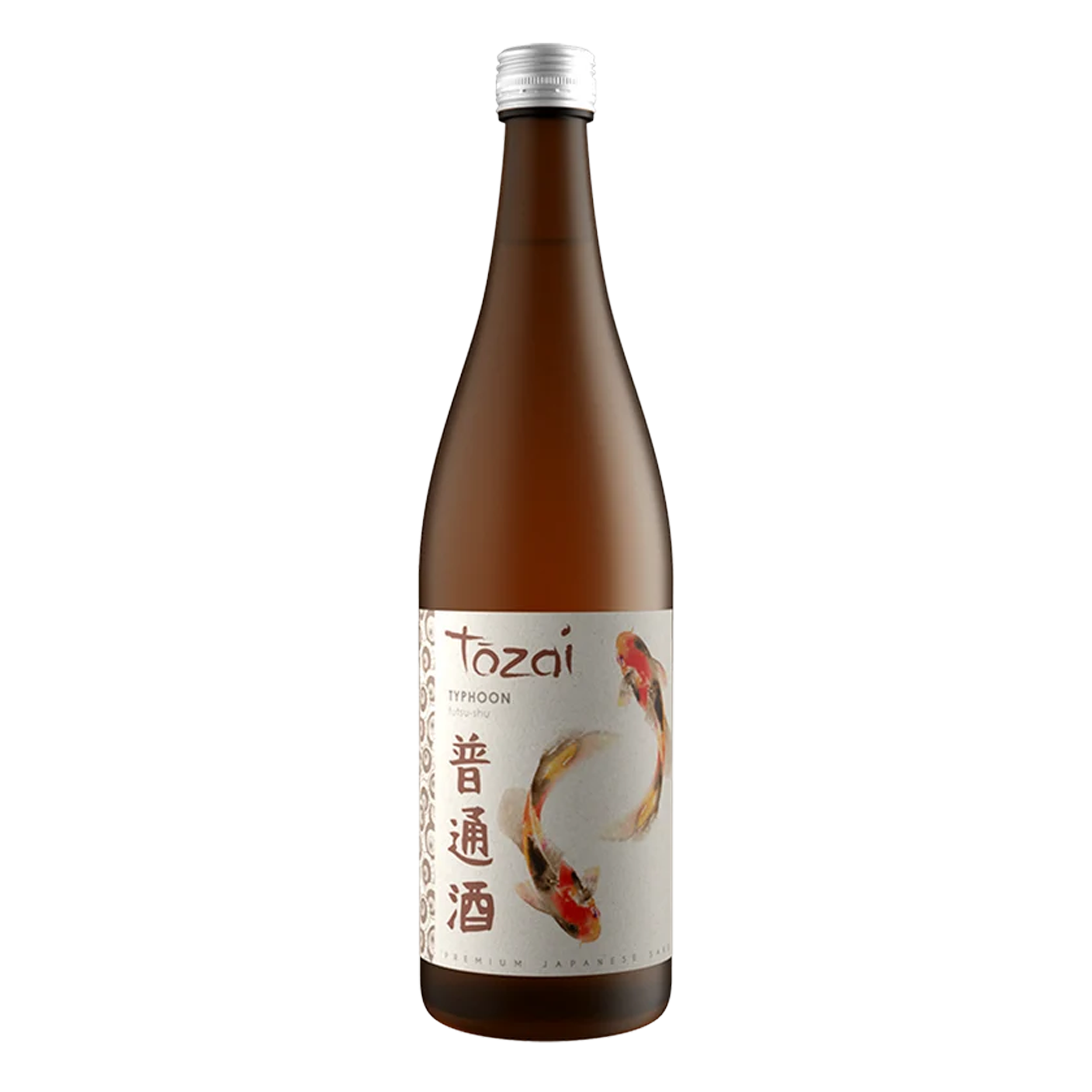 TOZAITyphoon Sake720 ML$17.99Add to cart
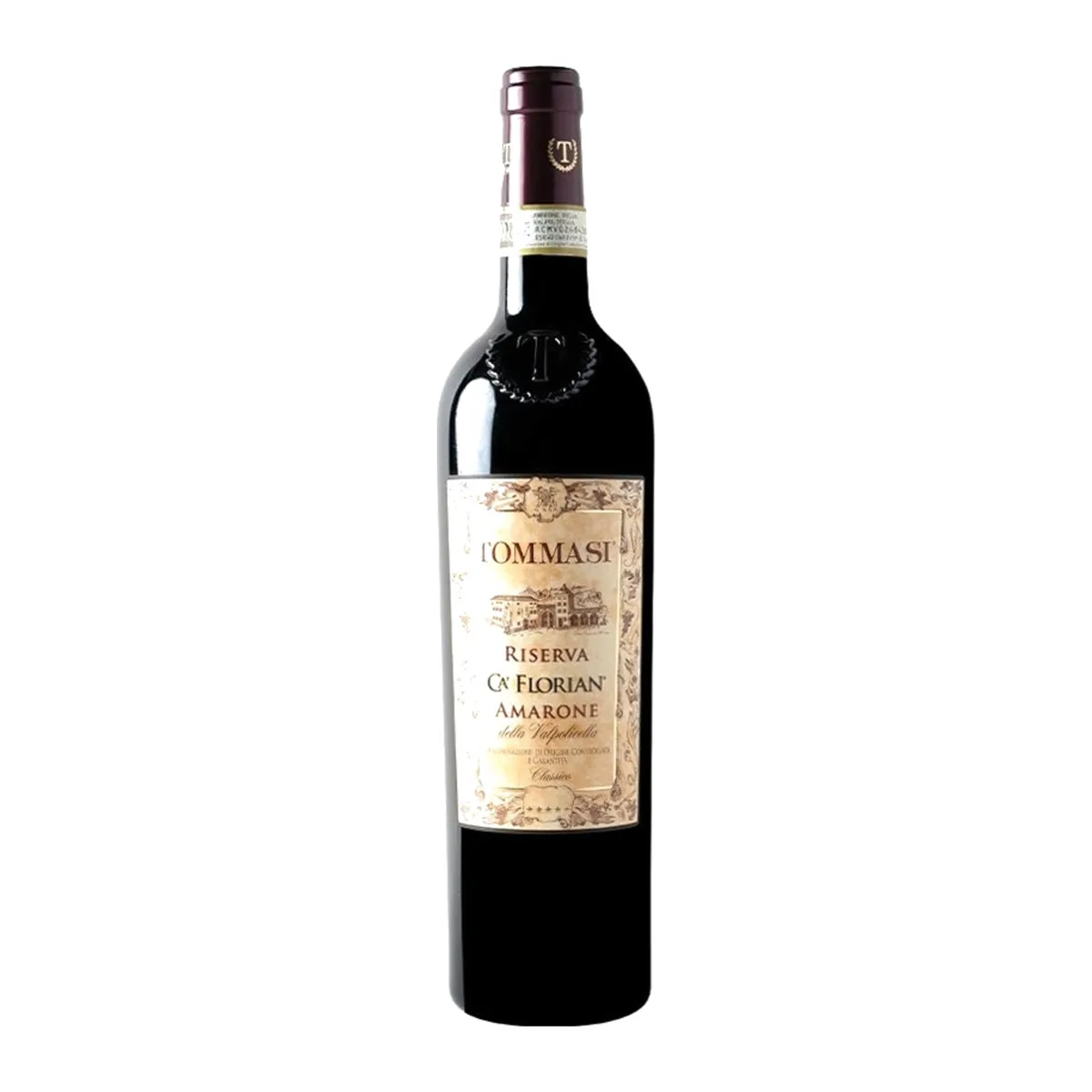 Amarone Riserva Classico750 ML$230.00Add to cart
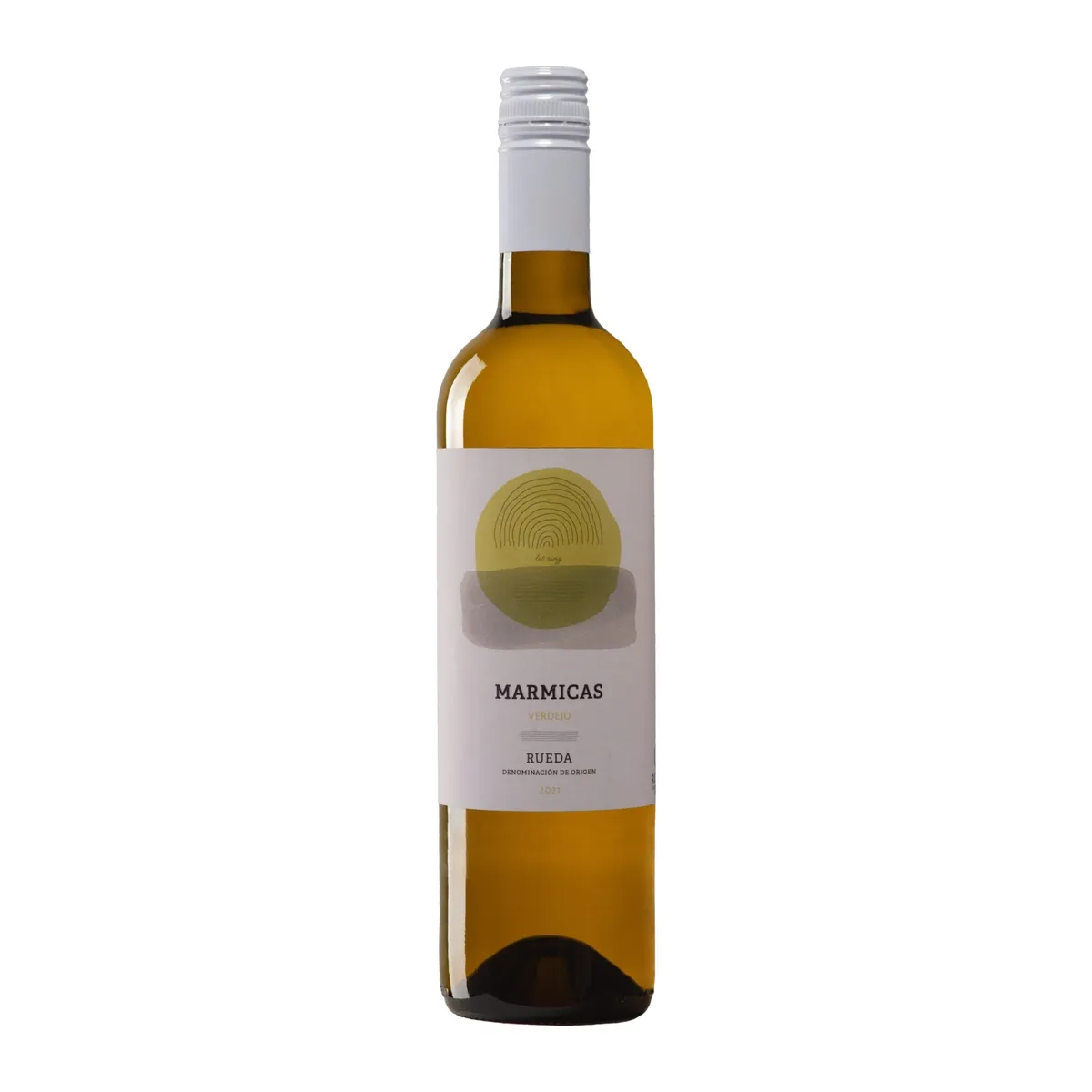 MarmicasVerdejo750 ML$18.99Add to cart
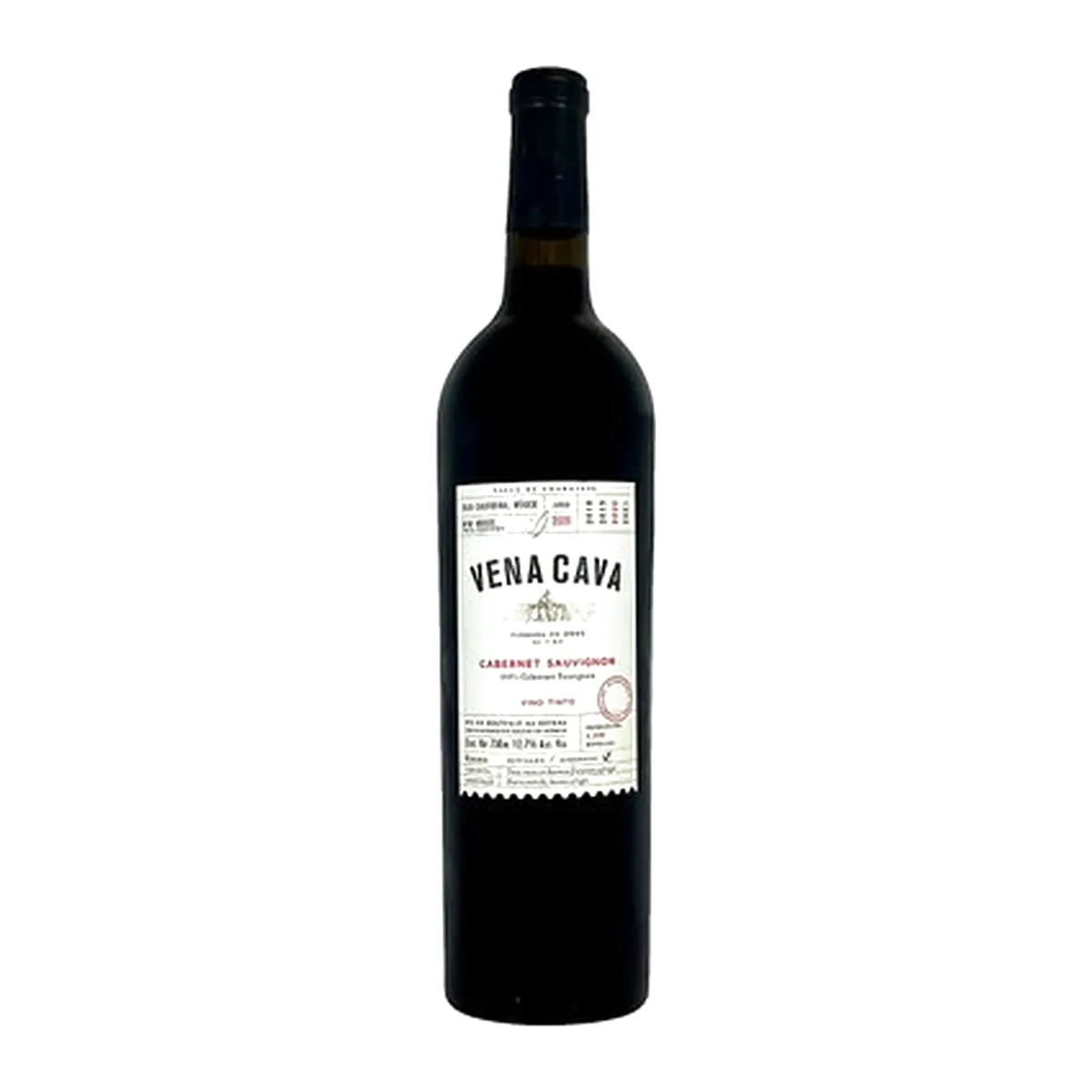 Vena Cava Cabernet750 ML$49.99Add to cart
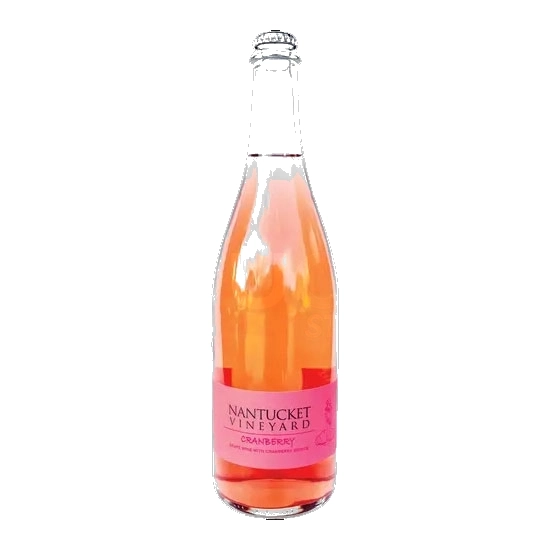 NANTUCKETCranberry4 Pack$11.99Add to cart
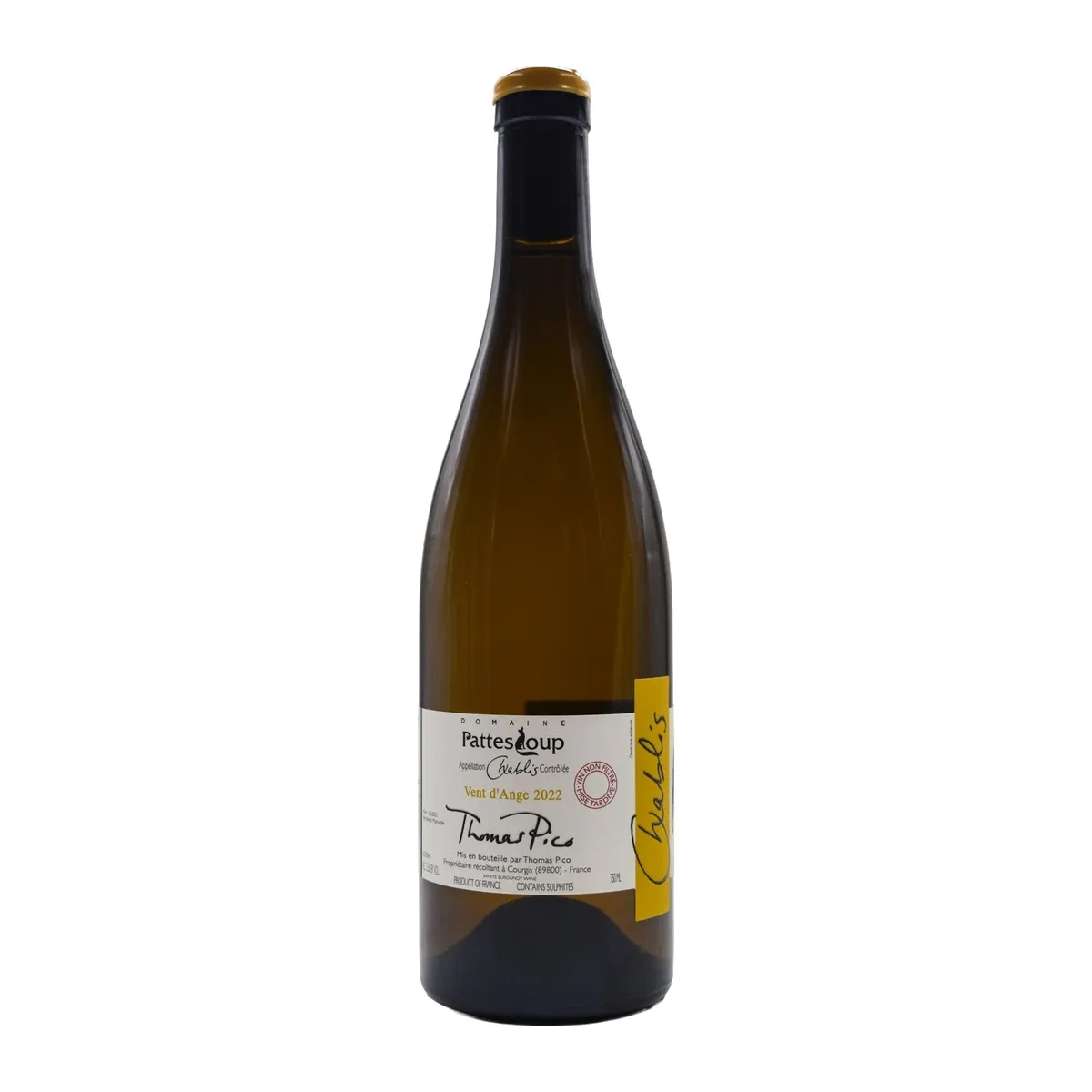 Thomas Picqout Chablis750 ML$49.99Add to cart
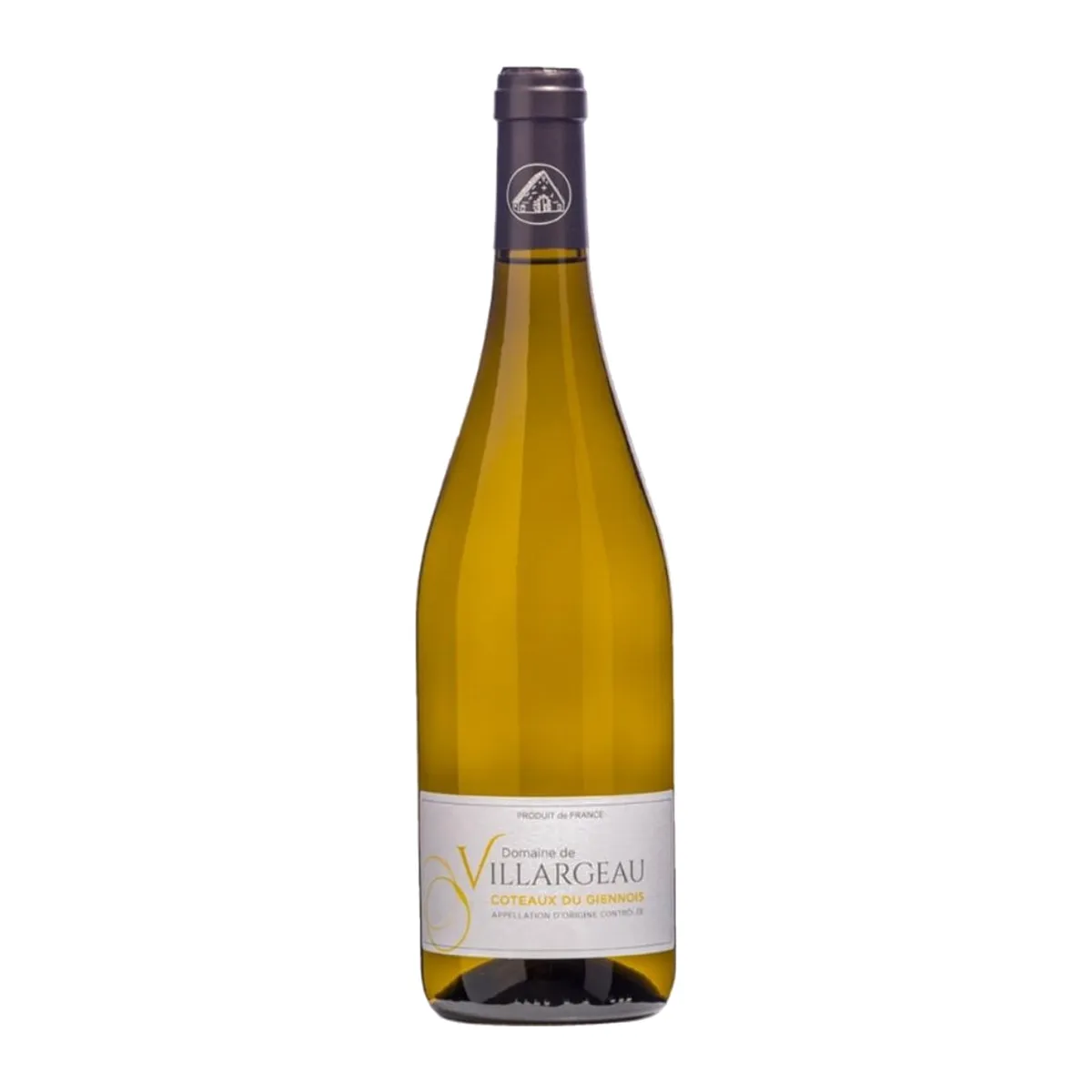 Villargeau Giennois Blanc750 ML$24.99Add to cart
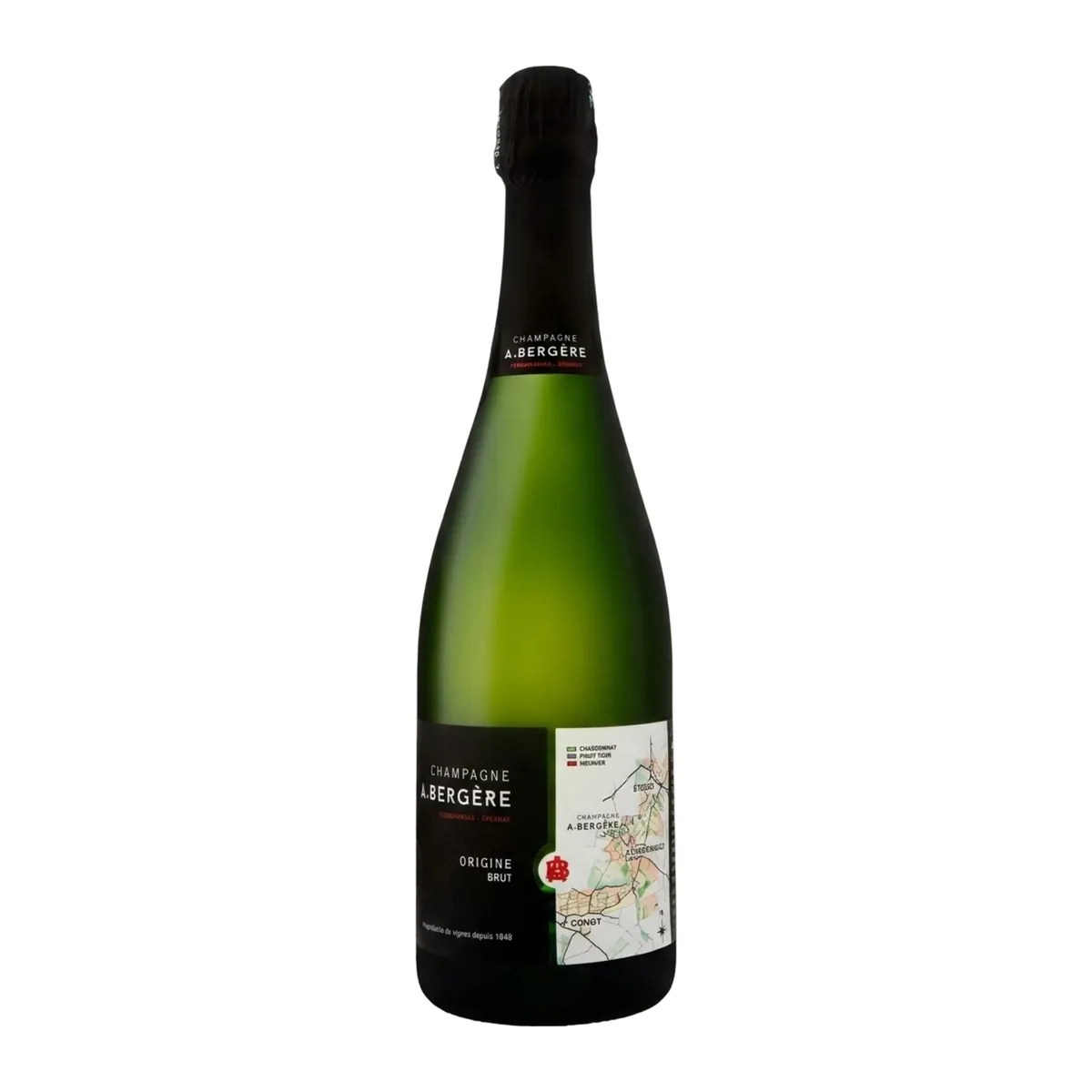 A.Bergere Champagne750 ML$64.99Add to cart
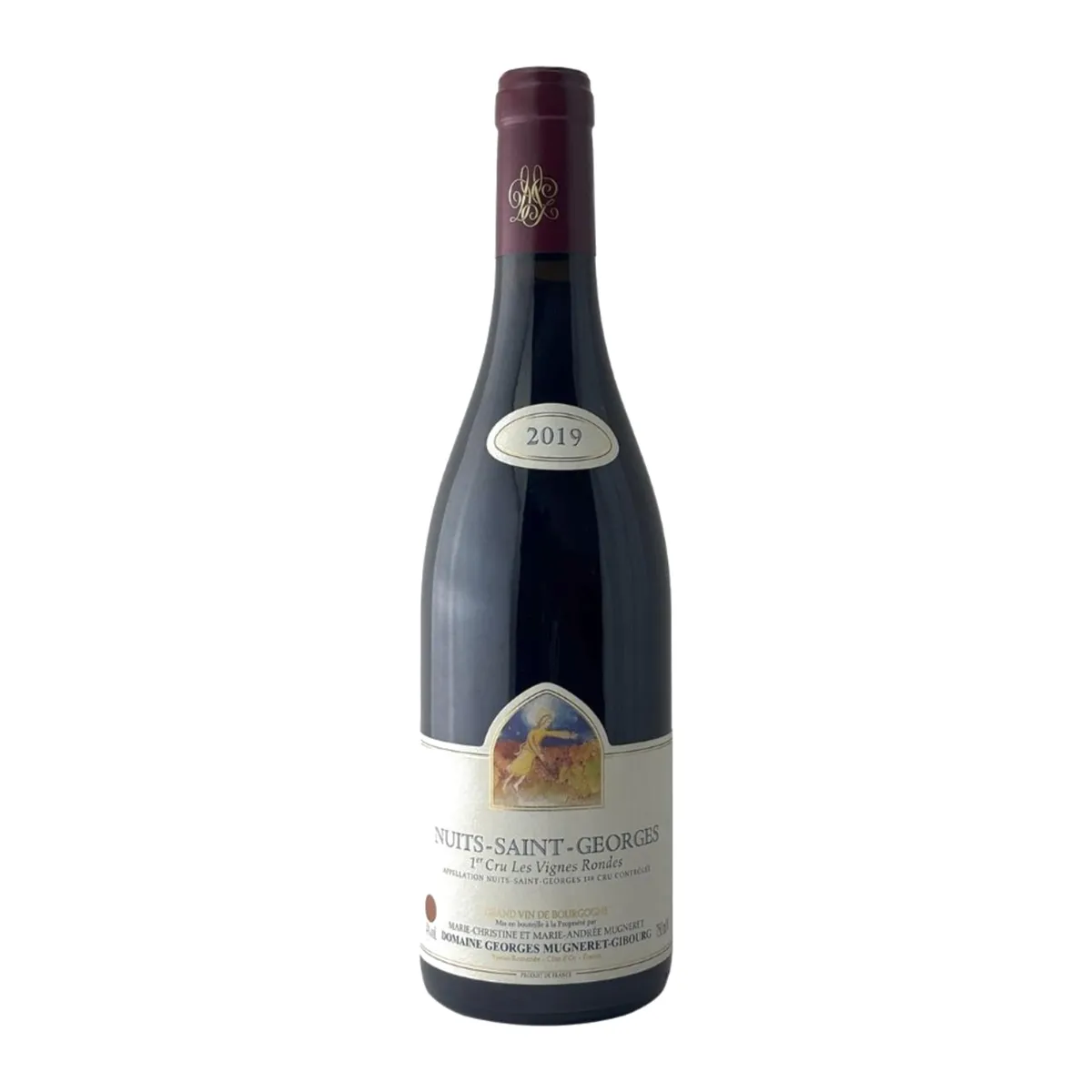 Nuits Domaine 2019750 ML$300.00Add to cart
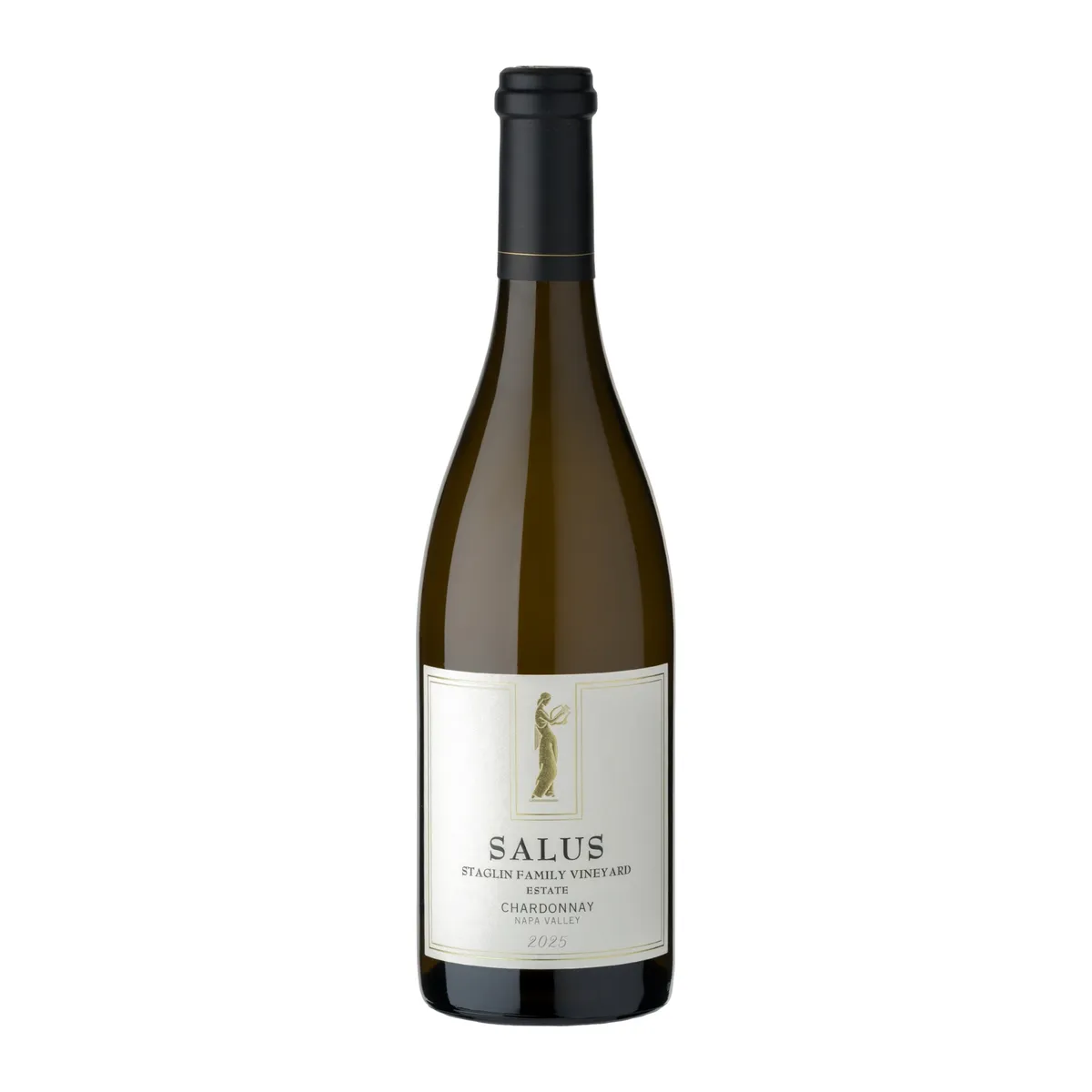 Salus Staglin Family Chardonna750 ML$79.99Add to cart
The Wild Duck, a liquor store at 86 Massachusetts Ave in Boston, lists its wines online, so check the wine pages for the Spanish bottles and sherry on offer today. This guide covers the regions and sherry styles worth knowing, so you can read a listing and tell whether it is the bottle you want.
Which Boston liquor store has a good selection of Spanish wine and sherry?
The Wild Duck is a liquor store at 86 Massachusetts Ave in Boston, with more than 4,500 products and more than 770 brands across the shop. It is rated above 4.5 out of 5 from more than 60 Google reviews. Those are shop-wide figures, so they do not describe the Spanish bottles on any one day.
The wine pages show what is listed now. Check them for the Spanish region or sherry style you want, and if a bottle is listed, you can order it for delivery, shipping or pickup. Our Boston liquor delivery page is the place to look if you plan to have an order brought to you.
Stock changes, so check on the day you plan to order.
How do I check whether The Wild Duck lists the Spanish wine or sherry I want?
Start with the wine category, then narrow to red wine, white wine, sparkling wine or rosé. Search the pages for a region or style by name, such as Rioja, Albariño, Fino or Oloroso.
On a Spanish bottle, the label usually names the region, the grape and an aging term such as Crianza or Reserva. A listing that carries those details is simple to judge against what you have in mind.
If a bottle is listed, you can order it. If you would rather talk it through, you can ask the team at the shop. The address and hours are at the end of this guide.
Which Spanish wine regions should I know?
Four regions cover most of what you will see on a label: Rioja, Ribera del Duero, Rías Baixas and Rueda. Knowing the style each one makes lets you choose from a listing without tasting notes.
Rioja is Spain's best-known red region. Its reds are mostly Tempranillo, often blended with Garnacha. The aging terms matter: Crianza spends less time in barrel and bottle than Reserva, and Reserva less than Gran Reserva. Younger wines are fruitier, while longer-aged ones are softer and more savory.
Ribera del Duero also uses Tempranillo, but the wines tend to be darker and firmer. Rías Baixas, on the Atlantic coast in Galicia, is the home of Albariño, a crisp white with citrus and stone-fruit character. Rueda makes fresh white wines from Verdejo, a grape that gives green herbal notes.
Priorat, in Catalonia, makes concentrated reds from old Garnacha and Cariñena vines. For Spanish sparkling wine, Cava is the style, and our guide to Cava covers how to choose one.
What are the main styles of sherry?
Sherry comes in five main styles: Fino, Manzanilla, Amontillado, Oloroso and Pedro Ximénez. All are made in the area around Jerez in southern Spain, and they run from bone dry to very sweet.
Fino and Manzanilla are the lightest and driest. They age under a layer of yeast called flor, which keeps them pale and gives a nutty, salty edge. Manzanilla comes from the coastal town of Sanlúcar de Barrameda and is often a little more delicate.
Amontillado begins life as a Fino, then continues aging with air, which makes it amber and richer while it stays dry. Oloroso ages without flor and is darker and fuller, with walnut and dried fruit notes. Pedro Ximénez, often shortened to PX, is made from sun-dried grapes and is very sweet, with raisin and molasses flavor. Cream sherry is a sweetened blend, usually built on Oloroso.
The label tells you the style. If a listing only says sherry, look for one of those five words.
How do I choose between dry and sweet sherry?
Choose by when you will drink it: Fino or Manzanilla before a meal, Amontillado or Oloroso with the main course or on its own, and Pedro Ximénez or cream sherry after dinner.
If you have never tried sherry, Fino or Manzanilla is a sensible place to start because it is dry, light and close to a crisp white wine in weight. If you like whiskey or a full red, Oloroso is the closer match, since it is dry but rich and nutty. Pedro Ximénez suits dessert and is often poured over vanilla ice cream.
Serving matters too. Fino and Manzanilla are served chilled, like a white wine, and are best finished within a few days of opening, kept in the refrigerator. Amontillado and Oloroso are served cool or at a light room temperature, and they hold up longer once opened. Pedro Ximénez is usually served lightly chilled in a small glass.
What food goes well with sherry and Spanish wine?
Spanish wine and sherry were made to sit alongside food, and the classic matches are simple: dry sherry with salty snacks, Albariño with seafood, Rioja with roasted meat, and sweet sherry with dessert.
For tapas and cured meats, Fino and Manzanilla work well with olives, almonds, Manchego and jamón. Their dryness and salty edge cut through rich, fatty bites. Rioja Crianza suits chorizo, grilled sausages and roast chicken.
For seafood, Albariño from Rías Baixas is the natural choice for shrimp, clams, mussels and grilled fish. Rueda works for lighter dishes such as salads and shellfish. Amontillado is a good match for mushrooms and soups.
For cheese and dessert, Oloroso goes with aged cheeses, and Pedro Ximénez goes with blue cheese, almond cake or chocolate. Our page on chocolate and drink pairings has more ideas, and the snacks category is a place to look when you put together a tapas board.
Can I order Spanish wine online for delivery, shipping or pickup in Boston?
Yes. The Wild Duck offers delivery, shipping and pickup, so a bottle listed on the wine pages can be ordered by one of those routes.
Delivery covers Boston, Cambridge and Brookline, and each has its own page: Boston, Cambridge and Brookline. Our page on wine delivery in Boston and the Wine for Delivery in Boston collection are good places to start.
Delivery runs Monday to Saturday from 9:30 AM to 10:30 PM and Sunday from 10:30 AM to 10:30 PM. Pickup runs Monday to Saturday from 9:00 AM to 11:00 PM and Sunday from 10:00 AM to 11:00 PM. Our page on in-store pickup in Boston covers collecting an order.
Where is The Wild Duck, and when can I visit to ask about Spanish wine and sherry?
The Wild Duck is at 86 Massachusetts Ave, Boston, MA 02117. The shop is open Monday to Saturday from 10:00 AM to 11:00 PM and Sunday from 11:00 AM to 11:00 PM.
If you are choosing between sherry styles or Spanish regions, you can ask the team in the shop for a recommendation. It helps to say what you plan to serve and whether you prefer dry or sweet wines.
Our frequently asked questions page covers other points about ordering from us.
Common questions
Which Boston liquor store has a good selection of Spanish wine and sherry?
The Wild Duck, at 86 Massachusetts Ave in Boston, lists its wines online and holds more than 4,500 products shop-wide. Check the wine pages for the Spanish bottles and sherry listed today, and order what you find.
What are the main styles of sherry?
The five main styles are Fino, Manzanilla, Amontillado, Oloroso and Pedro Ximénez. They run from bone dry to very sweet, and the label names the style.
Which Spanish wine regions should I know?
Rioja and Ribera del Duero are known for Tempranillo reds. Rías Baixas makes Albariño, Rueda makes Verdejo whites, and Priorat makes concentrated Garnacha-based reds.
Can I order Spanish wine online for delivery, shipping or pickup in Boston?
Yes, The Wild Duck offers delivery, shipping and pickup for bottles listed on its wine pages. Delivery covers Boston, Cambridge and Brookline.
What food goes well with sherry and Spanish wine?
Fino and Manzanilla suit olives, almonds and cured meats, and Albariño suits seafood. Rioja suits roasted meat, and Pedro Ximénez suits blue cheese or dessert.