Sparkling Wine we stock
In stock now, at today’s prices. Order online for pickup, delivery or shipping.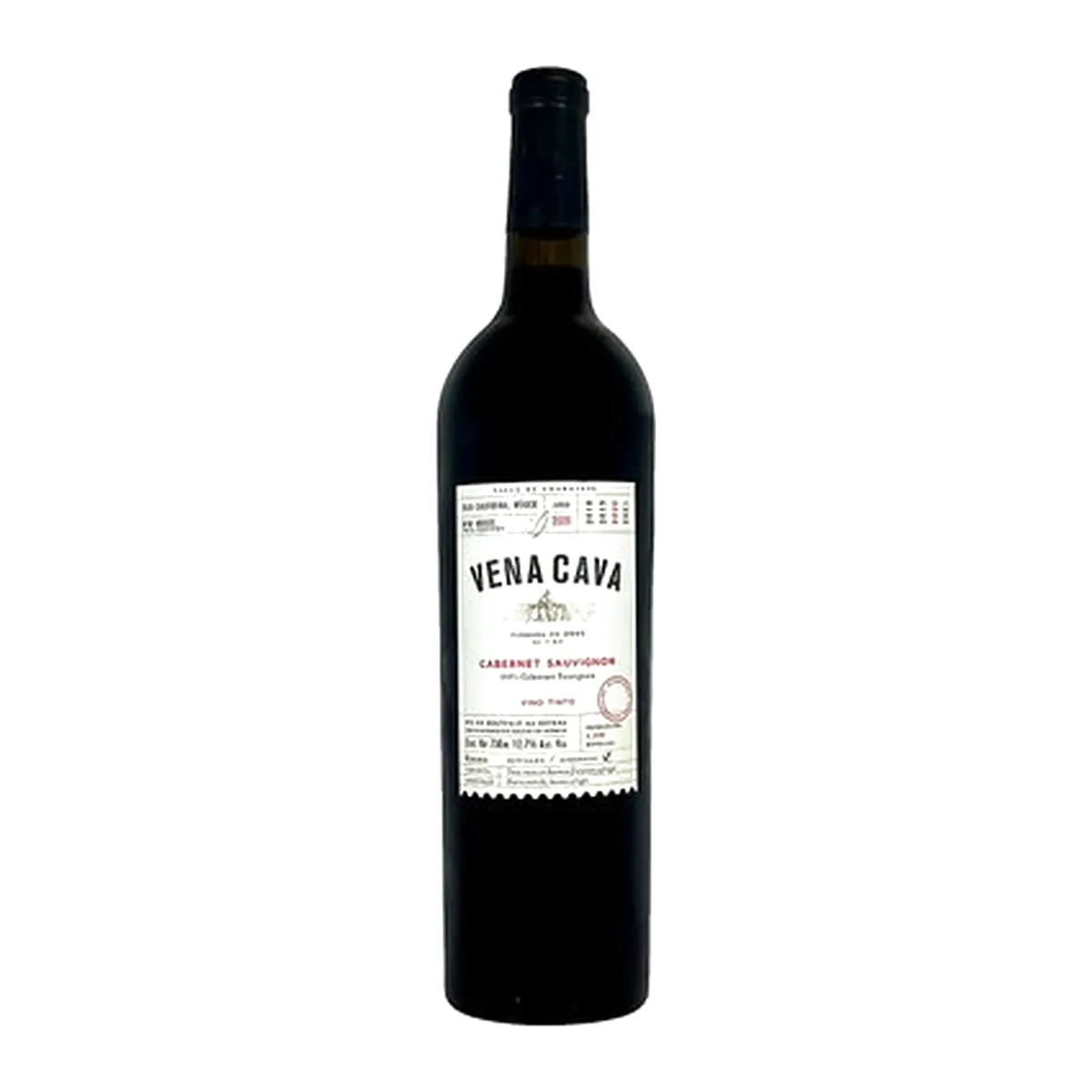 Vena Cava Cabernet750 ML$49.99Add to cart
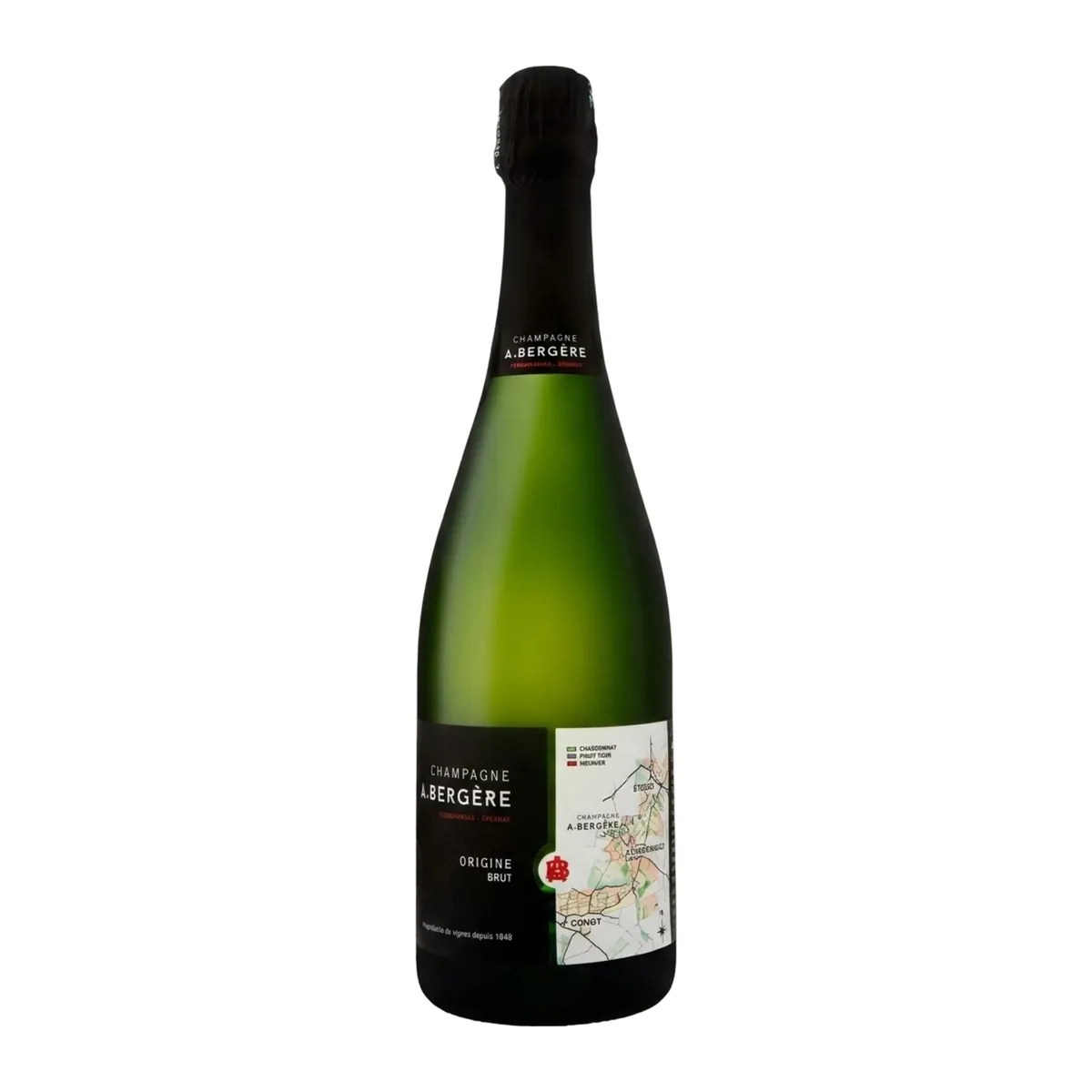 A.Bergere Champagne750 ML$64.99Add to cart
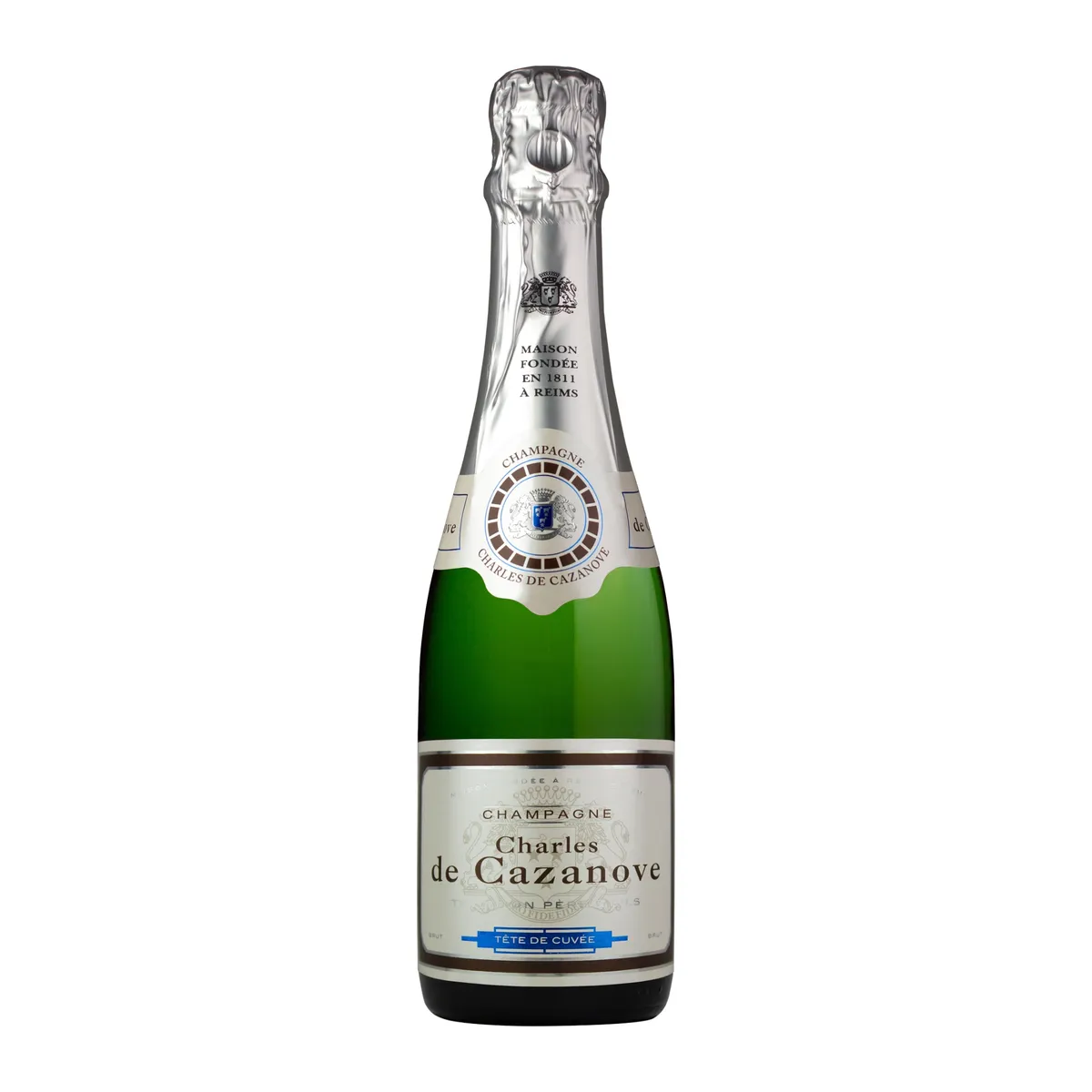 Charles De Cazanove Brut750 ML$42.99Add to cart
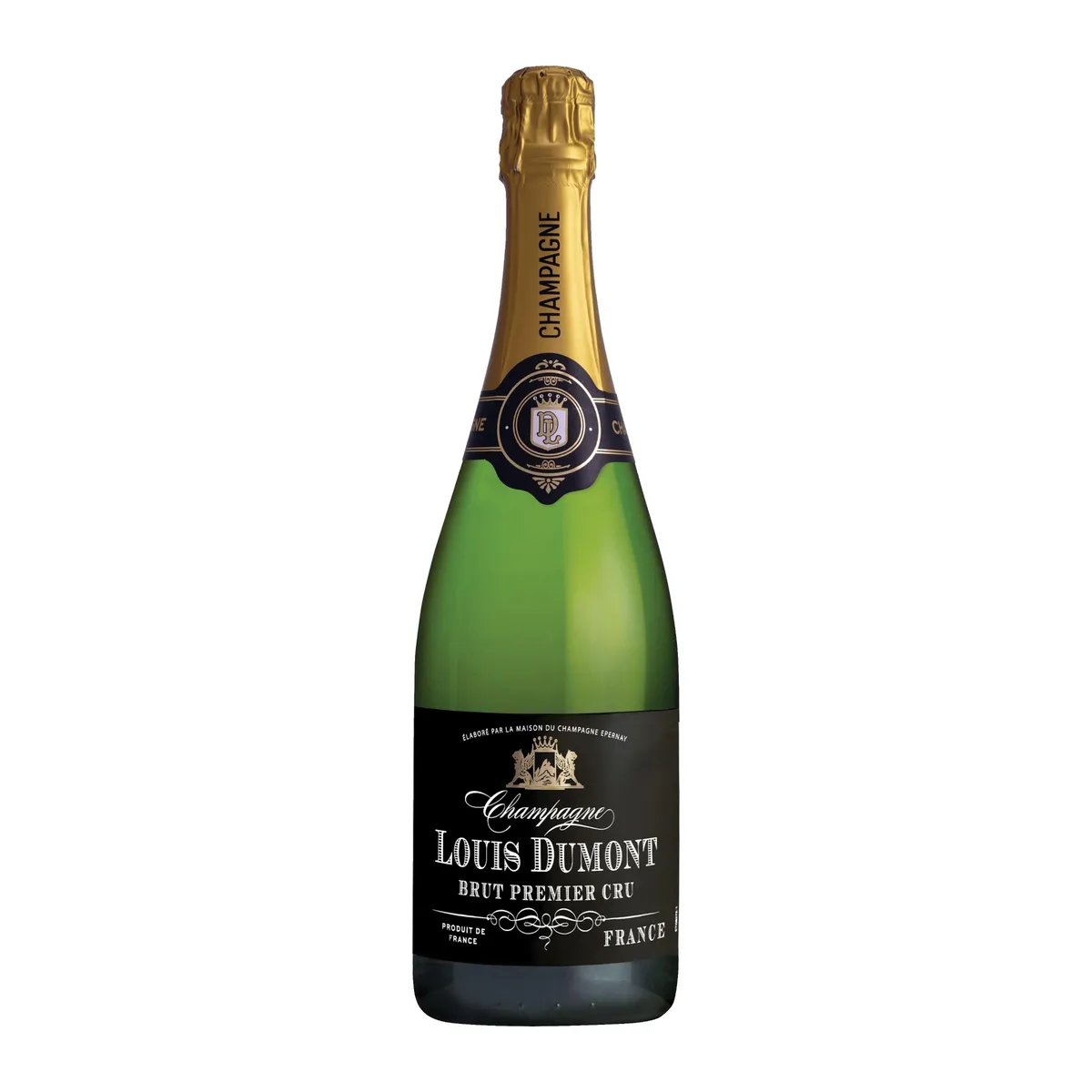 Louis Dumont Cru Brut750 ML$44.99Add to cart
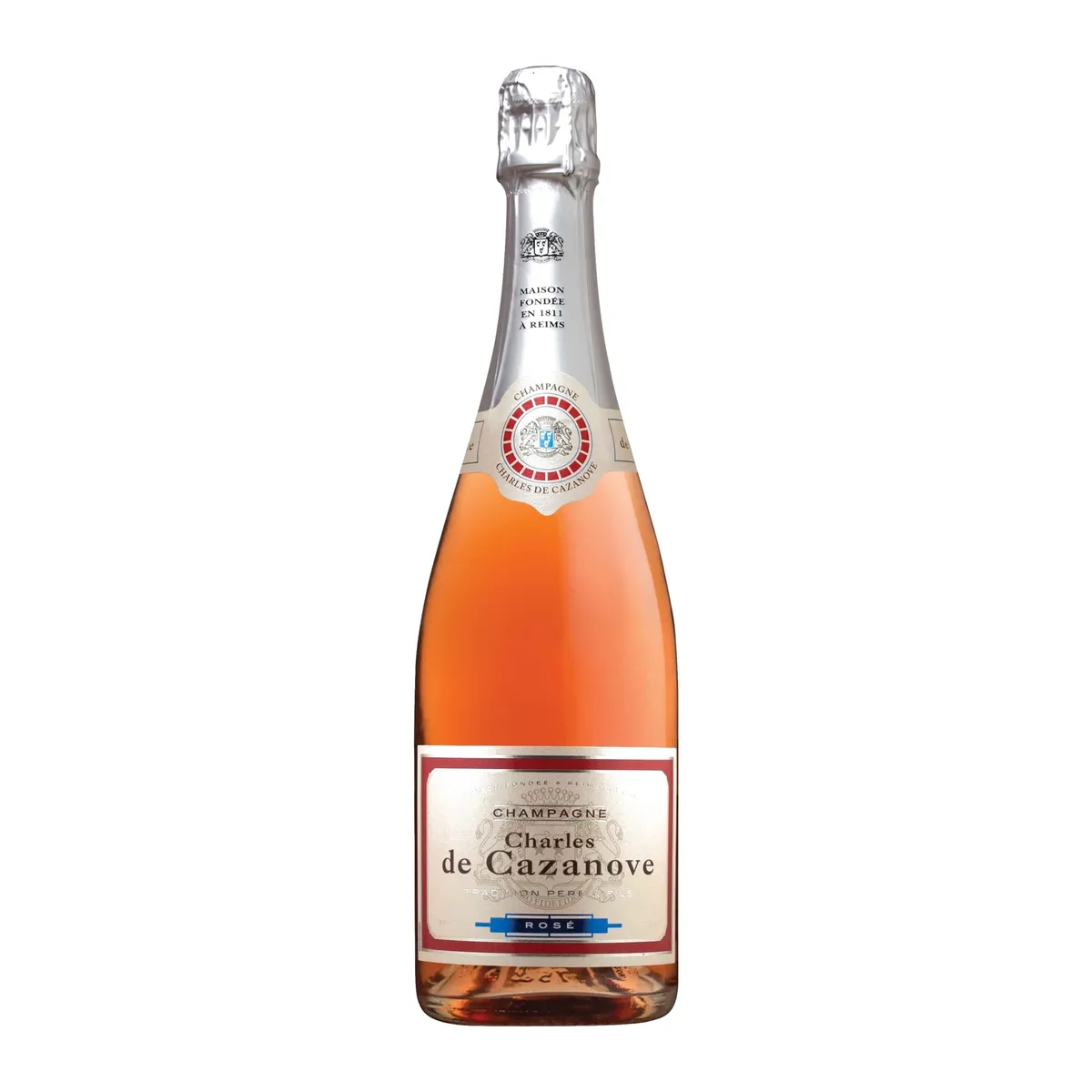 Charles De Cazanove Rose Brut750 ML$42.99Add to cart
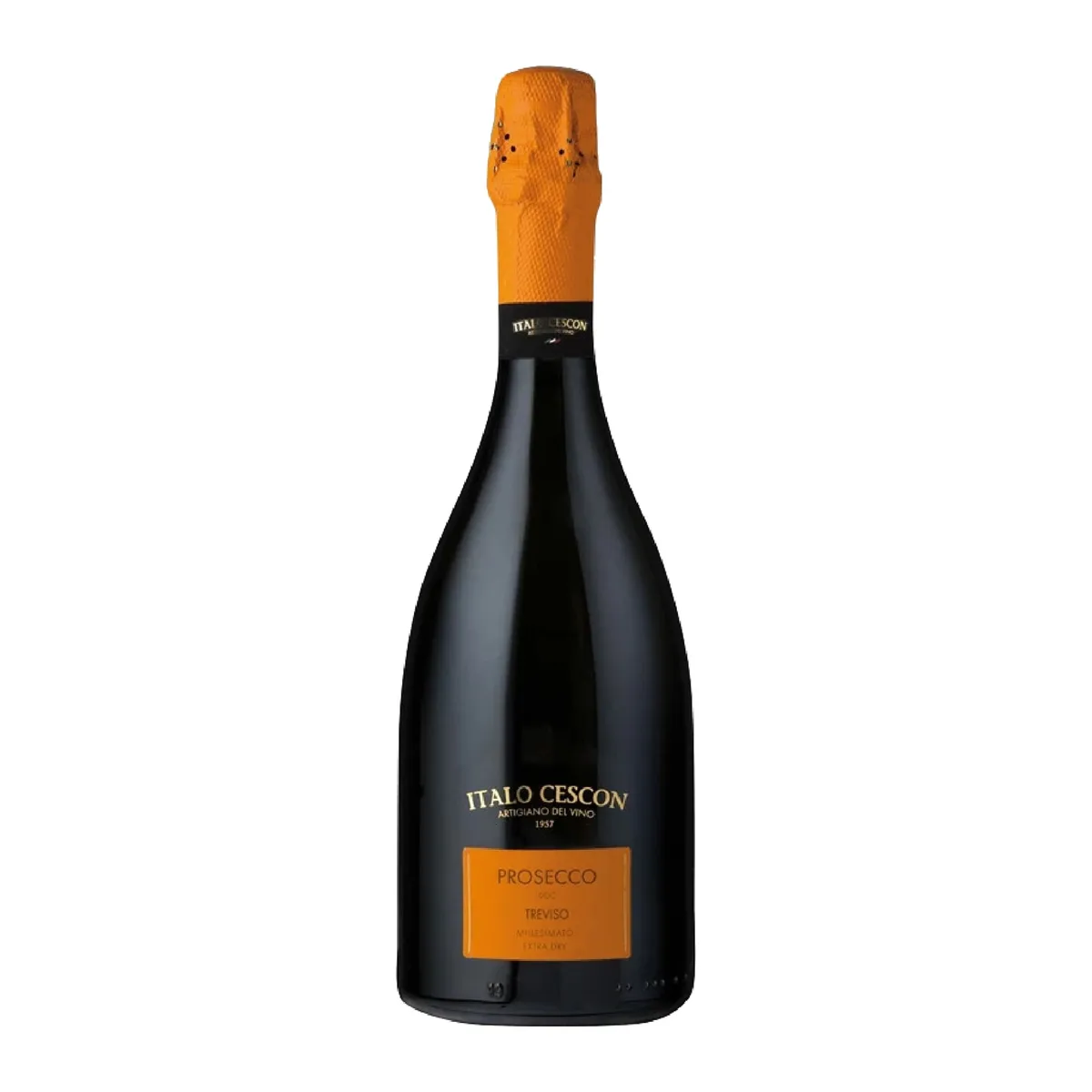 Italo Cescon Prosecco750 ML$19.99Add to cart
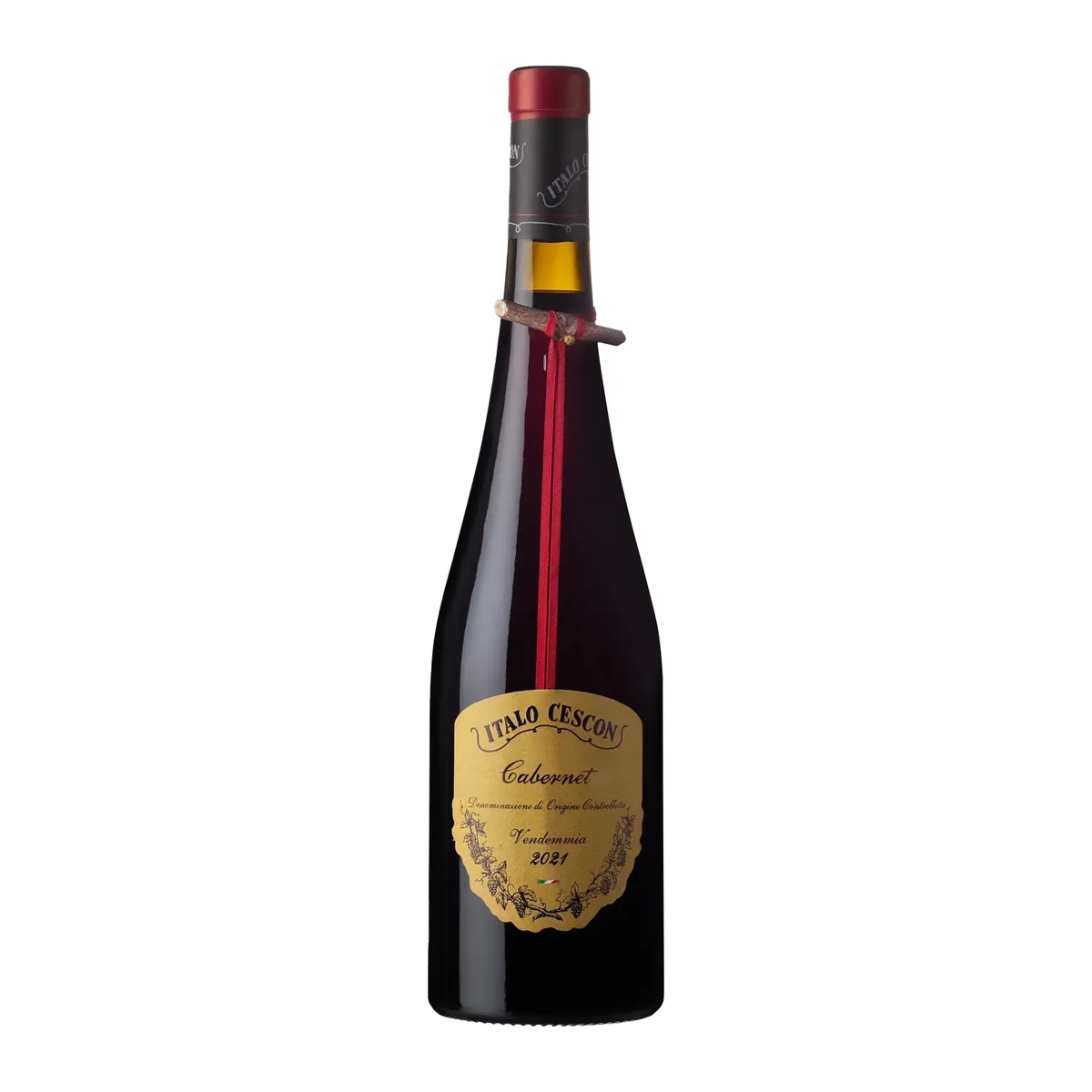 Italo Cescon Cabernet750 ML$19.99Add to cart
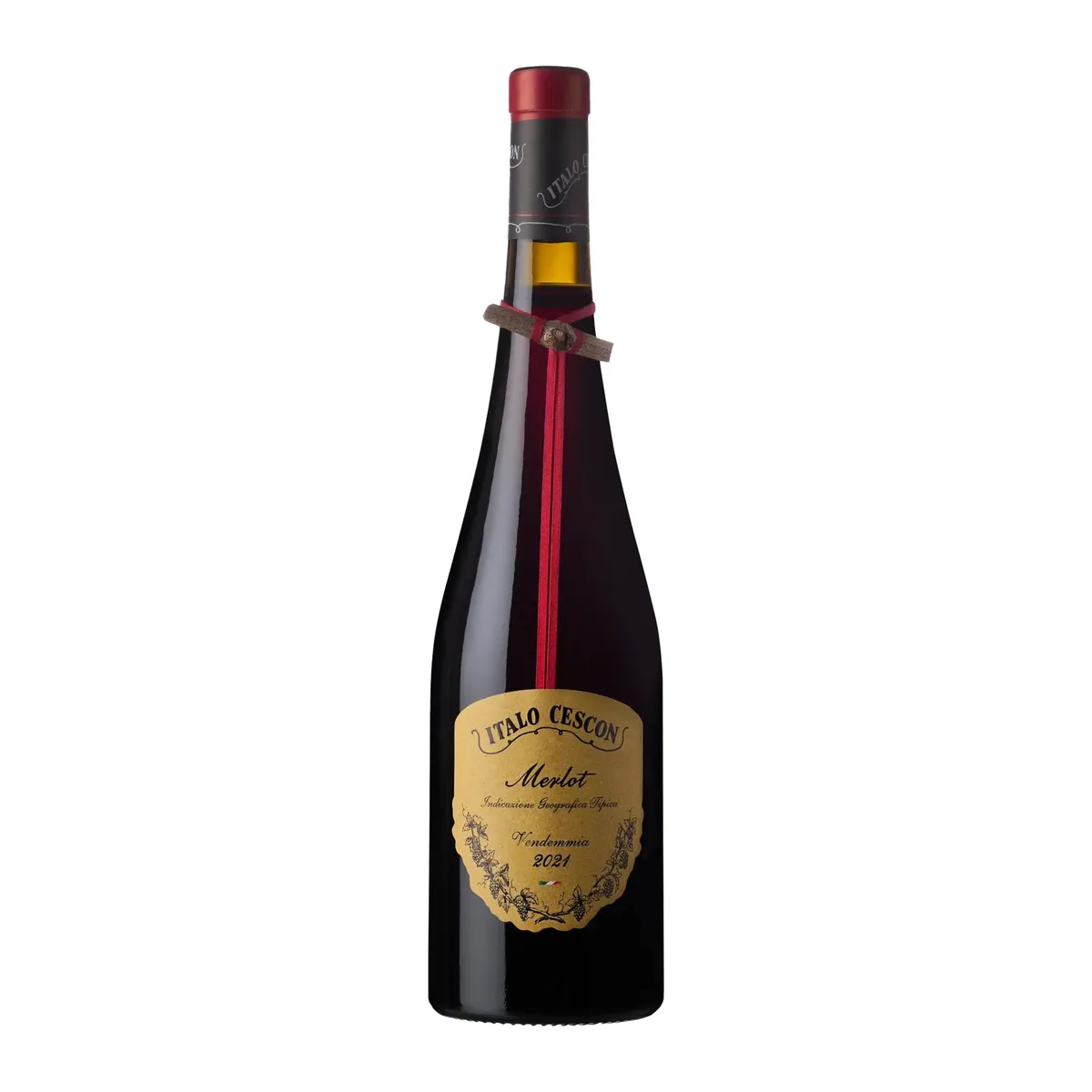 Italo Cescon Merlot750 ML$19.99Add to cart
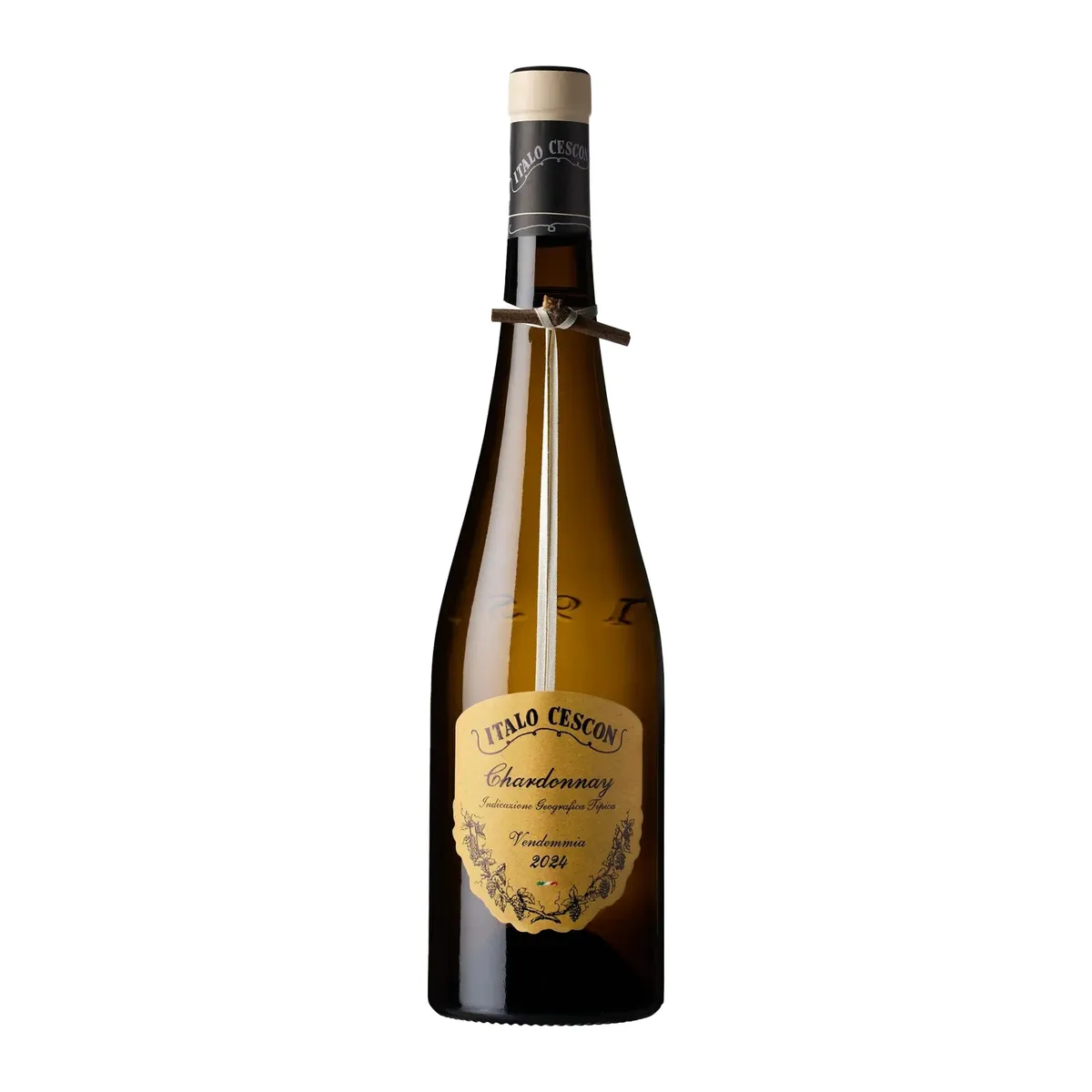 Italo Cescon Chardonnay750 ML$19.99Add to cart
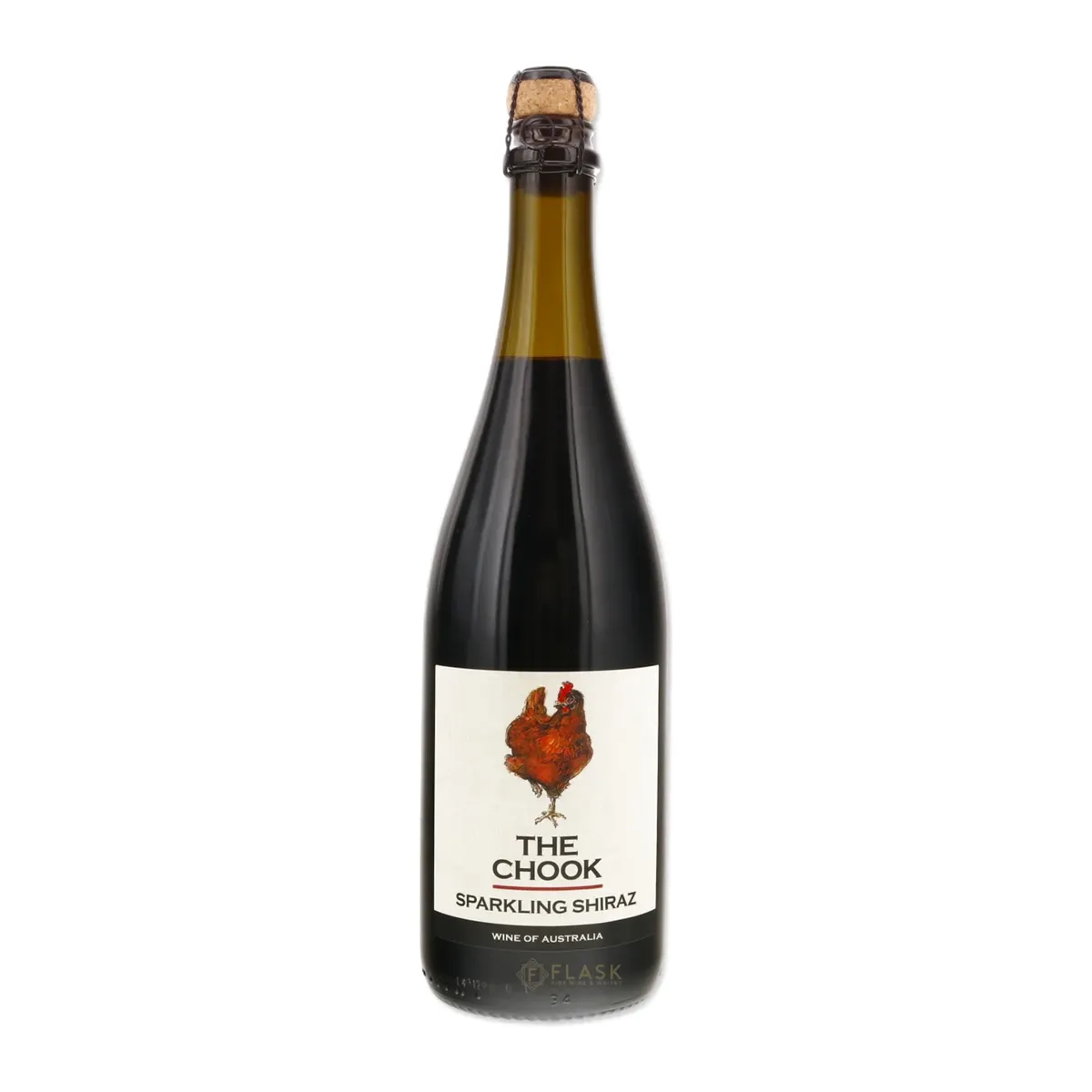 The Chook Spark Shiraz750 ML$22.99Add to cart
Choosing champagne comes down to three things on the label: how dry it is, which grapes went into it, and who made it. The Wild Duck, a liquor store at 86 Massachusetts Ave in Boston, walks through each one below, then covers how to chill, open and serve the bottle.
What makes a bottle true champagne?
Champagne is sparkling wine made in the Champagne region of northeastern France, under rules about the grapes, the method and the ageing. Sparkling wine from anywhere else may be excellent, but it cannot carry the name.
The wine is made by the traditional method. A still base wine is bottled with yeast and a little sugar, and a second fermentation in the sealed bottle creates the bubbles. The wine then rests on the spent yeast, which gives champagne its bready, toasty character.
Three grapes make most champagne: chardonnay, pinot noir and pinot meunier. Chardonnay brings freshness and citrus. The two red grapes add body and red fruit, even though the finished wine is pale.
If you want to see the sparkling bottles we have in at the moment, our sparkling wine page shows what is in now.
How do I read a champagne label?
Start with the word that describes sweetness. Brut is the most common style and tastes dry. Extra brut and brut nature are drier still. Extra dry, despite the name, is slightly sweeter than brut, and demi-sec is noticeably sweet.
Next, look for the grapes. Blanc de blancs means white wine from white grapes, which in champagne means chardonnay. It tends to taste crisp and lemony. Blanc de noirs means white wine from red grapes, usually pinot noir or pinot meunier, and it tends to taste fuller and rounder.
Then check for a year. A bottle with no year is non-vintage, a blend of several harvests that aims to taste the same from one release to the next. A vintage bottle comes from a single harvest and is aged longer before release, so it shows the character of that year.
Finally, find the small code near the bottom of the label, which says what kind of producer made the wine. That leads to the next question.
What is grower champagne?
Grower champagne is made by the same estate that farms the vineyards. Most champagne comes from large houses that buy grapes from many growers. A grower champagne instead comes from one family or estate, usually from a smaller set of vineyards.
You can spot one by the letters RM, short for récoltant-manipulant, in the small print on the label. NM, négociant-manipulant, marks a house that buys grapes. The code does not tell you whether a bottle is better, only how it was made.
Grower bottles often show more of a particular village or vineyard, and the style can vary from one producer to the next. If you like to compare, buying one grower bottle next to a large-house non-vintage is a clear way to taste the difference.
Before you commit to a style, check our sparkling wine page, because what is in changes from week to week.
Is rosé champagne different from white champagne?
Rosé champagne is a sparkling wine with a pink colour and, usually, a little more red fruit on the palate. It is made in one of two ways. Most producers blend a small amount of still red wine into the white base. A smaller number let the juice sit briefly on the red grape skins to pick up colour.
The flavour is often described as strawberry, raspberry or cherry, with the same fine bubbles as a white bottle. It can be dry or slightly sweet, so the sweetness word on the label matters here just as it does for white champagne.
Rosé works well on its own as a celebration bottle and sits comfortably beside food such as charcuterie, salmon or soft cheese. For other pink wines, our rosé page lists what we carry in that style.
Which champagne suits a gift, a toast or a dinner?
For a gift, a non-vintage brut is the safest choice because the style is widely liked and easy to serve. A vintage bottle or a grower champagne suits someone who already enjoys wine and would like to try something more specific. If you are not sure what the person drinks, a gift card lets them choose for themselves, and our holiday gift guide collects more ideas across wine, spirits and beer.
For a toast with a group, brut is again the practical choice. It pairs with canapés and does not feel sweet after a few sips. Plan on roughly six glasses from a 750 ml bottle, and pour small measures so everyone can raise a glass together.
For dinner, match the style to the food. Brut and blanc de blancs suit oysters, fried dishes, salty snacks and white fish. Blanc de noirs and rosé stand up to roast chicken, ham and mushrooms. Demi-sec suits fruit desserts and not-too-sweet cakes.
If you want a similar style at a different point on the spectrum, our guide to Spanish cava explains another traditional-method sparkling wine, and the champagne buying guide covers more on choosing a bottle.
How cold should champagne be, and which glass is best?
Serve champagne chilled but not ice cold, around 43 to 46 degrees Fahrenheit. Too warm and it tastes heavy and foamy. Too cold and the flavour is muted. Two to three hours in the refrigerator works, or about thirty minutes in a bucket of ice and water if you are short of time.
A tulip-shaped glass or an ordinary white wine glass shows the aroma better than a wide, shallow coupe. A narrow flute keeps the bubbles lively but can hide the scent. Any of them is fine, as long as the glass is clean and dry. Soap residue flattens the bubbles quickly.
Pour in two stages. Fill the glass about a third, let the foam settle, then top it up to about two thirds. Holding the glass at a slight angle, as with beer, reduces foam and keeps more of the sparkle in the wine.
How do I open champagne safely, and how long does it keep?
Keep the bottle cold and steady before you open it, and point it away from people and objects. Remove the foil, loosen the wire cage with six half turns, and keep your thumb over the cork. Hold the cork firmly and turn the bottle, not the cork, while tilting it to about 45 degrees. Ease the cork out so it releases with a soft sigh rather than a pop.
Once opened, a bottle with a proper sparkling wine stopper will usually stay pleasantly bubbly in the refrigerator for a day or two, and sometimes up to three. The bubbles fade gradually, so it is best finished soon. Ordinary wine stoppers do not hold the pressure, so use one made for sparkling wine.
An unopened bottle should be stored on its side or upright in a cool, dark place away from heat and vibration. Non-vintage champagne is made to be enjoyed soon after purchase, while vintage bottles can be kept longer if you have a suitable spot.
If you would rather have a bottle brought to you, we offer pickup, delivery and shipping, and our Boston delivery page explains how it works. The Wild Duck is rated above 4.5 on Google from more than 60 reviews, and the shop carries more than 4,500 products.
Common questions
What does brut mean on a champagne label?
Brut means the wine is dry, with very little added sugar. It is the most common style and suits most occasions, from a toast to a meal.
What is the difference between blanc de blancs and blanc de noirs?
Blanc de blancs is made only from chardonnay and tends to taste crisp and citrusy. Blanc de noirs is made from red grapes, usually pinot noir or pinot meunier, and tends to taste fuller and rounder.
How cold should champagne be when served?
Serve it at about 43 to 46 degrees Fahrenheit. Two to three hours in the refrigerator, or about thirty minutes in an ice and water bucket, gets it there.
How long does opened champagne keep?
With a stopper made for sparkling wine and storage in the refrigerator, it usually stays pleasant for a day or two. The bubbles fade over time, so it is best finished soon.
How can I tell if a champagne is a grower champagne?
Look for the letters RM in the small print on the label. They stand for récoltant-manipulant, meaning the estate grew the grapes and made the wine.