White Wine we stock
In stock now, at today’s prices. Order online for pickup, delivery or shipping.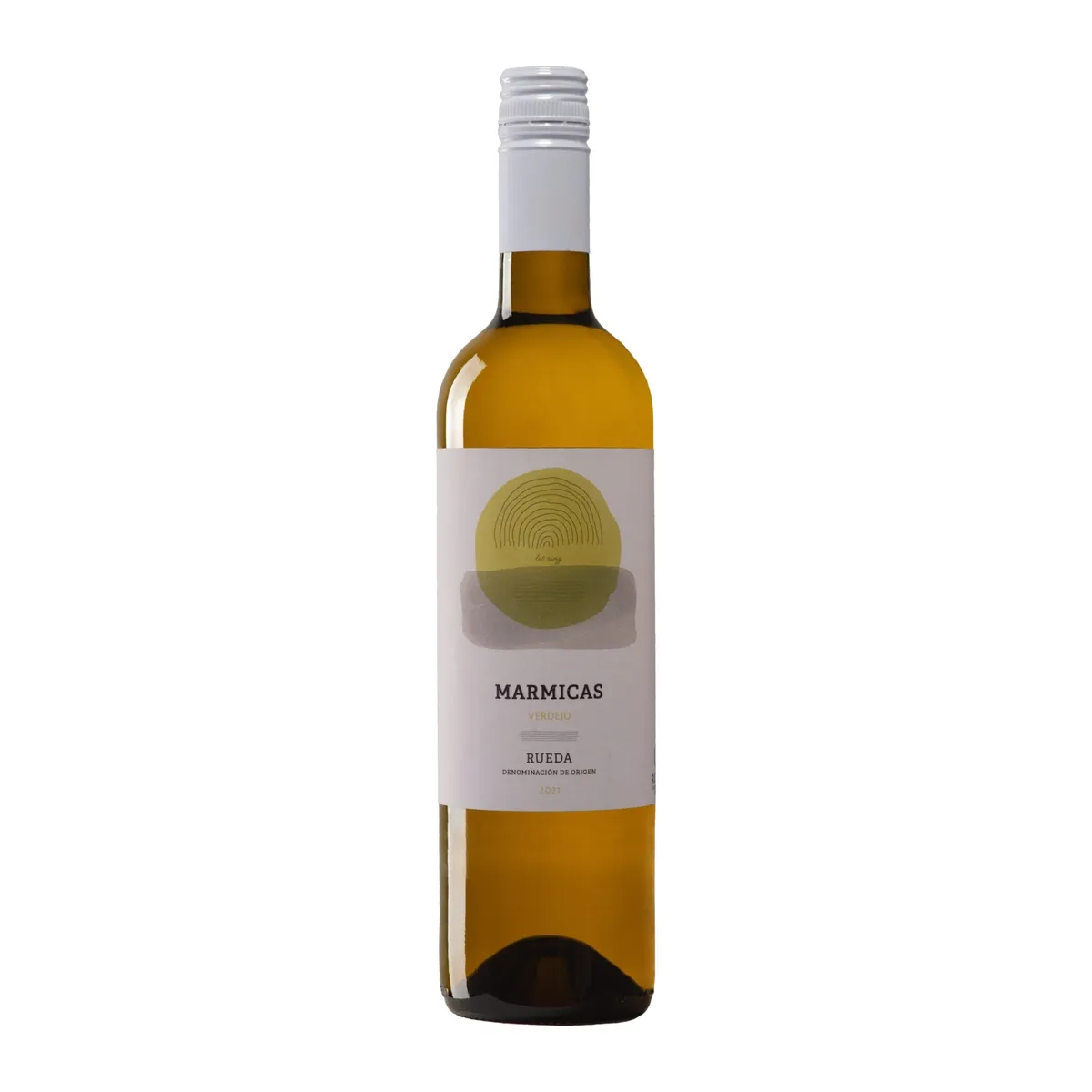 FeaturedMarmicasVerdejo750 ML$18.99Add to cart
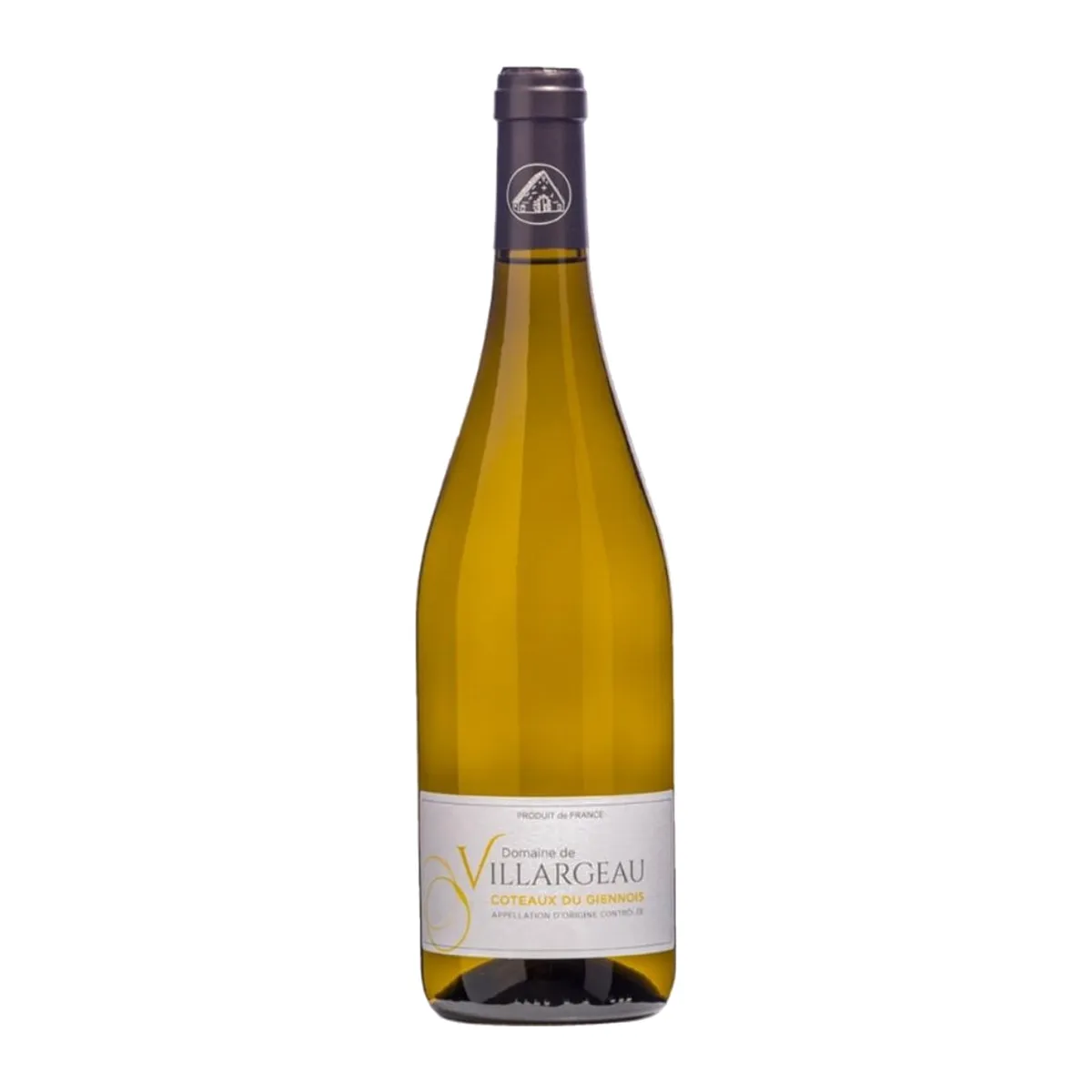 FeaturedVillargeau Giennois Blanc750 ML$24.99Add to cart
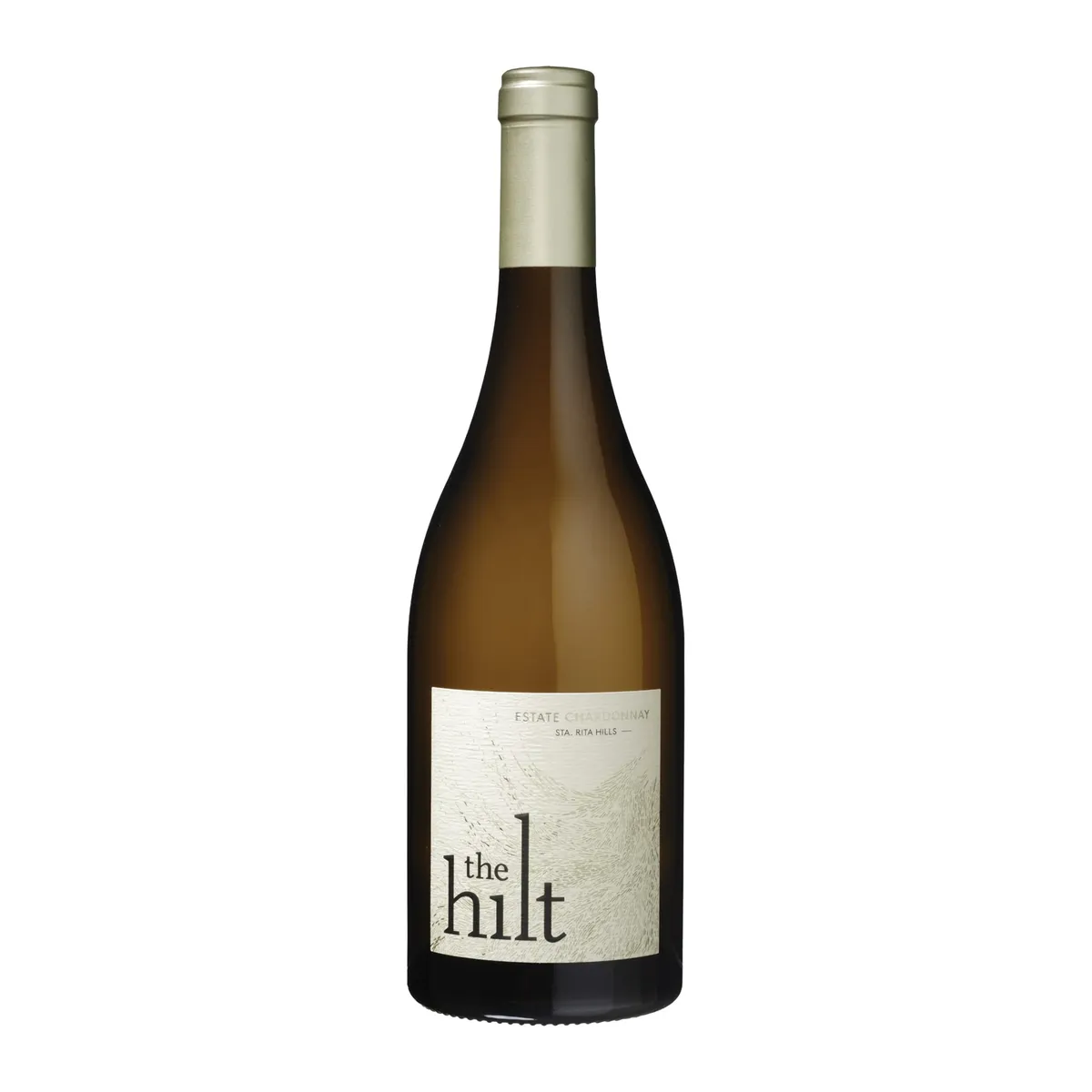 FeaturedThe Hilt Chardonnay750 ML$44.99Add to cart
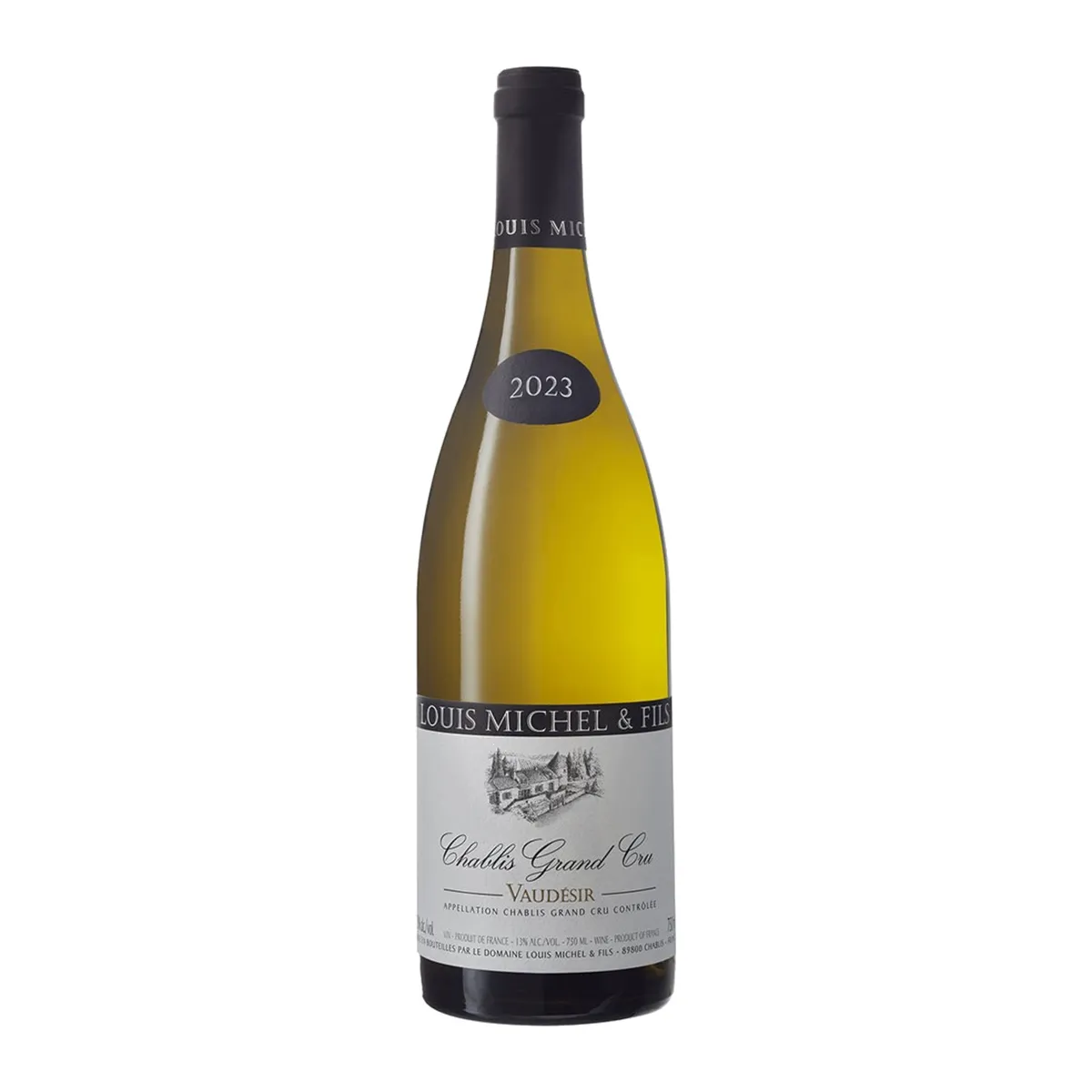 FeaturedLouis Michel Chablis Vaudesir750 ML$149.99Add to cart
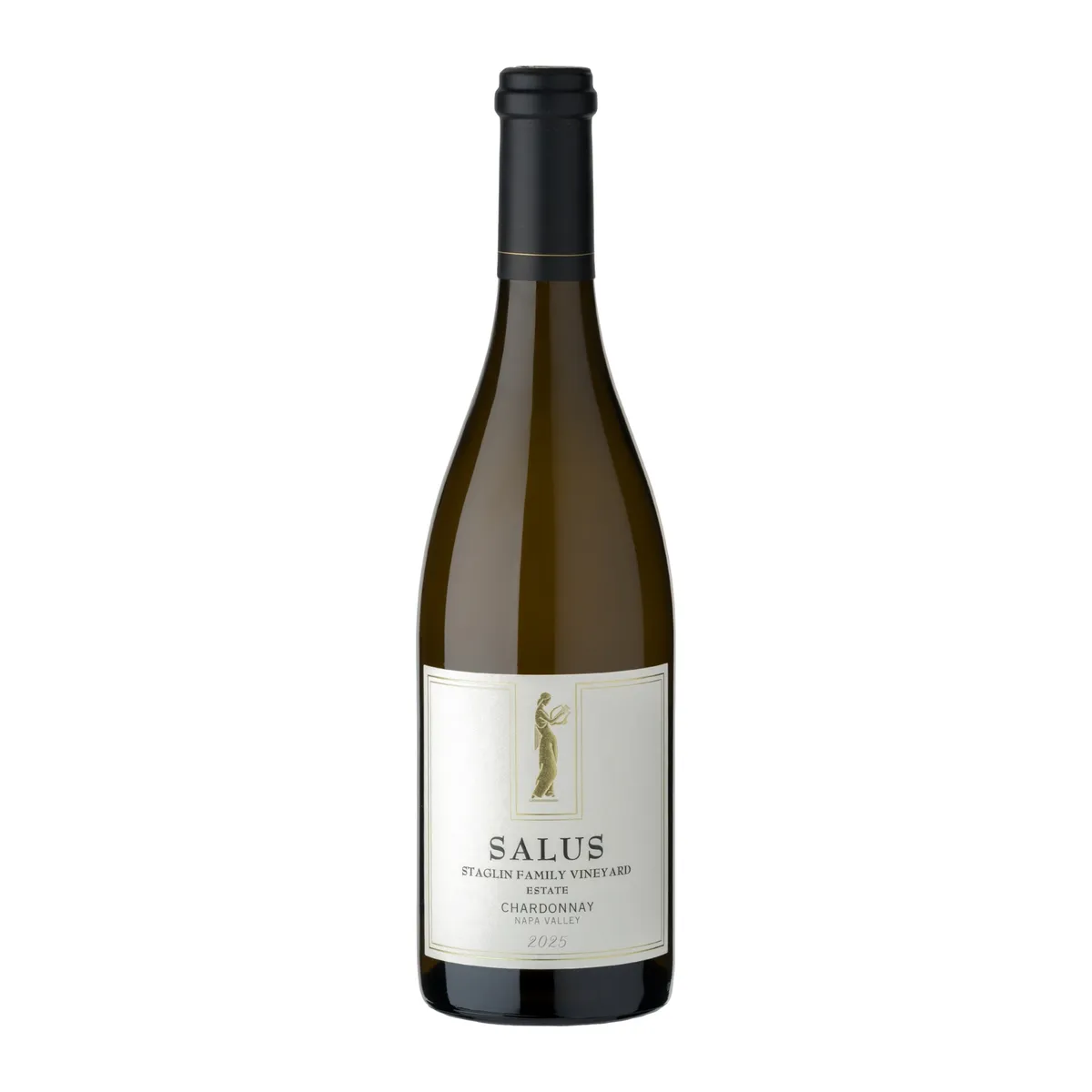 FeaturedSalus Staglin Family Chardonna750 ML$79.99Add to cart
 Orin SwiftBlank Stare750 ML$39.99Add to cart
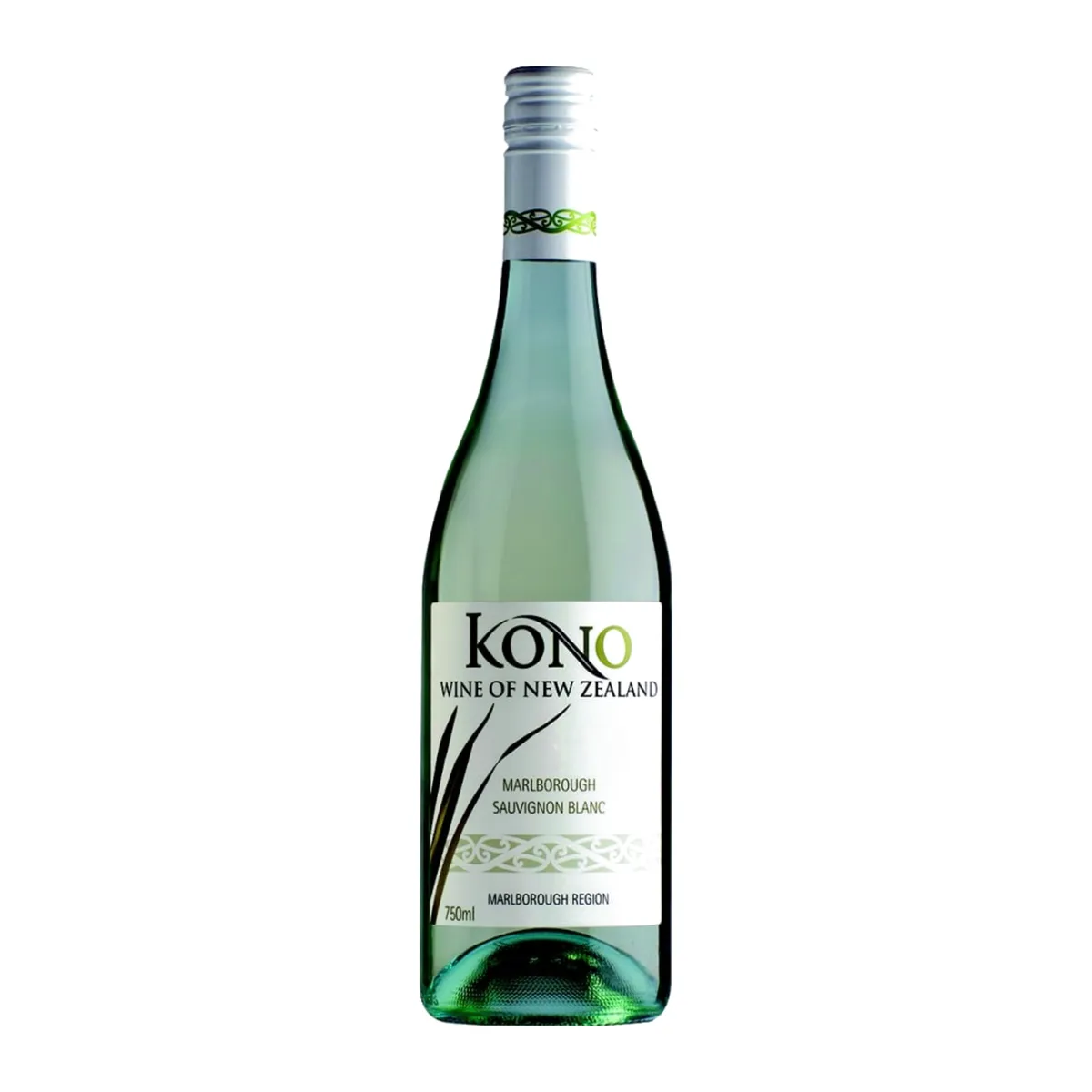 Kono Sauv Blanc750 ML$14.99Add to cart
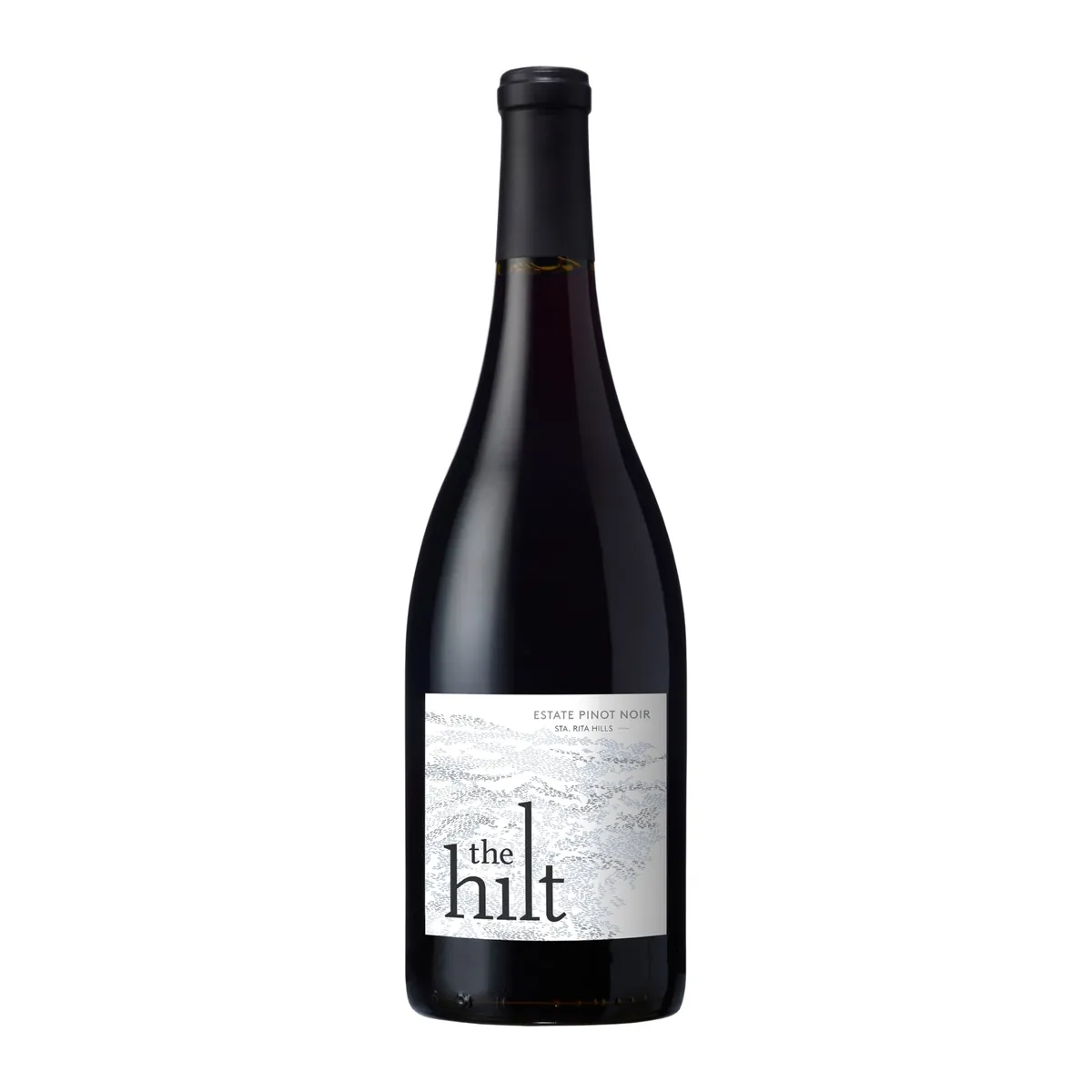 The Hilt Pinot Noir750 ML$49.99Add to cart
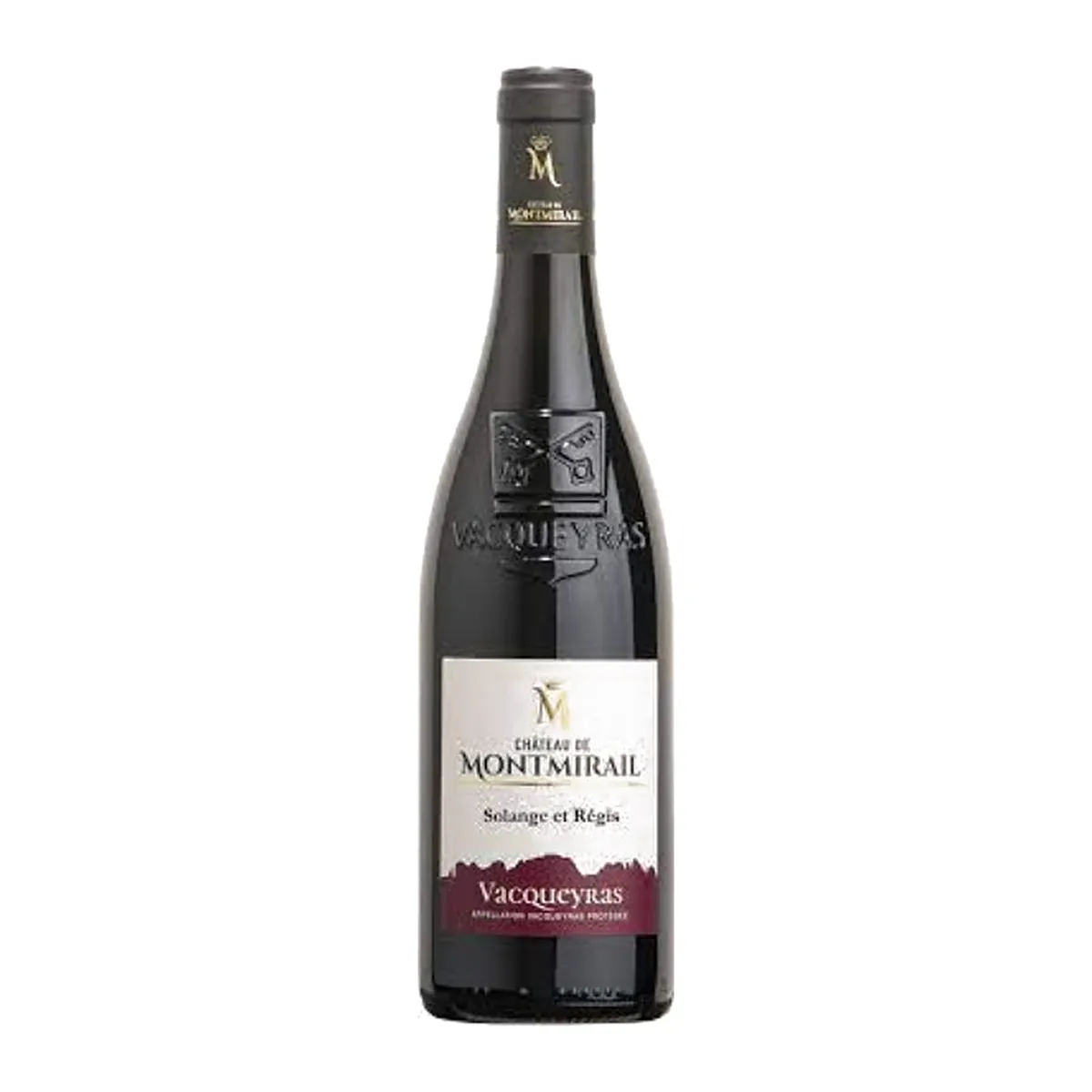 Chateau De Montmirail750 ML$21.99Add to cart
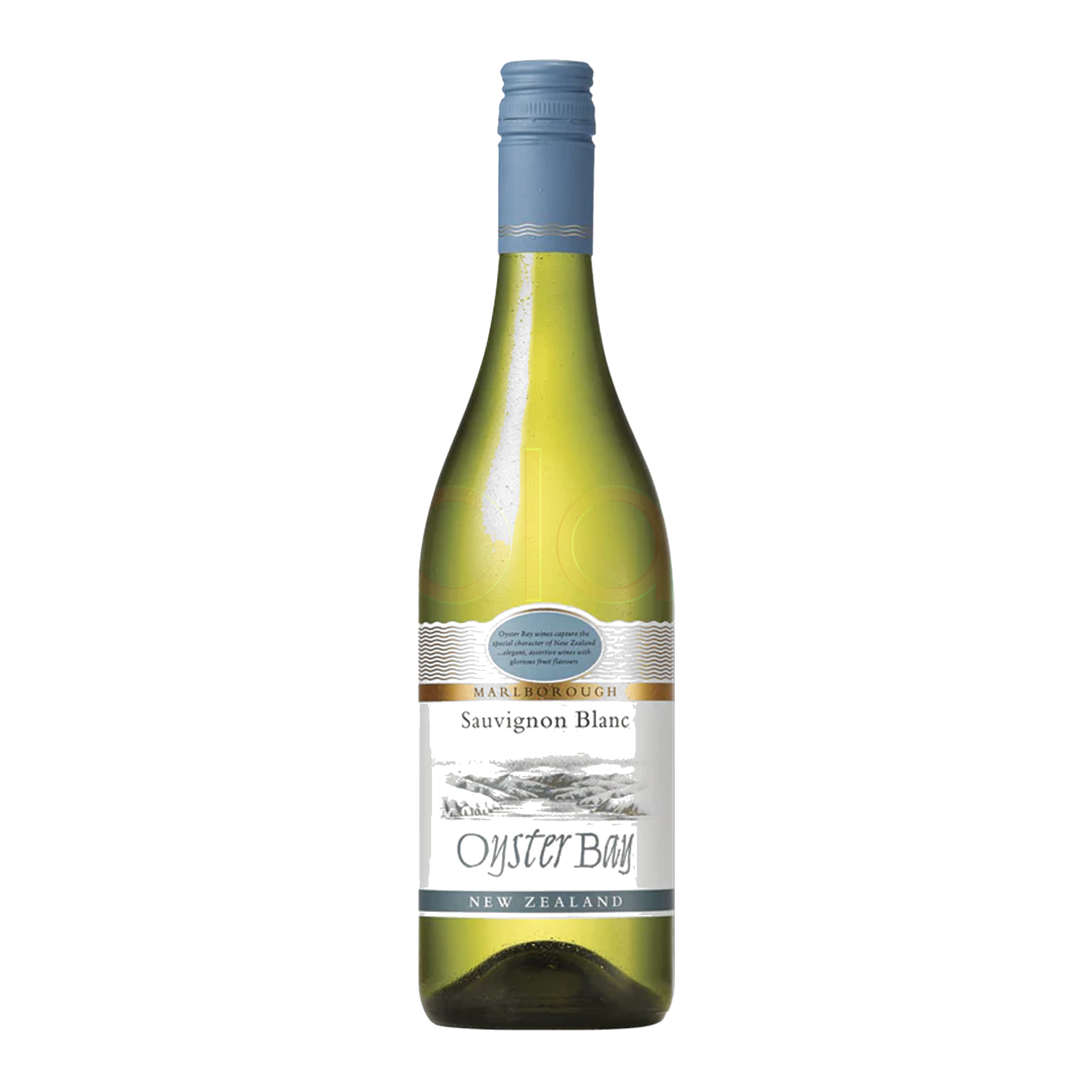 Oyster BaySauvignon Blanc750 ML$14.99Add to cart
A dry white wine with clear acidity and no oak, such as Sauvignon Blanc, Pinot Grigio or an unoaked Chardonnay, is the right choice for most cooking. The Wild Duck, at 86 Massachusetts Ave in Boston, carries a full shelf of white wine, and this guide explains how to choose a bottle for the dish in front of you.
What makes a white wine good for cooking?
A good cooking white is dry, crisp and not heavily oaked. Dry means the wine has little or no leftover sugar, so it adds acidity and flavour to a sauce without making it sweet. Acidity is what lifts butter, cream and stock, and it is the reason a splash of white wine improves so many dishes.
Oak is the quality to avoid. Wine aged in new oak can taste of vanilla and toast, and those flavours become more pronounced as the liquid reduces in the pan. A wine that tastes fresh and clean in the glass will usually taste fresh and clean in the sauce.
The general rule among cooks is to cook with a wine you would be willing to drink. You do not need a rare bottle, but a wine that tastes unpleasant on its own will not improve once it is heated and reduced.
Which dry white wines work best in the kitchen?
Sauvignon Blanc, Pinot Grigio, unoaked Chardonnay, Verdejo and Grüner Veltliner are the dependable choices. Each is a dry, high-acid style that is made to be drunk young, and each reduces cleanly in a pan.
Sauvignon Blanc is bright and herbal, which suits fish, shellfish, asparagus and sauces finished with fresh herbs. Pinot Grigio is lighter and more neutral, which makes it an easy match for chicken, mushrooms and simple pan sauces. Chardonnay works well when it is unoaked or lightly oaked, and it suits cream sauces and roast chicken. Grüner Veltliner is dry and peppery, a good fit for vegetable dishes and anything with a little spice.
When you shop the white wine shelf, look at the label for words such as dry, crisp, unoaked or stainless steel. If a label does not say, ask us at the counter.
Which bottles at The Wild Duck suit cooking?
At The Wild Duck, the bottles that fit this job include Marmicas Verdejo, Villargeau Giennois Blanc, The Hilt Chardonnay and Louis Michel Chablis Vaudesir. Check each product page for the producer's own description before you decide.
As general knowledge, Verdejo is a Spanish white that is usually dry and fresh, with a slightly bitter finish that works well with seafood and vegetables. Giennois is a Loire Valley appellation, and its white wines are generally made from Sauvignon Blanc, so expect a crisp, herbal style. Chablis is Chardonnay grown in northern Burgundy, and it is known for being dry and lean rather than rich.
Bottles from a single estate, such as Salus Staglin Family Chardonna, are better kept for the glass than for the pan. If you are cooking a dish that needs a cup of wine, pick a bottle that you would also enjoy pouring for the table.
How much dry white wine do you need for a recipe?
Most recipes need between a quarter cup and one cup, so one bottle covers several dishes. A pan sauce for two usually takes about a quarter to half a cup. A risotto for four takes about half a cup. A braise or a pot of mussels can take a full cup or more.
Because a standard bottle holds about three cups, you will usually have wine left over. You can pour the rest with the meal, which is the simplest way to match the drink to the food. Always drink in moderation and never feel that you need to finish a bottle.
Add the wine to a hot pan after the onions, garlic or shallots have softened, and let it simmer until the sharp smell of alcohol has gone and the liquid has reduced by about half. That step gives the sauce its depth.
Can you cook with a white wine you would also drink?
Yes, and it is the easiest way to buy. A wine that is dry, fresh and balanced will serve you in both roles, so you avoid buying one bottle for the pan and another for the glass.
This also removes the guesswork about the type of dish. Pair the wine with the food: a Sauvignon Blanc in a lemon and herb sauce goes well with a Sauvignon Blanc on the table, and an unoaked Chardonnay in a cream sauce goes well with the same wine in the glass.
If you want to keep a bottle for the glass only, buy a second one. With more than 700 brands in stock across the store, you can usually find both a bottle for cooking and a bottle for serving in one visit.
Which white wines should you avoid for cooking?
Avoid sweet wines, heavily oaked wines and very aromatic wines unless the recipe calls for them. A sweet wine such as a dessert wine or a sweet Riesling will leave sugar in the sauce and change the balance of a savoury dish. A heavily oaked Chardonnay can turn bitter and buttery when it is reduced.
Strongly perfumed wines, such as some Gewürztraminer and Muscat styles, can overpower delicate food. They are better used deliberately, in a dish designed around them.
The Wild Duck also carries fruit and dessert wine, sangria and fortified wine. These are good for their own purposes but are not the wines to reach for when a recipe says dry white wine.
What can you use if a recipe calls for dry white wine and you have none?
Dry vermouth is the usual substitute, because it is dry, aromatic and keeps well once opened. Chicken or vegetable stock with a small squeeze of lemon juice or a splash of white wine vinegar also gives acidity, though it will not have the same depth.
If you want a bottle of the real thing, a dry sparkling wine can work too. A Spanish cava is dry and acidic, and you can use it in a pan sauce once it has lost its fizz. Our guide to Sparkling Wine lists what is on the shelf.
Whichever substitute you choose, add it in small amounts and taste as you go, so that you can adjust the seasoning at the end.
How do you get dry white wine from The Wild Duck?
The Wild Duck at 86 Massachusetts Ave, Boston, is open Monday to Saturday from 10:00 AM to 11:00 PM and on Sunday from 11:00 AM to 11:00 PM, so you can walk in and choose a bottle at the shelf. The store is rated above 4.5 out of 5 from more than 60 Google reviews, and it carries more than 4,500 products.
If you would rather not make the trip, we offer pickup, delivery and shipping. In-store pickup runs Monday to Saturday from 9:00 AM to 11:00 PM and on Sunday from 10:00 AM to 11:00 PM. Delivery runs Monday to Saturday from 9:30 AM to 10:30 PM and on Sunday from 10:30 AM to 10:30 PM. You can read more on our wine delivery in Boston page.
We deliver to Boston, Cambridge and Brookline. Our liquor delivery areas page explains how this works. You must be 21 or older to buy and receive alcohol.
Common questions
What is the best dry white wine for cooking?
Sauvignon Blanc and Pinot Grigio are the most reliable choices for everyday cooking. Both are dry, crisp and unoaked, so they add acidity without adding sweetness or heavy oak flavours.
Can I use Chardonnay for cooking?
Yes, if it is unoaked or lightly oaked. A heavily oaked Chardonnay can taste bitter or buttery once it is reduced, so check the label if you are unsure.
Do I need to use an expensive bottle for cooking?
No. Choose a bottle that is dry, fresh and pleasant to drink. A wine you would not enjoy in the glass will not improve in the pan.
Does the alcohol cook out completely?
Not completely. Simmering reduces the alcohol, but some remains, and the amount depends on how long the dish cooks. If you need to avoid alcohol entirely, use stock with a little lemon juice or vinegar instead.
How long can I keep an opened bottle of white wine for cooking?
Recork it and keep it in the refrigerator, where it will usually stay usable for cooking for several days. Once it smells sour or flat, do not use it.
Can The Wild Duck deliver white wine to me?
We offer delivery to Boston, Cambridge and Brookline, as well as pickup and shipping. Delivery runs Monday to Saturday from 9:30 AM to 10:30 PM and on Sunday from 10:30 AM to 10:30 PM.