Cabernet Sauvignon we stock
In stock now, at today’s prices. Order online for pickup, delivery or shipping.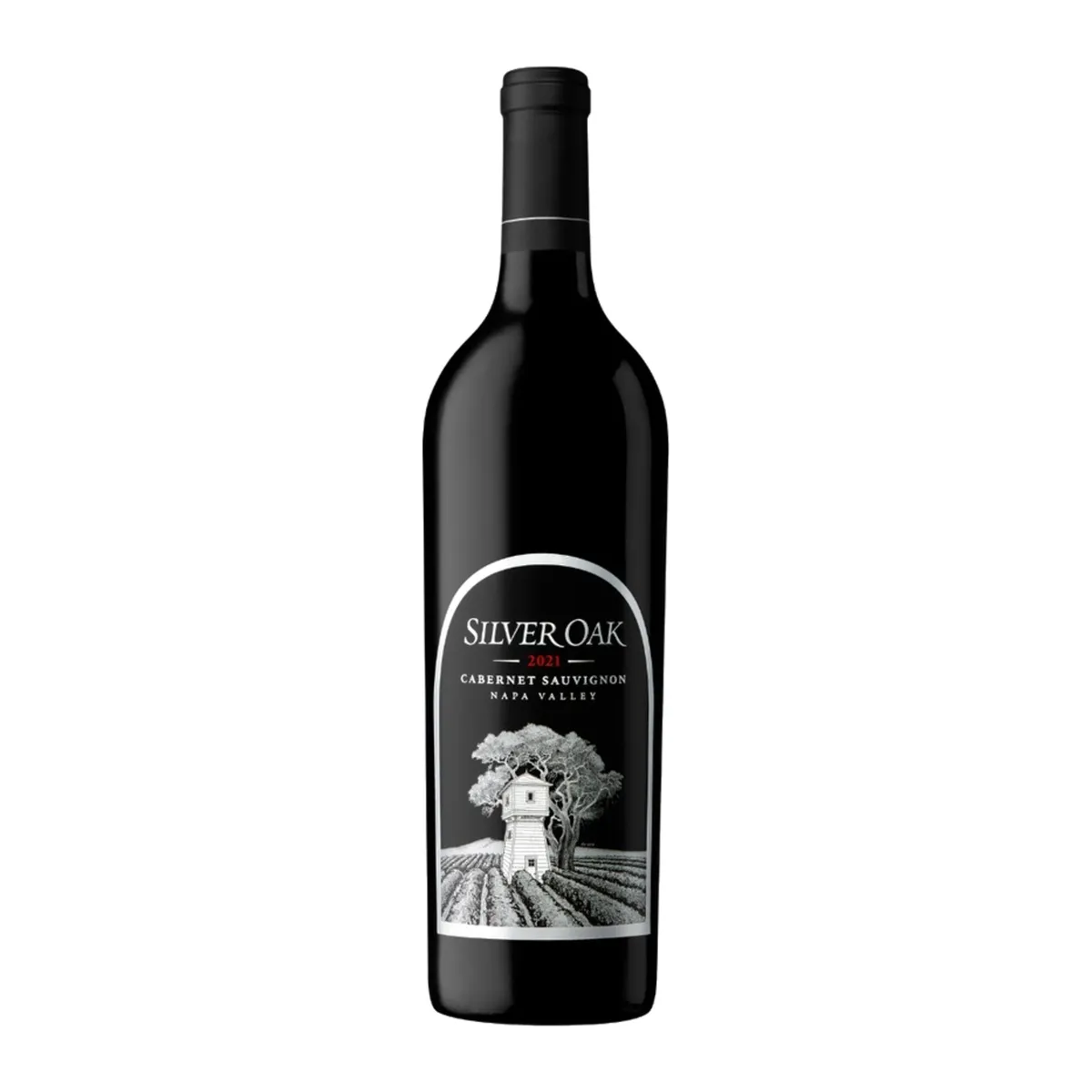 Silver OakNapaernet Sauvignon750 ML$170.00Add to cart
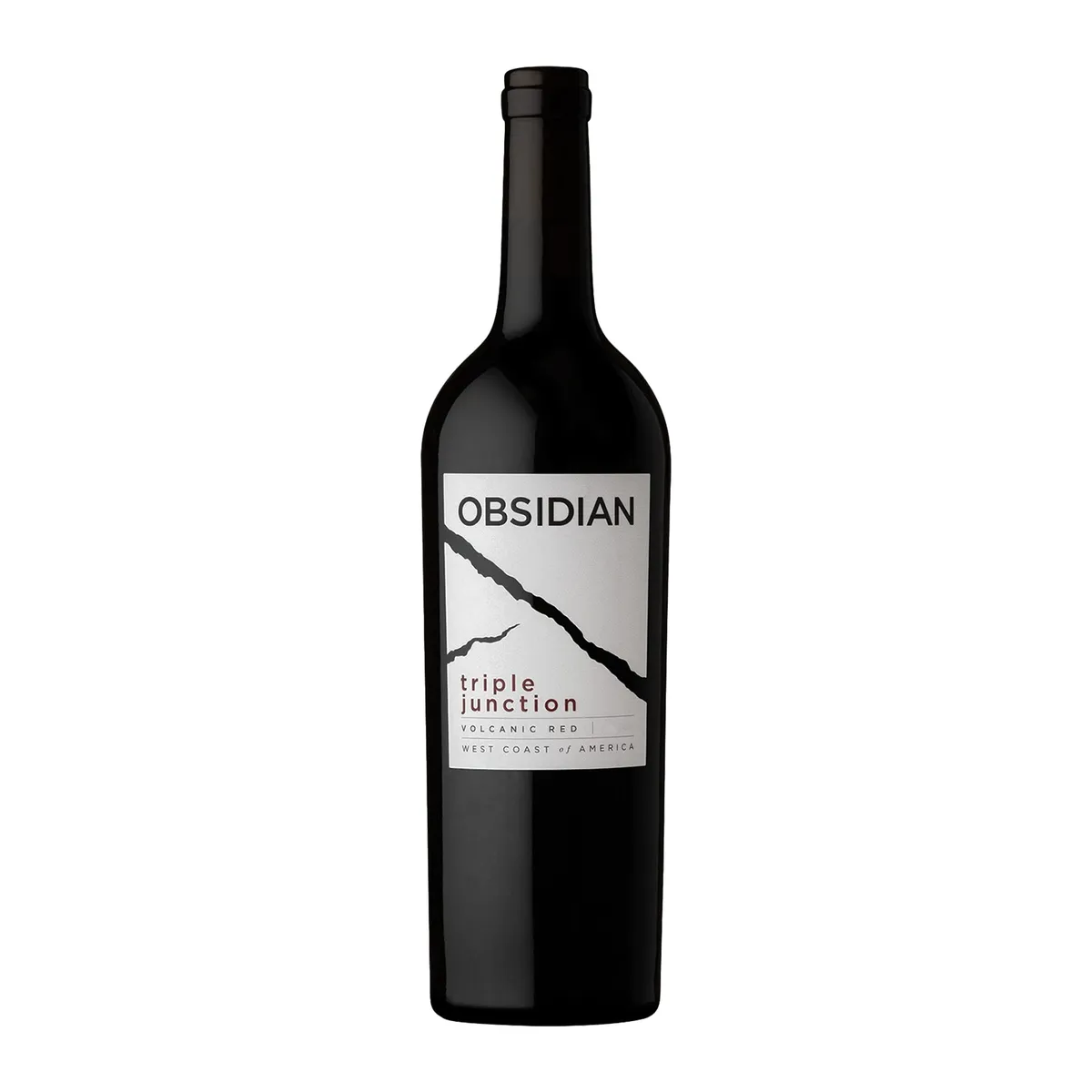 Obsidian Triple Junction Red B750 ML$34.99Add to cart
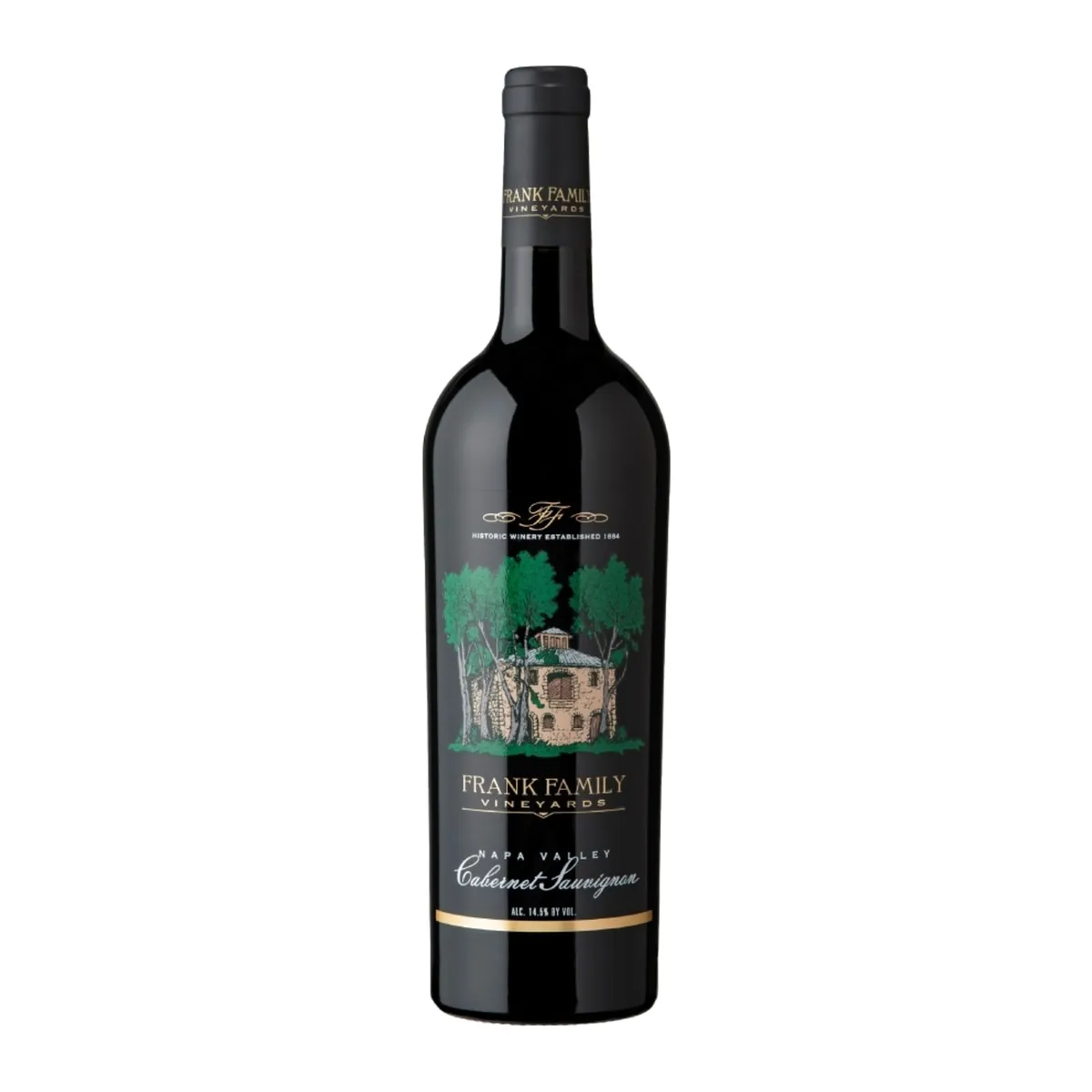 FranksFamily Cab Sauv750 ML$54.99Add to cart
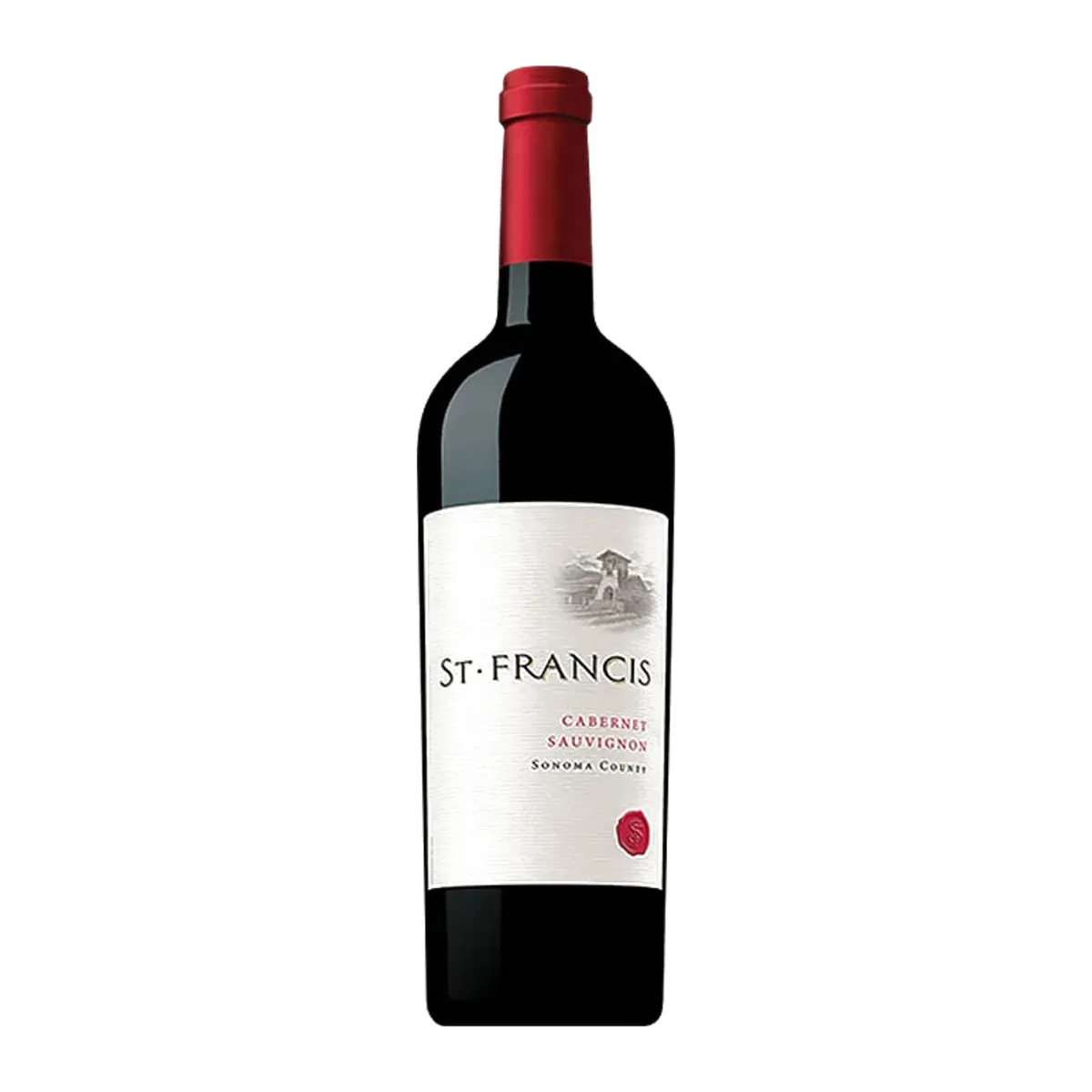 St Francis Cab Sauv750 ML$24.99Add to cart
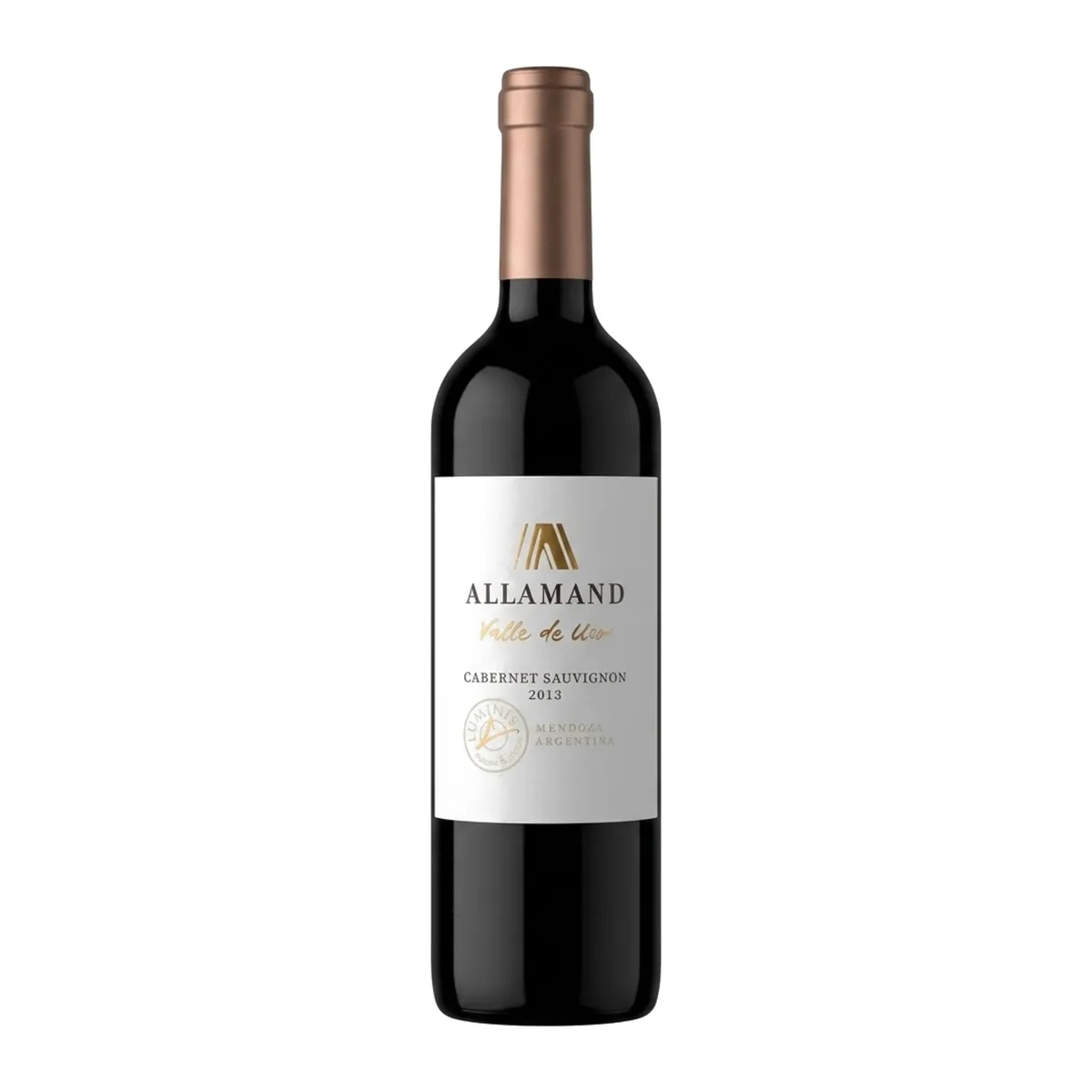 Allamand Cab Sauv.750 ML$29.99Add to cart
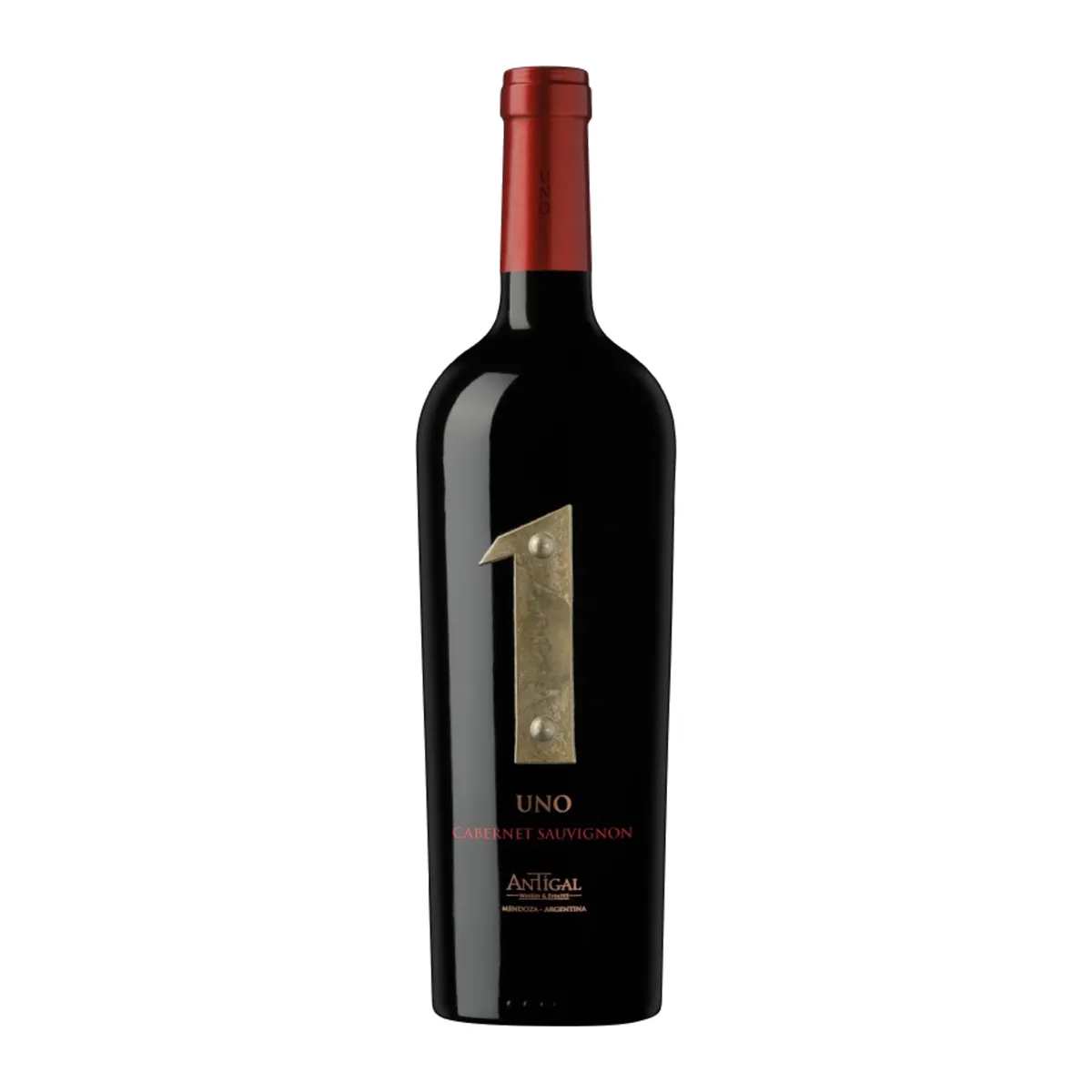 AntigalUno Cab Sau750 ML$15.99Add to cart
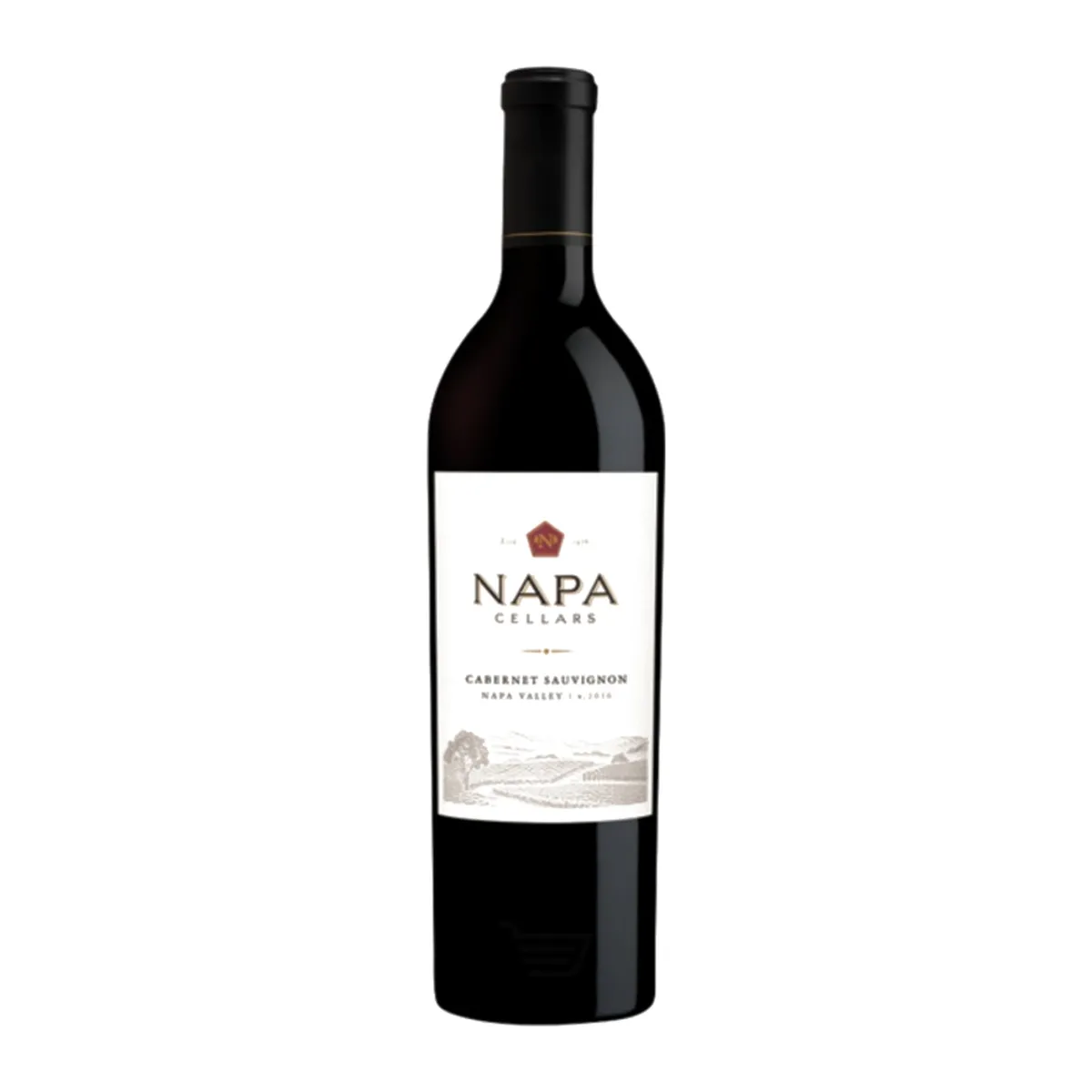 Napa Cellars Cab750 ML$32.99Add to cart
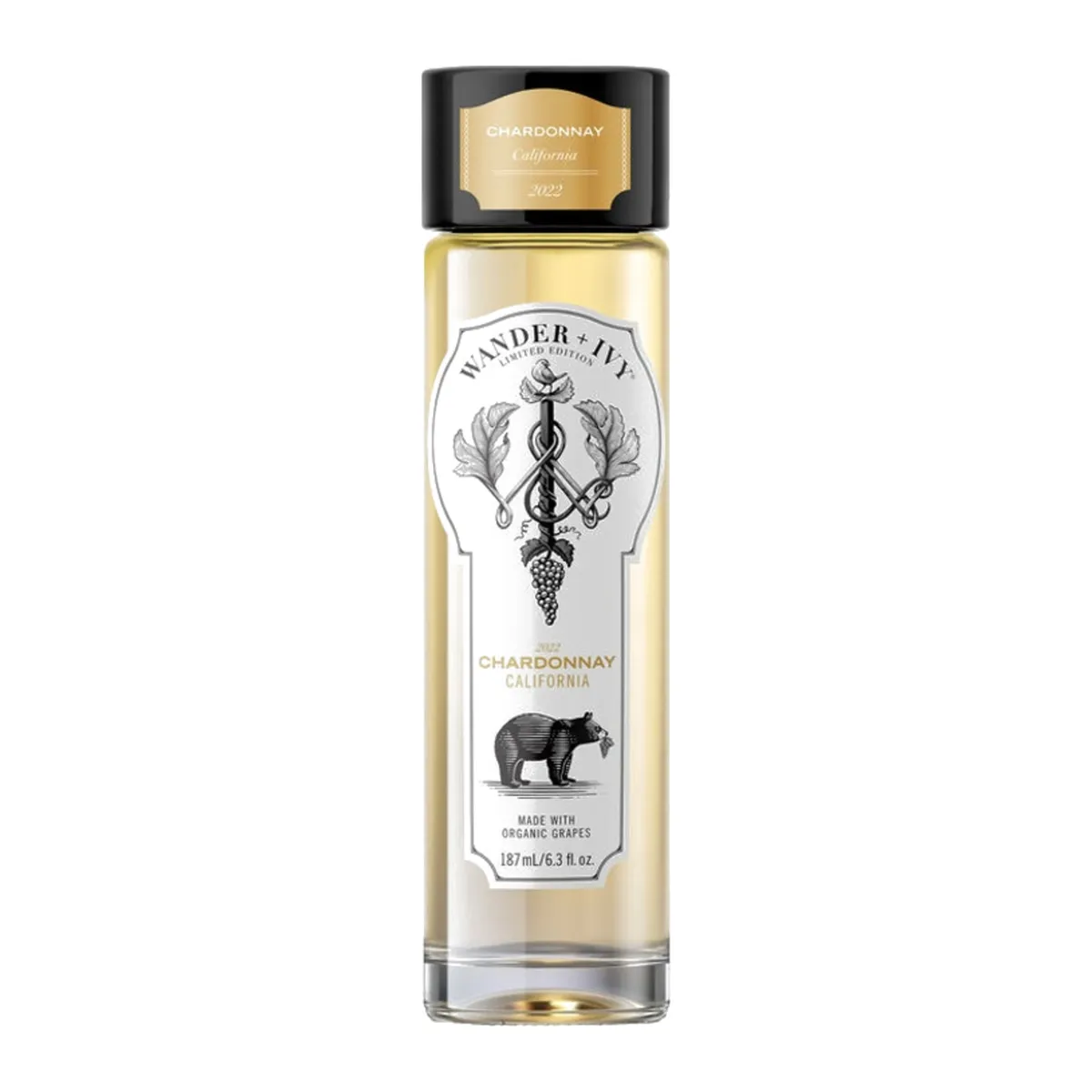 Wander Ivy Chardonnay187 ML$7.99Add to cart
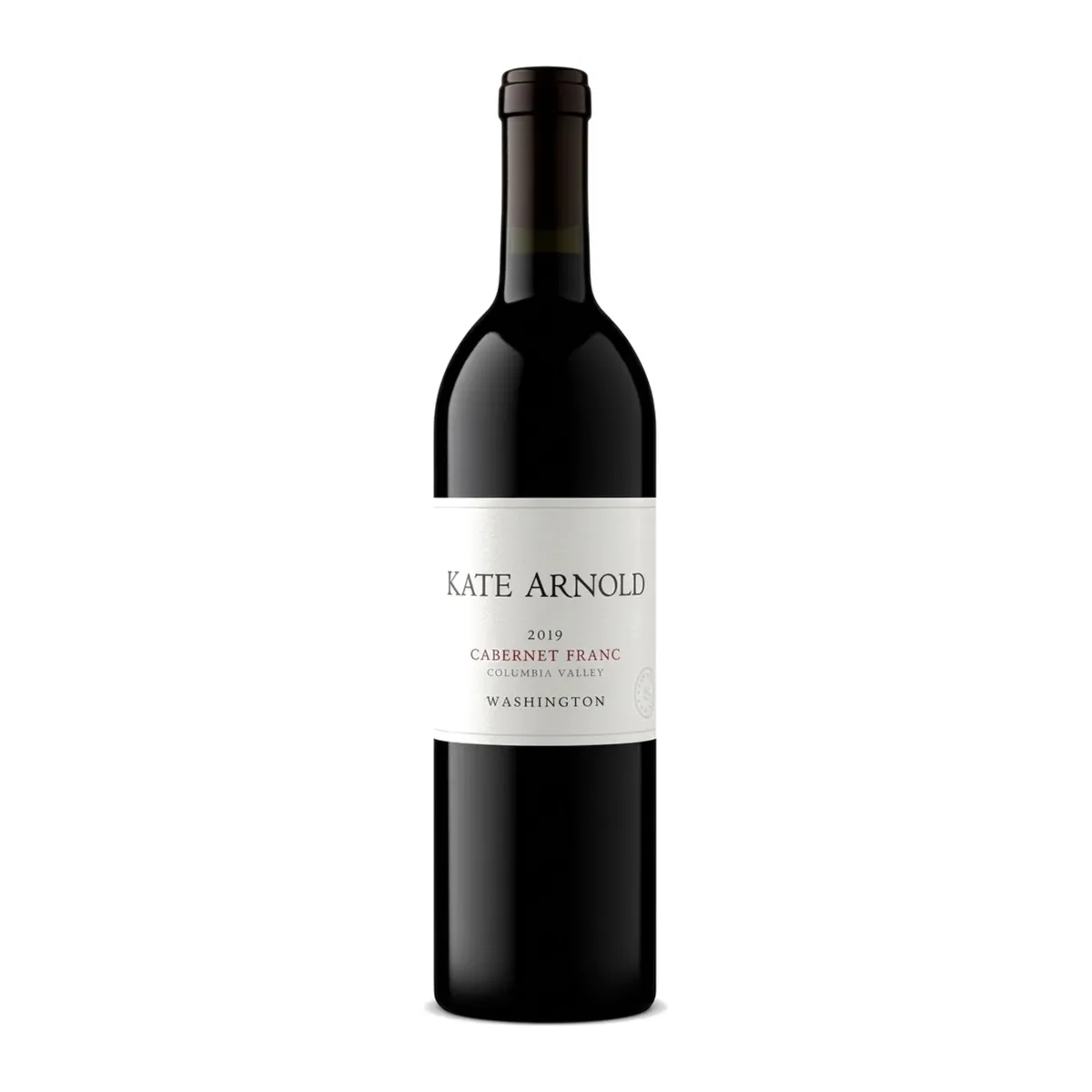 Kate Arnold Cab Franc750 ML$33.99Add to cart
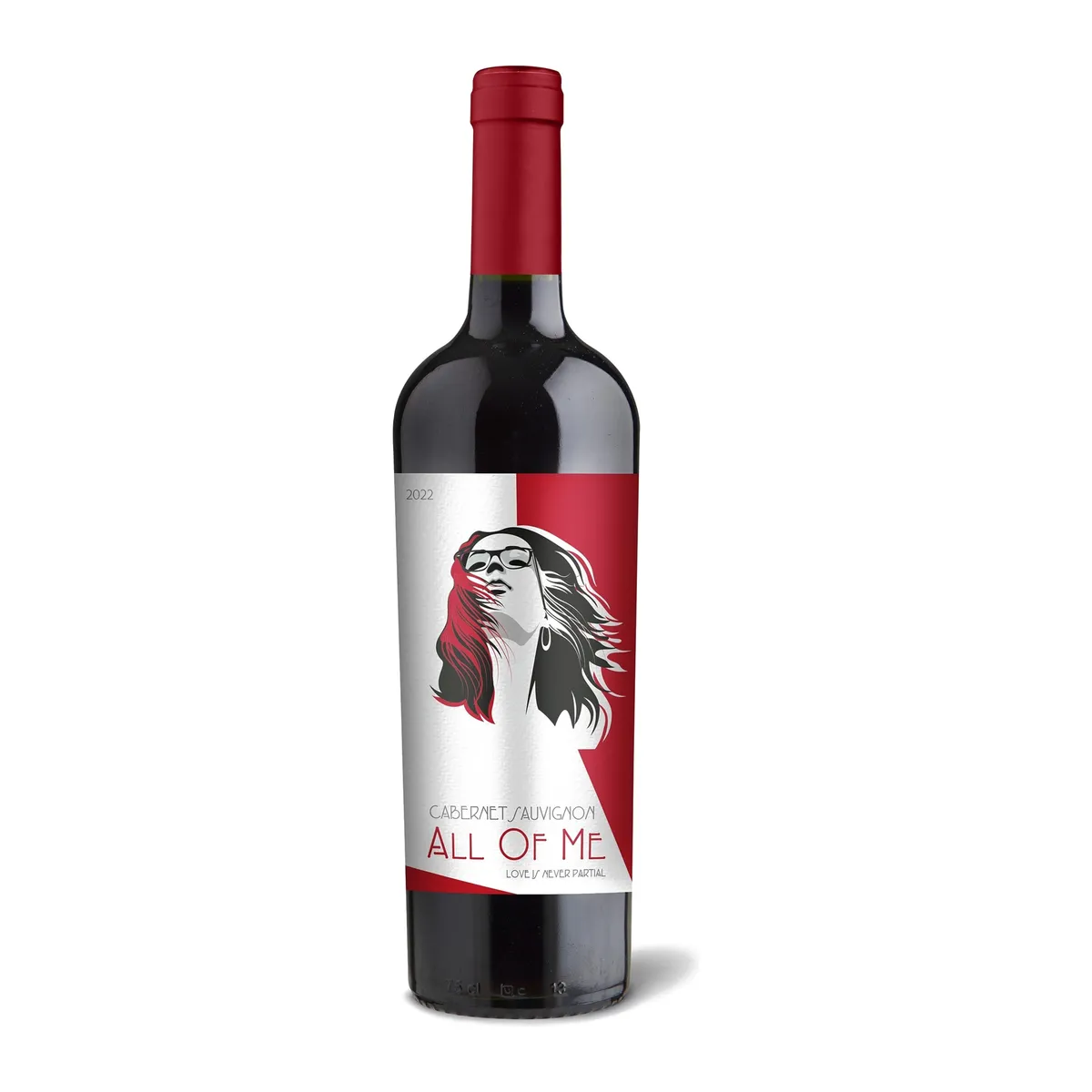 All Of Me Cabernet Sauv750 ML$9.99Add to cart
The Napa region is Napa Valley, a wine area in northern California about an hour's drive north of San Francisco, best known for Cabernet Sauvignon. At The Wild Duck in Boston, we explain below how its areas differ, which grapes to look for and how to read a label, so you can choose a bottle with confidence.
What is the Napa region and where is it?
The Napa region is Napa Valley, a long, narrow valley in northern California, north of San Francisco and east of Sonoma. It runs roughly 30 miles from north to south and is only a few miles across at its widest point. It was recognised as an American Viticultural Area, the official term for a defined wine-growing region, in 1981.
The valley has a warm, dry growing season, cool nights and mild winters. Morning fog and breezes from San Pablo Bay cool the southern end, while the northern end is noticeably hotter. That difference in temperature from south to north explains much of why Napa wines taste different from one area to the next.
Napa is small compared with many wine regions of the world, but its wines are widely exported and sold. When you see Napa Valley on a label, a minimum of 75 percent of the grapes must come from the valley, and the rest of the label rules apply on top of that.
Which grapes is the Napa region known for?
Cabernet Sauvignon is the grape most closely tied to the Napa region. It produces full-bodied red wines with dark fruit, firm tannins and enough structure to age. Many Napa reds blend it with Merlot, Cabernet Franc or Petit Verdot in the Bordeaux style.
Chardonnay is the leading white grape, and Sauvignon Blanc is also widely planted. Pinot Noir and Chardonnay do well in the cooler southern end, where they are also used for sparkling wine. Zinfandel and Merlot are grown in smaller amounts.
If you want to browse these styles in the shop, our Cabernet Sauvignon, Chardonnay, Sauvignon Blanc and Pinot Noir pages are the places to start. Check each label for the region it names, since a grape grown in other parts of California or the world will taste different.
How do the areas inside the Napa region differ?
Inside the valley there are more than a dozen smaller named areas, called sub-appellations, and each has its own character. A label that names one of them tells you more about where the grapes grew than the word Napa alone.
Oakville and Rutherford sit on the valley floor and are known for rich, structured Cabernet Sauvignon. Stags Leap District is usually described as producing softer, more polished reds. Howell Mountain, Spring Mountain District and Mount Veeder are hillside areas, where the vines grow on slopes and the wines tend to be firmer and more concentrated.
Carneros lies at the cool southern end, partly in Sonoma County, and is associated with Pinot Noir, Chardonnay and sparkling wine. Calistoga, at the hot northern end, tends to give riper, fuller reds. These are general descriptions of the areas, and individual producers and vintages vary.
What does a Napa red taste like, and what does it go with?
A typical Napa Cabernet Sauvignon tastes of blackcurrant, dark cherry and plum, often with notes of cedar, vanilla or baking spice from oak barrels. It is full in body and has noticeable tannin, the drying feel on your gums that comes from grape skins and oak.
That structure suits rich food. Grilled steak, roast lamb, braised short ribs and hard aged cheeses are the classic partners, because fat and protein soften the tannin. Mushroom dishes and hearty winter stews also work well.
For lighter food, look at a Pinot Noir or a red blend in a softer style. Our red wine page is a place to look at the wider group of reds, and the red blend page suits you if you prefer a rounder wine with less tannin. Our winter bourbon and red wine guide has more ideas for cold-weather meals.
Does the Napa region make white and sparkling wine too?
Yes. Napa makes Chardonnay in styles from lean and crisp to rich and buttery, depending on how much oak and malolactic fermentation the winemaker uses. Sauvignon Blanc from the valley is usually fresh and citrus-led, and some producers age it in oak for a fuller texture.
Sparkling wine has been made in the cooler southern end of the valley for decades, mostly from Chardonnay and Pinot Noir using the traditional method, the same second-fermentation-in-bottle process used in Champagne. If you like sparkling wine, our sparkling wine page is the place to look, and our Champagne guide covers how that style is made and served.
White and sparkling wines are served cold, around 45 to 50 degrees Fahrenheit for most whites and a little colder for sparkling. A short time in the refrigerator before serving is usually enough.
How do you read a Napa wine label?
Start with the appellation. Napa Valley means at least 75 percent of the grapes came from the valley. A sub-appellation such as Oakville or Stags Leap District is more specific. A broader label such as California tells you the grapes may have come from anywhere in the state.
Next, look at the grape or blend name. If a single grape is named, the wine must contain a minimum share of that grape, which is 75 percent for most American wines. Then check the vintage year, which is the year the grapes were harvested. Napa Cabernet is often released after a period of ageing, so the vintage on the shelf may be several years old.
Finally, look at the alcohol level and the producer. Higher alcohol usually points to a riper, fuller style. If you are unsure, bring the bottle or the name to the counter at 86 Massachusetts Ave and we will talk you through what the label says.
Which Cabernet Sauvignon bottles can you find at The Wild Duck in Boston?
The Wild Duck is a liquor store at 86 Massachusetts Ave, Boston, with more than 4,500 products and more than 700 brands on the shelves, and Cabernet Sauvignon is the grape most Napa shoppers come looking for. Among the Cabernet Sauvignon bottles we carry are Silver Oak Napaernet Sauvignon, Franks Family Cab Sauv and St Francis Cab Sauv.
We also carry Allamand Cab Sauv., Antigal Uno Cab Sau and Obsidian Triple Junction Red B, a red blend. Read each label for the appellation it names, using the steps above, since not every Cabernet Sauvignon comes from Napa Valley.
Our customers rate us above 4.5 out of 5 from more than 60 Google reviews, and you can ask at the counter if you would like help comparing labels.
How can you buy Napa wine from The Wild Duck?
You can walk in to the shop, order for pickup, or have an order delivered or shipped. Our store hours are 10:00 AM to 11:00 PM Monday to Saturday and 11:00 AM to 11:00 PM on Sunday. Pickup hours begin earlier, at 9:00 AM Monday to Saturday and 10:00 AM on Sunday.
We deliver in Boston, Cambridge and Brookline. Our Boston delivery page and our wine delivery in Boston page are places to look when you want to order, and our in-store pickup page covers collecting an order from the shop.
How should you serve and store Napa wine?
Serve Napa red wine slightly below room temperature, around 60 to 65 degrees Fahrenheit, which keeps the tannin and alcohol in balance. If the bottle has been in a warm room, a short time in the refrigerator brings it into range. Opening a young, structured Cabernet Sauvignon a short while before pouring, or pouring it into a decanter, lets it soften.
Store unopened bottles on their side in a cool, dark place with a steady temperature, away from heat and direct light. A kitchen shelf above the oven is a poor spot.
Once opened, put the stopper or cork back in and keep the bottle in a cool place. Most reds are best within a few days of opening, and whites and sparkling wines are best kept in the refrigerator.
Common questions
Where is the Napa region?
The Napa region is Napa Valley in northern California, north of San Francisco and east of Sonoma. It runs roughly 30 miles from north to south.
What grape is the Napa region best known for?
Cabernet Sauvignon is the grape most closely tied to Napa. It makes full-bodied reds with dark fruit and firm tannins, and it is often blended with Merlot, Cabernet Franc or Petit Verdot.
What does Napa Valley on a label mean?
At least 75 percent of the grapes in the bottle must come from Napa Valley. A named sub-appellation such as Oakville is more specific.
What food goes with Napa Cabernet Sauvignon?
Grilled steak, roast lamb, braised short ribs, mushroom dishes and hard aged cheeses are the classic partners, because fat and protein soften the tannin.
Can I order wine from The Wild Duck for pickup or delivery?
Yes. The Wild Duck offers pickup, delivery and shipping, and delivers in Boston, Cambridge and Brookline.