Pinot Noir we stock
In stock now, at today’s prices. Order online for pickup, delivery or shipping.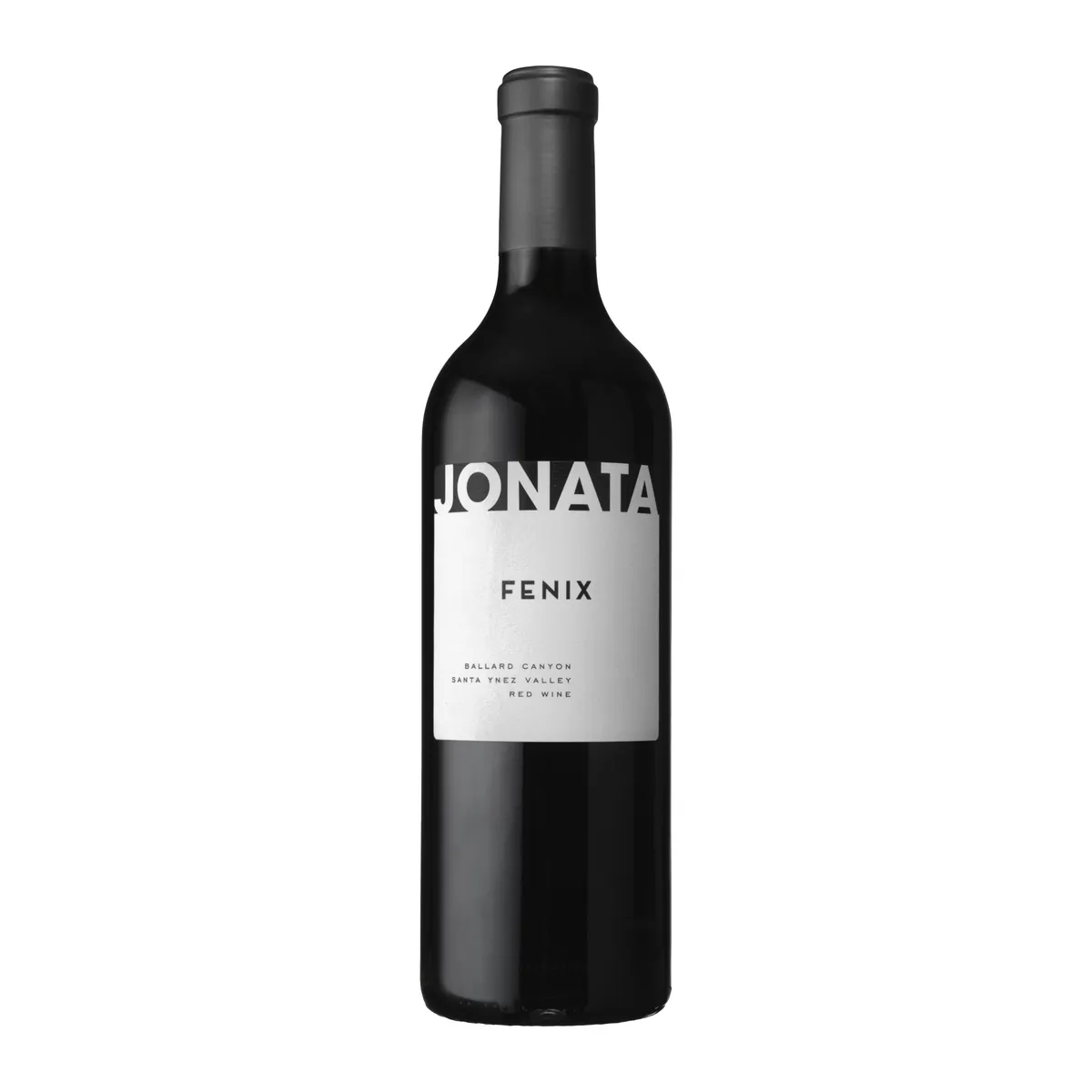 Jonata Fenix Merlot750 ML$90.00Add to cart
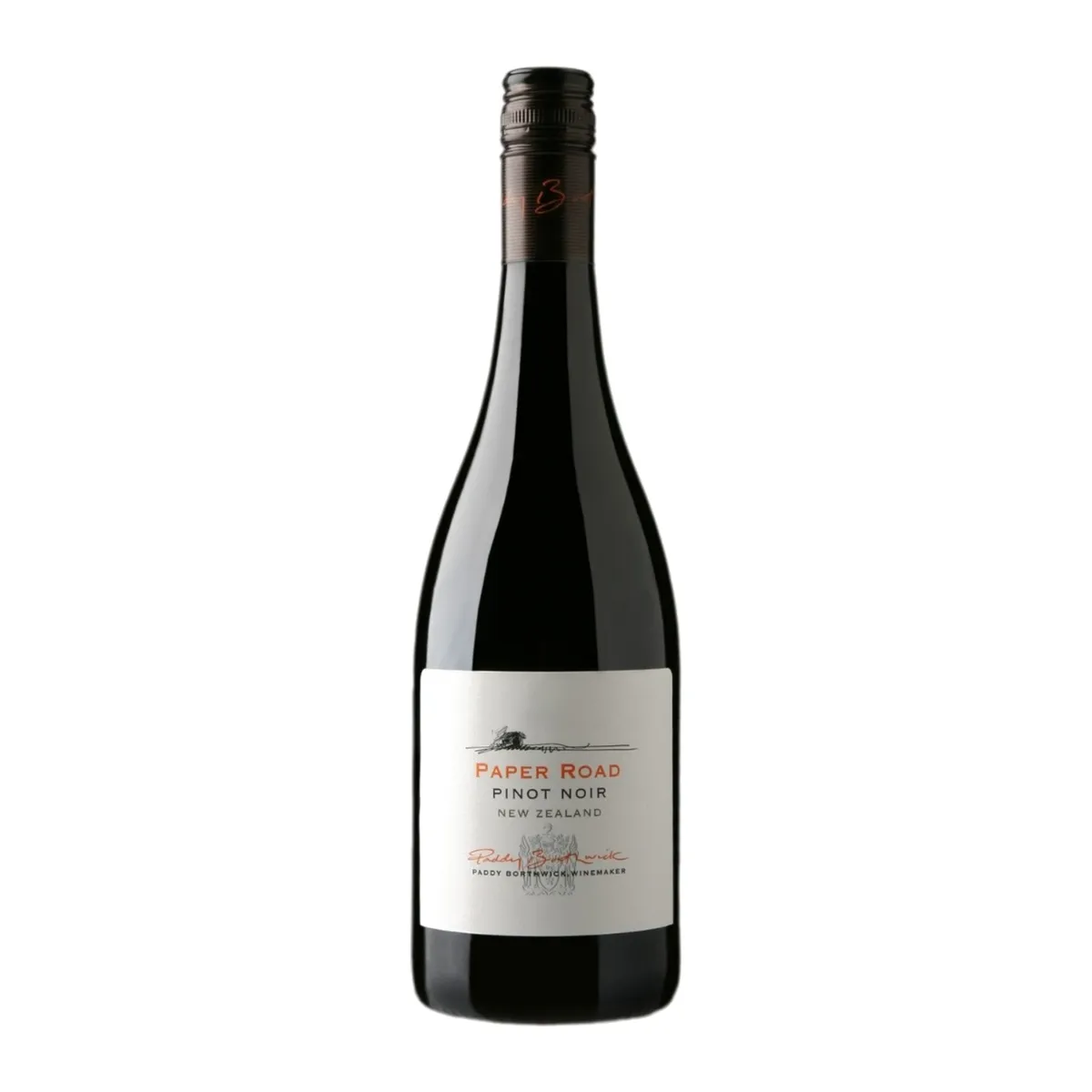 Paper Road Pinot Noir750 ML$19.99Add to cart
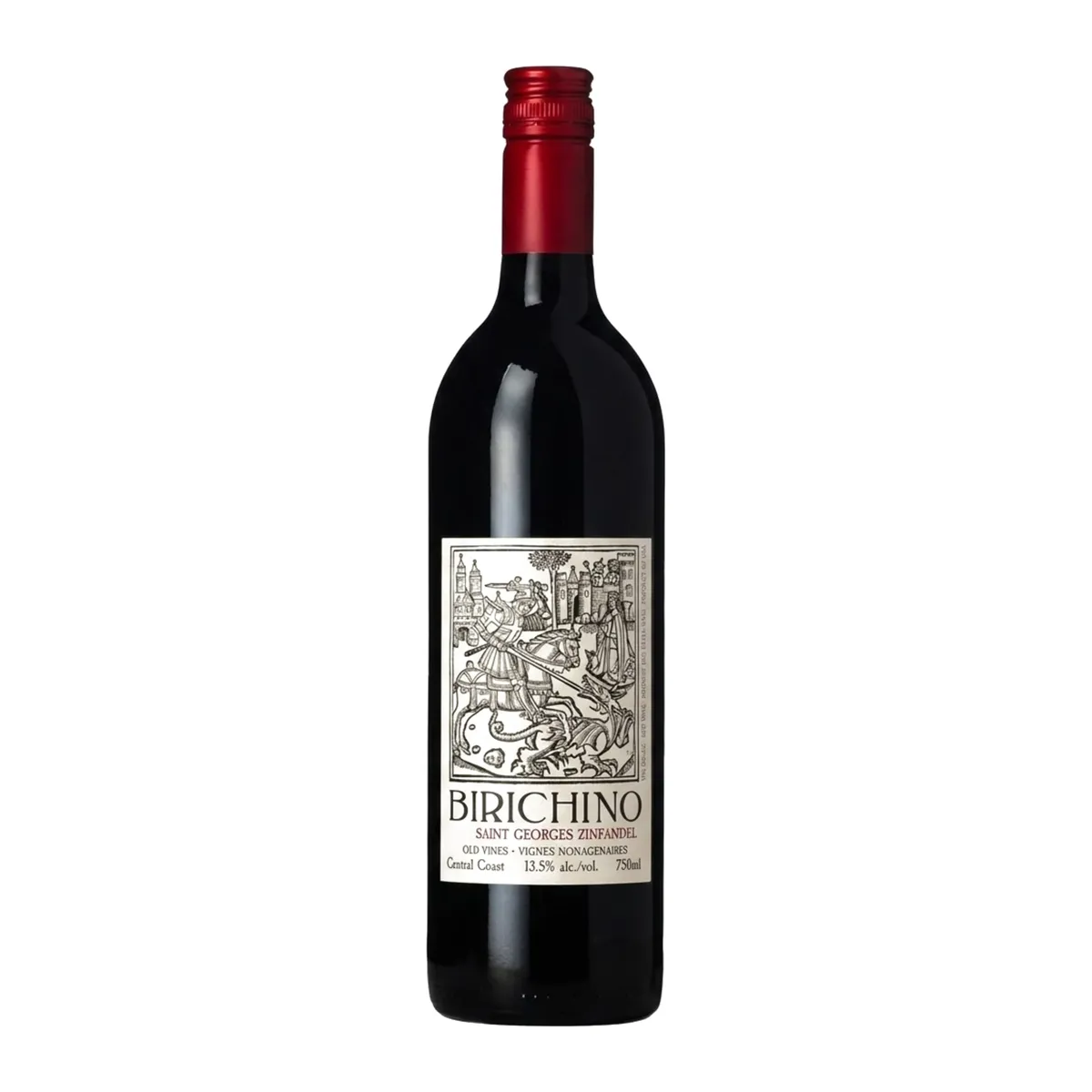 Birichino Zinfandel750 ML$29.99Add to cart
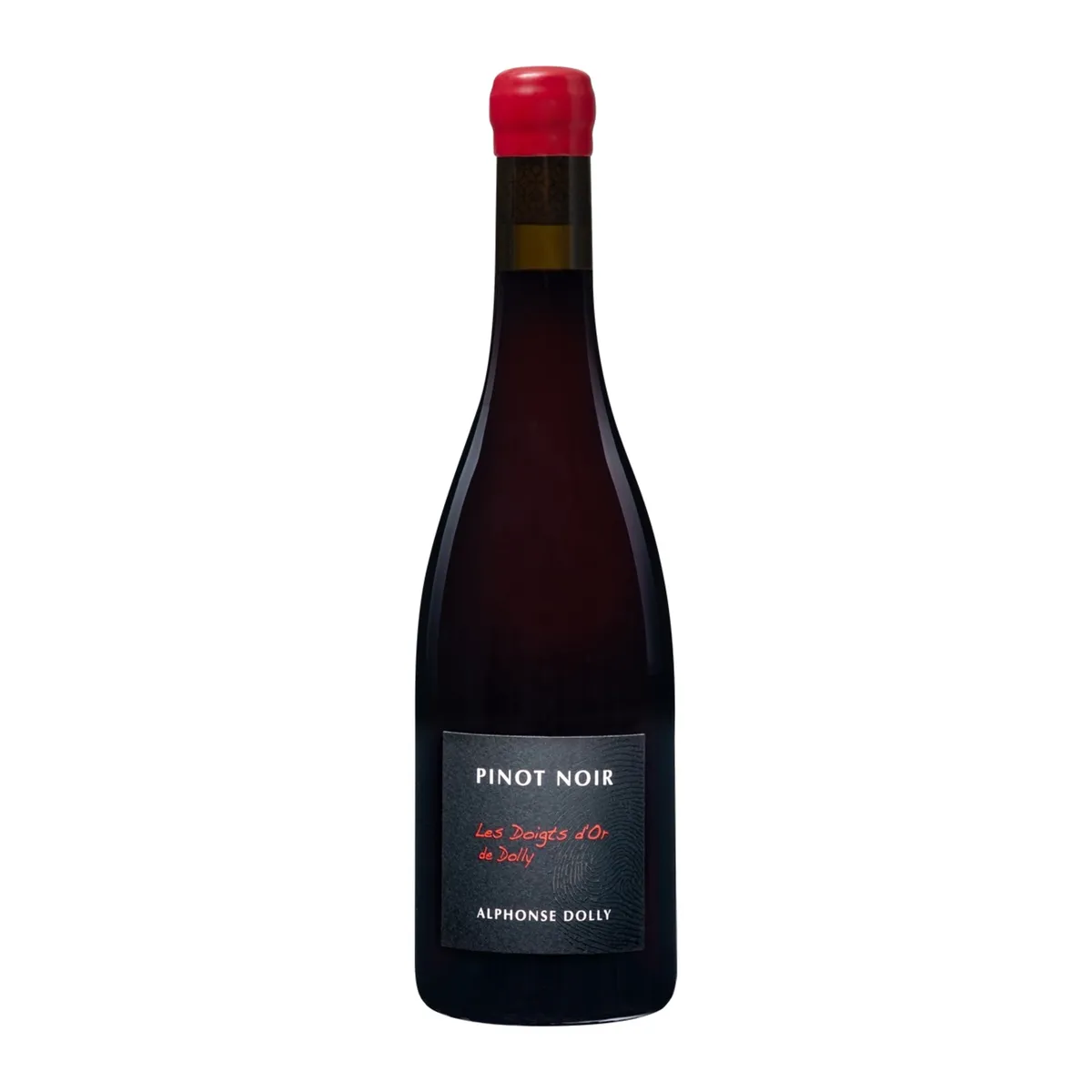 Alphonse Dolly Pibot Noir750 ML$21.99Add to cart
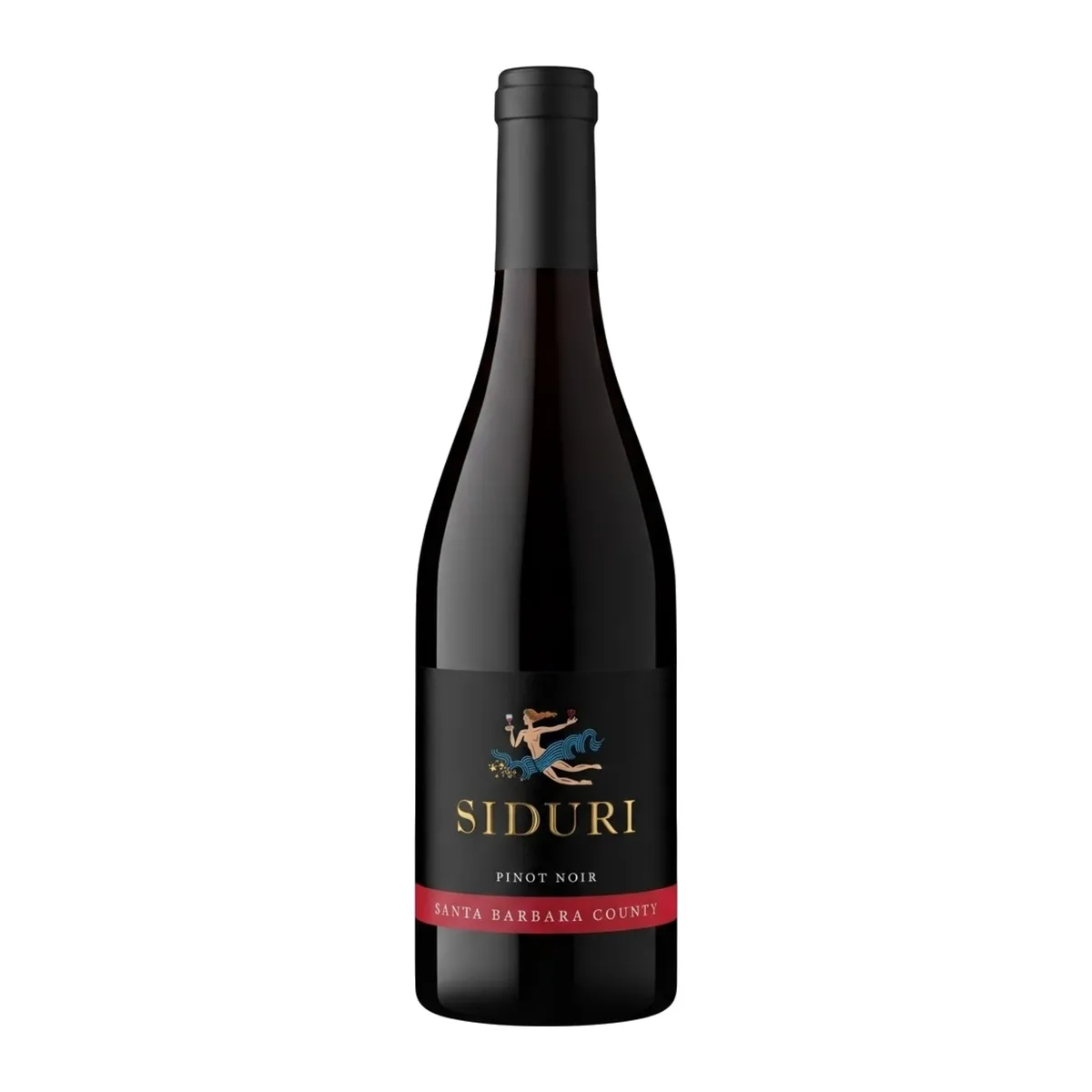 Siduri Santa Ra Pinot Noir750 ML$29.99Add to cart
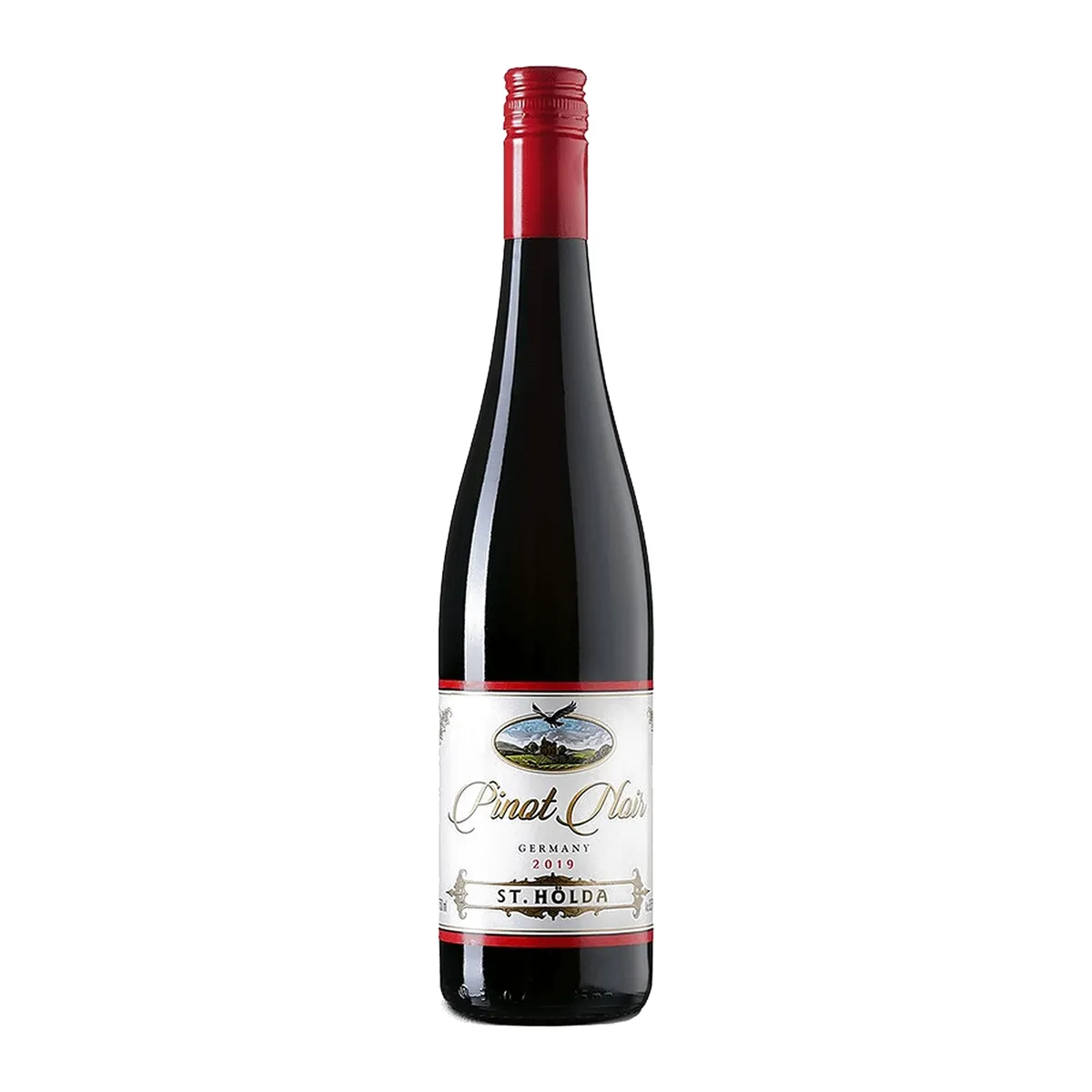 St. Holda Pinot Noir750 ML$12.99Add to cart
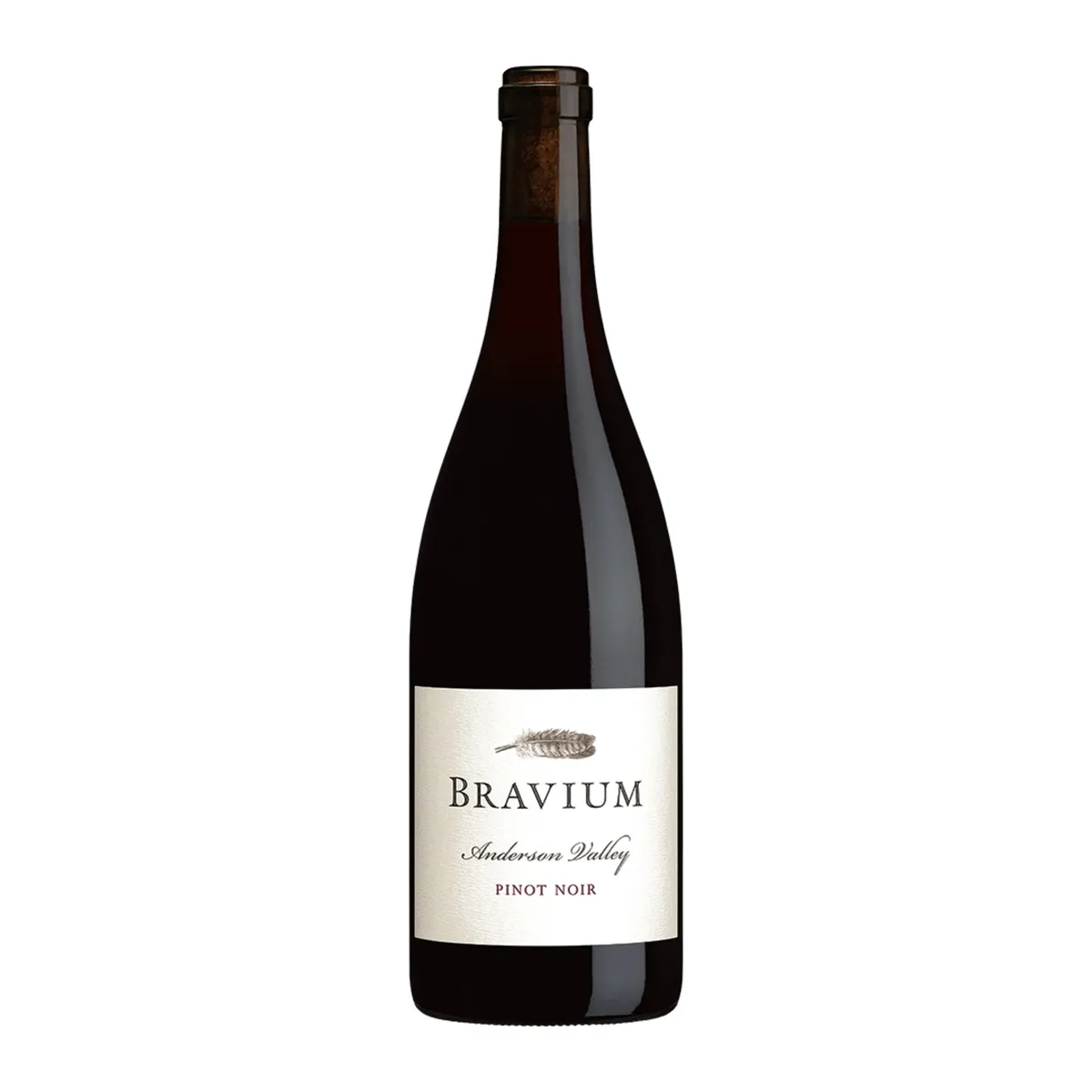 Barvium Pinot Noir750 ML$29.99Add to cart
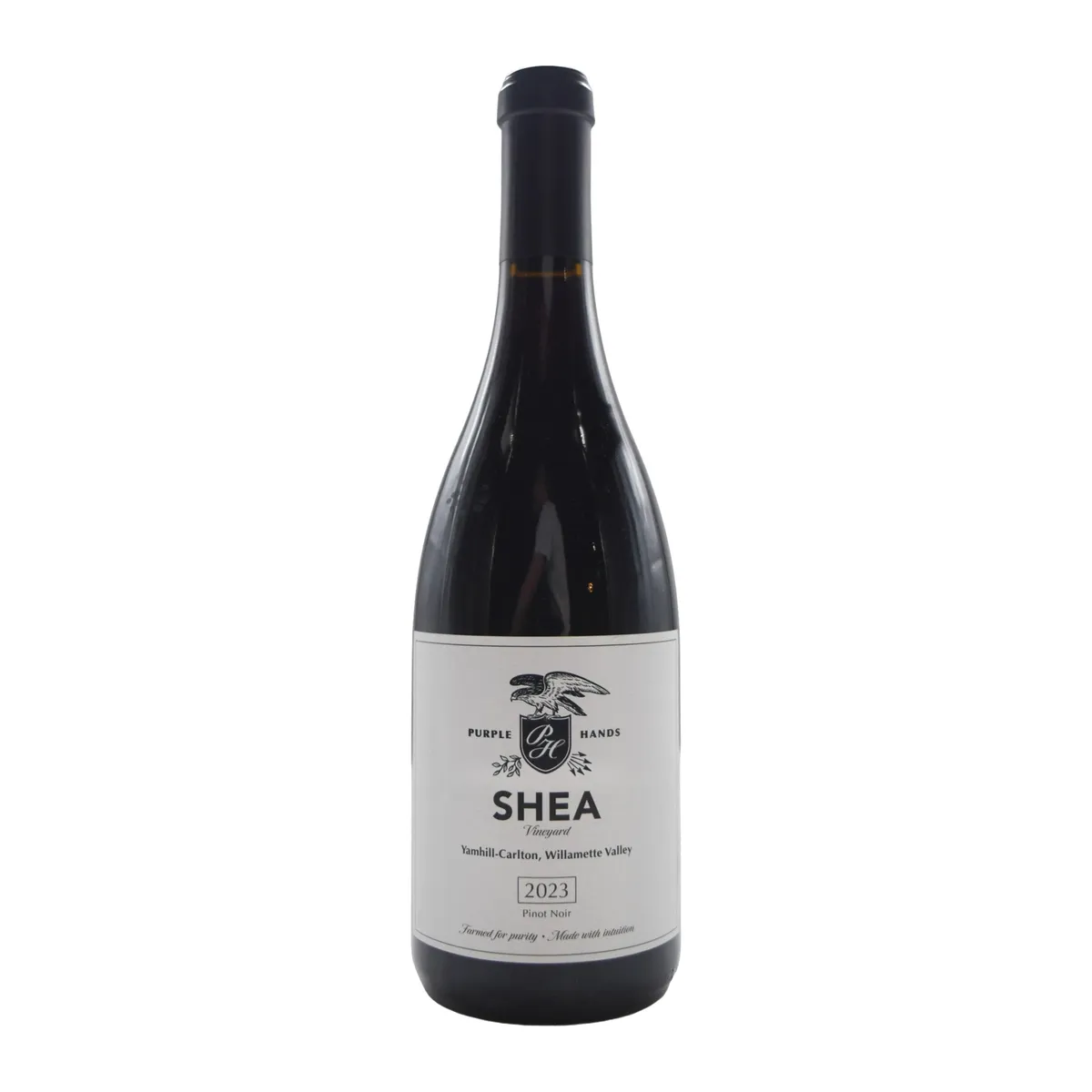 Purple Hand Shea Vine750 ML$69.99Add to cart
 UnderwoodPinot Noir355 ML$7.99Add to cart
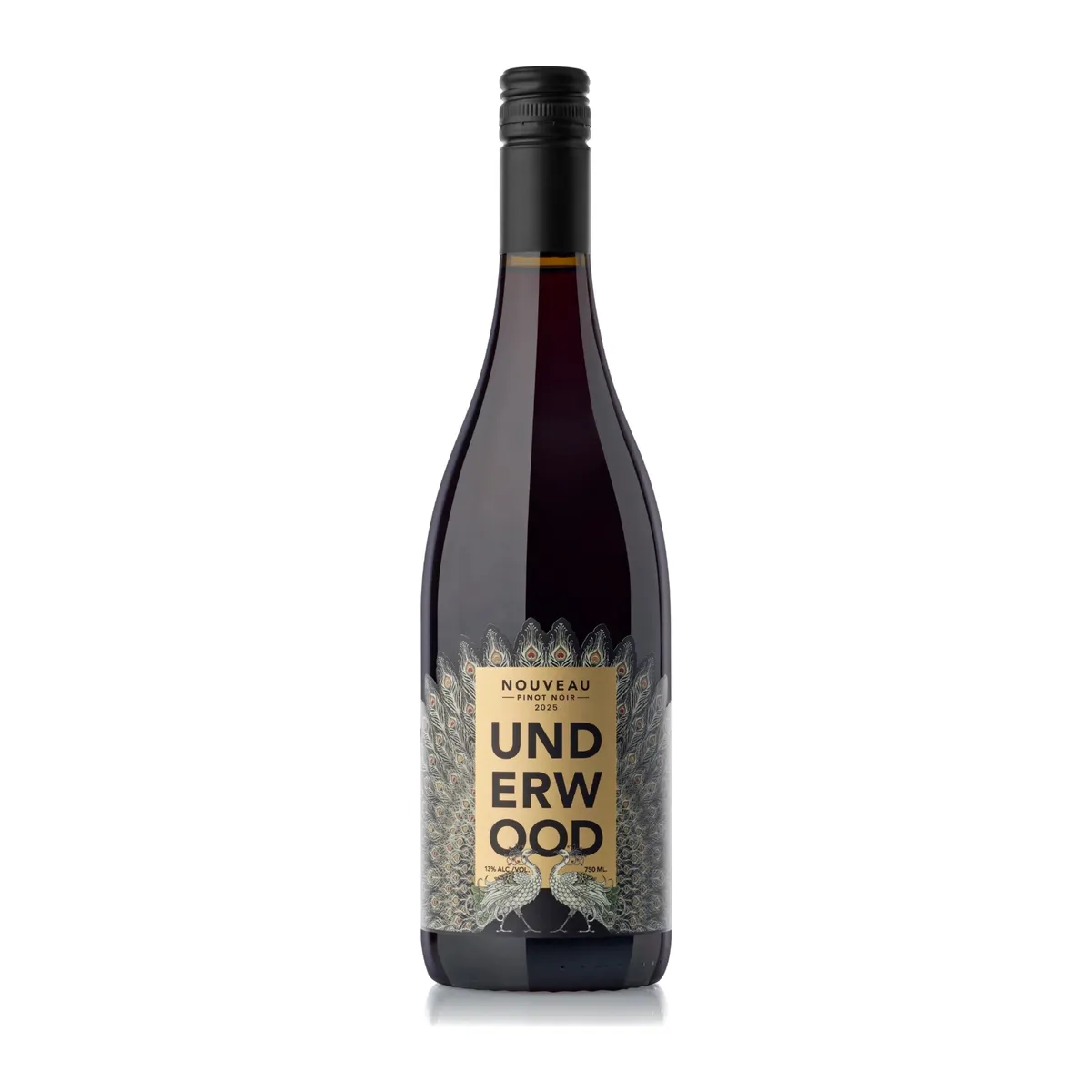 UnderwoodNouveau750 ML$16.99Add to cart
Pinot noir grapes are thin-skinned black grapes that grow best in cool climates and make light to medium-bodied red wine with red-fruit flavors and soft tannins. We are The Wild Duck, a liquor store at 86 Massachusetts Ave in Boston, and this guide covers the grape, where it grows and how to choose a bottle from our shelves.
What are pinot noir grapes?
Pinot noir grapes are small, tightly clustered black grapes with thin skins. The name is often said to come from the French words for pine and black, because the bunches are shaped like a small pine cone and the berries are dark.
The thin skin matters because it carries less color and less tannin than the skin of a grape such as cabernet sauvignon. That is why pinot noir is usually paler in the glass than other reds and feels lighter on the palate. You can often see through a glass of it in a way you cannot with a deep, inky red.
The grape is also known as a difficult one to grow. It ripens early, it is sensitive to weather and it shows the place it is planted in very clearly. Growers and winemakers often point to this when they explain why two bottles of pinot noir from different regions can taste so different from each other.
As a grape variety, pinot noir is used for more than still red wine. It is also a main grape in many sparkling wines and in some rosé, which is why you may meet it under labels that never mention it.
Where are pinot noir grapes grown?
Pinot noir grapes are grown in cool regions around the world, and Burgundy in France is the original home of the grape. Red Burgundy is made from pinot noir, and many wine lovers treat it as the reference point for the style.
Outside France, the grape is widely planted in Oregon, especially the Willamette Valley, and in cooler parts of California such as the Sonoma coast and Santa Barbara County. New Zealand, particularly Central Otago, is another well-known source. In Germany the same grape is called spätburgunder, and in Italy it is called pinot nero.
If you want to start with the French style, you can browse our French Red wines. For the wider shelf, our Red Wine page is the place to look.
How do climate, soil and the vineyard change pinot noir?
Climate has the largest effect on pinot noir, because the grape ripens early and loses its freshness quickly in heat. Cooler growing seasons tend to keep the acidity bright and the fruit flavors in the red-berry range, while warmer sites tend to give riper, fuller wines.
Soil and the position of the vineyard add to this. Vines on slopes, in stony ground or near the coast grow differently from vines on a warm valley floor, and pinot noir tends to show those differences in the glass more than many other grapes do. This is the reason wine writers talk so often about the place a bottle comes from.
The vintage matters for the same reason. A warm year and a cool year from the same vineyard can give two quite different wines, so it is worth noticing the year on the label as well as the region.
What does pinot noir taste like?
Pinot noir generally tastes of red fruit, such as cherry, cranberry and raspberry, with a fresh, lively acidity and gentle tannins. It is usually light to medium in body, which makes it a flexible red to put on the table.
As the wine ages or when it comes from certain regions, flavors can move toward earthy notes, such as mushroom, forest floor and dried leaves. Wines from warmer sites often lean toward darker fruit, such as black cherry and plum.
Oak can add notes of spice, vanilla or toast, depending on how the winemaker used it. Some bottles are made with little new oak and taste more directly of fruit, and others show more of the barrel. The label or description will often give you a hint.
These are general traits of the grape rather than a promise about any one bottle. Two producers working with the same grape in the same region can still make wines that taste quite different.
What should you look for when buying pinot noir?
Start with the region on the label, because it tells you more about the style than almost anything else. A bottle from Burgundy, Oregon, California or New Zealand will each lean in a different direction, and knowing which you prefer makes every later purchase simpler.
Next, look at the vintage and the producer. Pinot noir is sensitive to the growing season, so the year can change the wine. If you find a producer you like, it is usually worth trying their other bottles.
Then think about when you plan to drink it. A fresher, fruit-forward bottle suits a weeknight dinner, while a more structured bottle from a well-regarded region can suit a larger meal.
We carry more than 4,500 products across wine, liquor, beer and more, so you have room to compare. If you are not sure, ask us when you visit at 86 Massachusetts Ave. We can talk through the bottles on our shelves and help you find one that matches the meal and the occasion.
Which pinot noir bottles does The Wild Duck carry?
Our Pinot Noir page is the place to see the pinot noir bottles we carry, and the page shows our own best sellers there first. A few of the names you will find there are Paper Road Pinot Noir, Siduri Santa Ra Pinot Noir, St. Holda Pinot Noir and Alphonse Dolly Pibot Noir.
Use the region, vintage and producer advice above when you compare them. Each product page gives you the bottle's own details, and you can check them against what you like before you decide.
If pinot noir leads you to other reds, our Merlot and Zinfandel pages sit nearby, and you can also look at Jonata Fenix Merlot and Birichino Zinfandel.
If the grape in sparkling form interests you, see our Sparkling Wine page, or our guide to choosing and serving Champagne. For a pink wine, there is a Rosé page.
What food goes with pinot noir?
Pinot noir goes with a wide range of food because it is light enough not to overpower a dish and has enough acidity to cut through richness. Roast chicken, duck, salmon, pork and mushroom dishes are the classic matches.
The earthy side of the wine suits mushrooms, lentils and roasted root vegetables. The acidity suits fattier dishes, such as duck or a rich cheese board. Softer cheeses and charcuterie also work well.
If you are planning a holiday meal, pinot noir is a common choice for the table because it fits both turkey and the side dishes. Our Thanksgiving wine and cider page has more ideas for that meal.
For a cold evening, you might prefer something fuller. Our winter warmers page covers bourbon and red wine for those nights.
How should you serve and store pinot noir?
Serve pinot noir slightly cooler than room temperature, usually somewhere between 55 and 60 degrees Fahrenheit. Many people serve red wine too warm, and a light red like pinot noir tastes fresher after about 15 to 20 minutes in the refrigerator before serving.
A wine glass with a wide bowl lets the aromas open up. You do not need to decant most bottles, though an older bottle may benefit from standing upright for a while so any sediment settles.
Store unopened bottles on their side in a cool, dark place away from heat and light. Once opened, recork the bottle and keep it in the refrigerator, and plan to finish it within a few days, because a delicate wine like this changes quickly once it meets air.
Please drink responsibly.
How can you get pinot noir from The Wild Duck?
You can get pinot noir from The Wild Duck by visiting us in Boston, or by using our pickup, delivery or shipping options. Our shop is open Monday to Saturday from 10:00 AM to 11:00 PM and on Sunday from 11:00 AM to 11:00 PM.
For pickup, our hours run Monday to Saturday from 9:00 AM to 11:00 PM and Sunday from 10:00 AM to 11:00 PM. You can read how it works on our in-store pickup page.
Delivery hours run Monday to Saturday from 9:30 AM to 10:30 PM and Sunday from 10:30 AM to 10:30 PM. We serve Boston, Cambridge and Brookline, and each has its own page: Boston, Cambridge and Brookline. Our wine delivery in Boston page is another place to start.
Our customers rate us above 4.5 out of 5 on Google, from more than 60 reviews.
Common questions
What are pinot noir grapes?
Pinot noir grapes are thin-skinned black grapes that ripen early and grow best in cool climates. They make light to medium-bodied red wine with red-fruit flavors and soft tannins.
Where do pinot noir grapes come from?
Burgundy in France is the original home of the grape. It is also widely planted in Oregon, cooler parts of California, New Zealand, Germany, where it is called spätburgunder, and Italy, where it is called pinot nero.
Is pinot noir a dry red wine?
Pinot noir is most often made as a dry red wine, light to medium in body, with fresh acidity and gentle tannins. Style still varies by producer and region.
What temperature should pinot noir be served at?
Serve it slightly cooler than room temperature, usually between 55 and 60 degrees Fahrenheit. About 15 to 20 minutes in the refrigerator before serving helps.
What food pairs with pinot noir?
Roast chicken, duck, salmon, pork, mushroom dishes, soft cheeses and charcuterie are the classic matches.
Does The Wild Duck offer pickup and delivery?
We offer pickup, delivery and shipping, as well as walking in to our shop at 86 Massachusetts Ave in Boston.